
In a significant shift from its earlier stance, the Supreme Court has, today, revised its controversial injunction about stray dogs on August 11. The initial order, which had directed adherence to removing every stray dog from Delhi-NCR to shelter homes within eight weeks, had received a lot of criticism from animal activists.
A throng of critics wildly rebuked the decision, prompting the three-judge bench to reconsider. The new directive offers a balanced view that seeks to hold safety in one hand and cruelty against nature in the other.
Sticking to the Points
The new order does not order the authentication of stray dogs; rather, it mandates the sterilization of the dogs that can then be set free by NGOs back to their home/territory in case they do not exhibit signs of being rabid or aggressive.
ALSO READ: SC Redefines Stray Dog Policy: From Shelters to Sterilisation and Safe Feeding Zones
This change in court attitude signals crossing off any idea of mass relocations as both unnatural and impracticable. The concentration of the entire exercise is on sterilization, thereby boosting a long-term, scientific mechanism to control the stray population, rather than rounding them up.
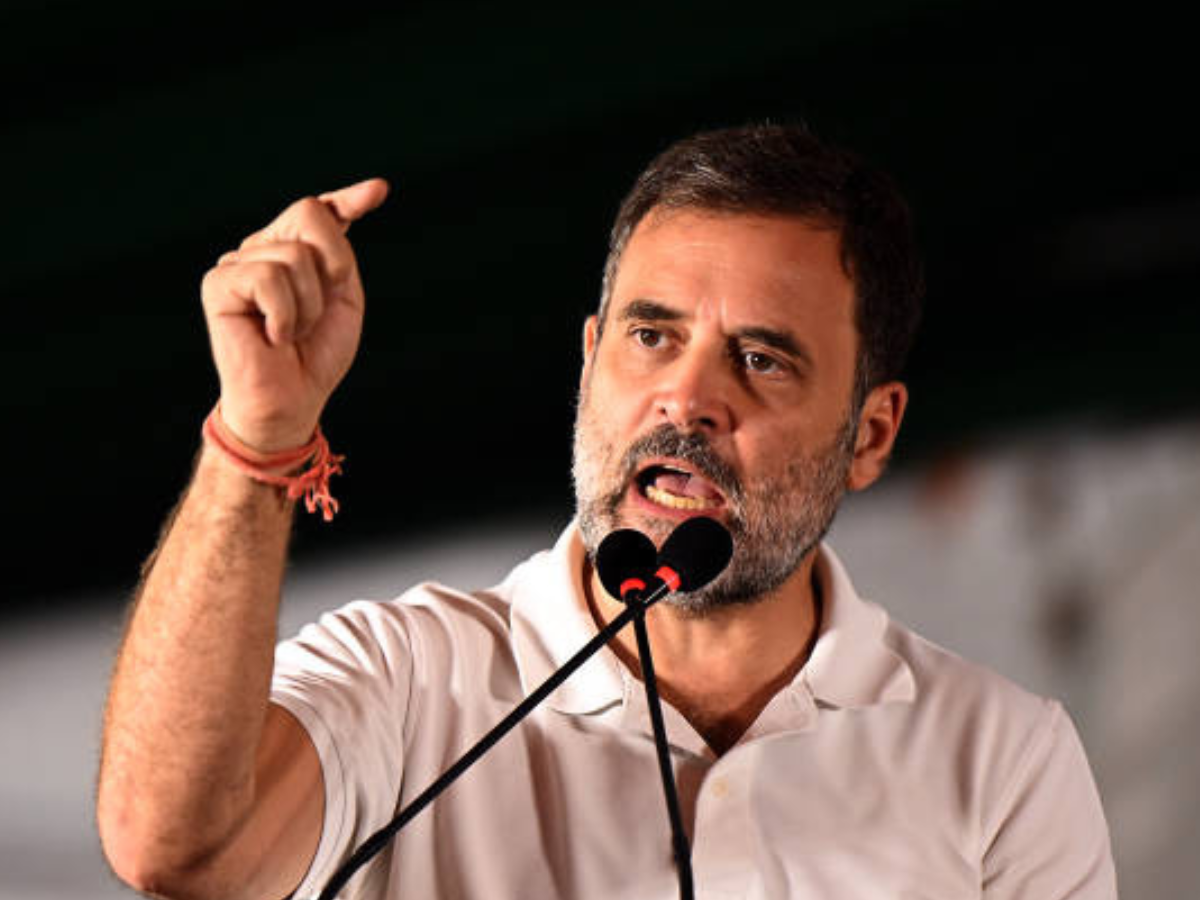
Rahul Gandhi’s Reaction
Welcoming the court’s alternate ruling was Rahul Gandhi who primarily used his social media account as a platform to approve the treatment.
“This is a progressive step toward balancing animal welfare and public safety,” the Congress leader wrote, appreciating the compassion and rationality of the judgment. His word on the case has a greater political overtone, where the issue of stray animal relief converges with larger social and civic concerns.
ALSO READ: Stray Dogs in Delhi-NCR: What We Know So Far About the Supreme Court’s Removal Order
Strife on Street Feeding of the Stray Animals
The decision came with advisers whose relief for people also announced restrictions. The court banned street feeding, holding that any person or group creating hindrance in the way of public representatives for implementing the order shall be held in contempt, or may attract fine and payment of legal costs and the advocate shall be liable to pay an amount of ₹25,000 as costs. Indeed, this is a very humanitarian way of ensuring that empathy does not bend to public order or public safety.
In a nutshell, the Supreme Court’s discernment seems like the go-ahead with the urban tale of the ying and yang they are trying to juxtapose animal rights and daily civility. For years, management of stray animals-innocent as they may often turn out to be across Indian cities has been a mix of emotional and haphazard. The modified order listens to the call of concern on both ends, thereby demanding practical solutions rather than mere reaction.
Rahul Gandhi’s endorsement of the court’s nuanced stance implicitly argues for a broader political and ethical reckoning: governance that values life will balance compassion and pragmatism. The new judgment, whilst far from perfect as its implementation remains vaguely expressed still holds growth as a mediator toward realizing the simple truth that compassion and public safety have never been antithetical; through good governance and policy, they may coexist.
ALSO READ: Supreme Court Deems Delhi Stray Dog Crisis, ‘Put Them in Shelters, Keep Capital Safe’