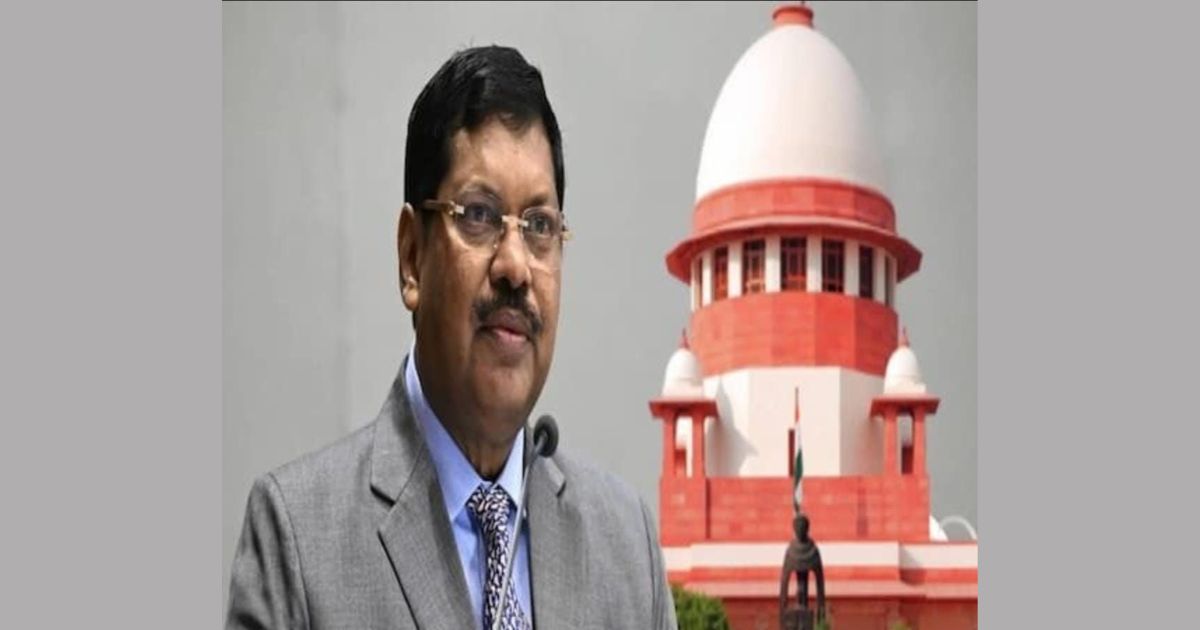
The Supreme Court on Tuesday issued notices to the Centre and all states after President Droupadi Murmu referred a set of 14 constitutional questions to the apex court under Article 143(1). The reference comes in light of the court’s April 8 verdict that set timelines for governors and the President to act on Bills passed by state assemblies.
A five-judge Constitution Bench headed by Chief Justice of India D Y Chandrachud, along with Justices Surya Kant, Vikram Nath, P. S. Narasimha, and A. S. Chandurkar, took up the matter and announced that a hearing schedule will be finalized by mid-August.
CJI Indicates Mid-August Hearing
“We tentatively propose to start the hearing in mid-August,” said CJI Gavai, while also acknowledging that some states—particularly Kerala and Tamil Nadu—intend to challenge the maintainability of the Presidential reference. The CJI, however, asked the parties to reserve those arguments for the main hearing.
The reference seeks clarity on whether the President’s and Governor’s discretion—specifically under Articles 200 and 201—is justiciable, especially in the absence of constitutionally defined timelines. The move follows the Supreme Court’s April 8 ruling that imposed a three-month deadline for the President to decide on Bills referred by Governors.
The ruling also struck down Tamil Nadu Governor R. N. Ravi’s November 2023 decision to withhold assent to 10 Bills after they had been re-passed by the state assembly, calling it “illegal and erroneous.”
Key Questions Before the Court
Among the 14 constitutional queries posed by President Murmu are
- Is the exercise of discretion by the President or Governors justiciable?
- Can courts impose timelines for decisions where none are specified in the Constitution?
- Does Article 361 bar judicial scrutiny of a Governor’s actions under Article 200?
- Can the Supreme Court substitute or prescribe procedures under Article 142 in such matters?
President Murmu’s reference further raises concerns about the practice of “deemed assent,” stating that such a concept is “alien to the constitutional scheme.”
Reference Anchored in Federal Concerns
The President underlined that multiple state governments have approached the Supreme Court under Article 32 instead of Article 131—raising federal issues through individual petitions. She emphasized the need for a more thorough explanation of the constitutional scope of Articles 142 and 201, particularly when it comes to issues of separation of powers, national integrity, and uniformity of laws.
The reference signals a potential landmark interpretation of how the country’s highest constitutional offices should function within the framework of federal democracy, particularly amid increasing political friction between state governments and Raj Bhavans.