
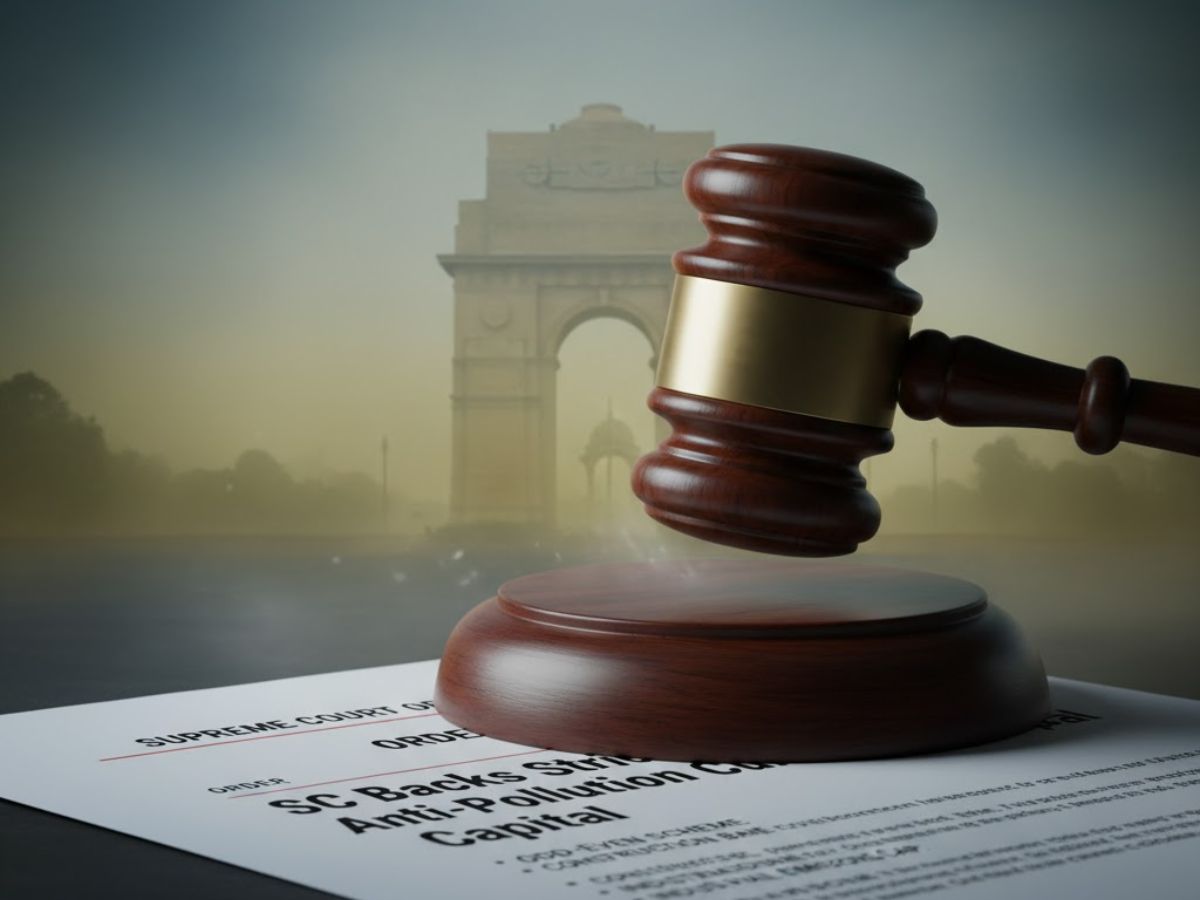
The Supreme Court has given its approval for a major overhaul of Delhi-NCR’s anti-pollution plan, allowing stricter measures to be imposed at lower levels of air pollution. The court emphasized that proactive action is crucial, stating, “We are of the view that any proactive action in reducing air pollution would always be welcome.” This decision signals a significant shift in the region’s strategy to combat its annual winter air quality crisis.
What Are the Key Changes to the GRAP Plan?
The CAQM’s revamped GRAP adopts a more proactive approach, activating tougher controls sooner. Several interventions have been moved to lower AQI brackets: actions meant for ‘Severe+’ conditions (above 450) will now be applied in the ‘Severe’ range (401–450). In the same way, Stage 3 curbs move to Stage 2, and Stage 2 measures will now begin at Stage 1. This restructuring aims to tackle pollution before it reaches catastrophic levels.
Also Read: Prescription Delays as CVS Computer Systems Fail, Customers Urged to Call 911
How Will This Affect Offices and Daily Life?
The changes bring concrete alterations to life in the capital region during the polluted months. When GRAP Stage 3 is enforced, state governments will have to decide on allowing public, municipal, and private offices to function with only 50% staff working on-site. The central government will also consider similar measures for its offices. Furthermore, the proposal to introduce staggered office timings will now be activated in GRAP Stage 2, instead of Stage 3. These steps are designed to reduce vehicular traffic and overall activity that contributes to pollution.
What Did the Court Say About Children’s Health?
The bench adopted a firm position on safeguarding children’s health, noting a submission that likened conducting sports in the present air quality to placing children in a “gas chamber.” It has formally asked the CAQM to direct schools to postpone all open-air sports events planned for November and December to safer months. The move is intended to protect vulnerable students from intense exposure to toxic air during strenuous activity.
What is the Long-Term Strategy Mandated by the Court?
The Supreme Court stressed that pollution cannot be treated as a seasonal issue. It ordered monthly hearings of the main case to ensure constant oversight. The bench said action only during peak pollution is not enough and that year-round monitoring is needed. The goal is to push authorities toward long-term, lasting solutions rather than short, temporary fixes.
Also Read: Legal Setback for Trump as Judge Signals Doubt Over Comey Case, Highlights Procedural Flaws
What About Other Critical Issues?
The court also addressed the plight of construction workers affected by pollution-related bans. It directed all NCR state governments to pay subsistence allowances to these workers for the period they are out of work due to GRAP restrictions. The bench expressed concern that laborers dependent on banned activities cannot be deprived of their livelihood, ensuring that the human cost of pollution control is also mitigated.