
India’s work culture may witness a major shift as a new bill seeks to give employees the legal right to disconnect from work after office hours. The proposal aims to help workers reclaim personal time by protecting them from late-night emails, urgent calls, and constant digital pressure.
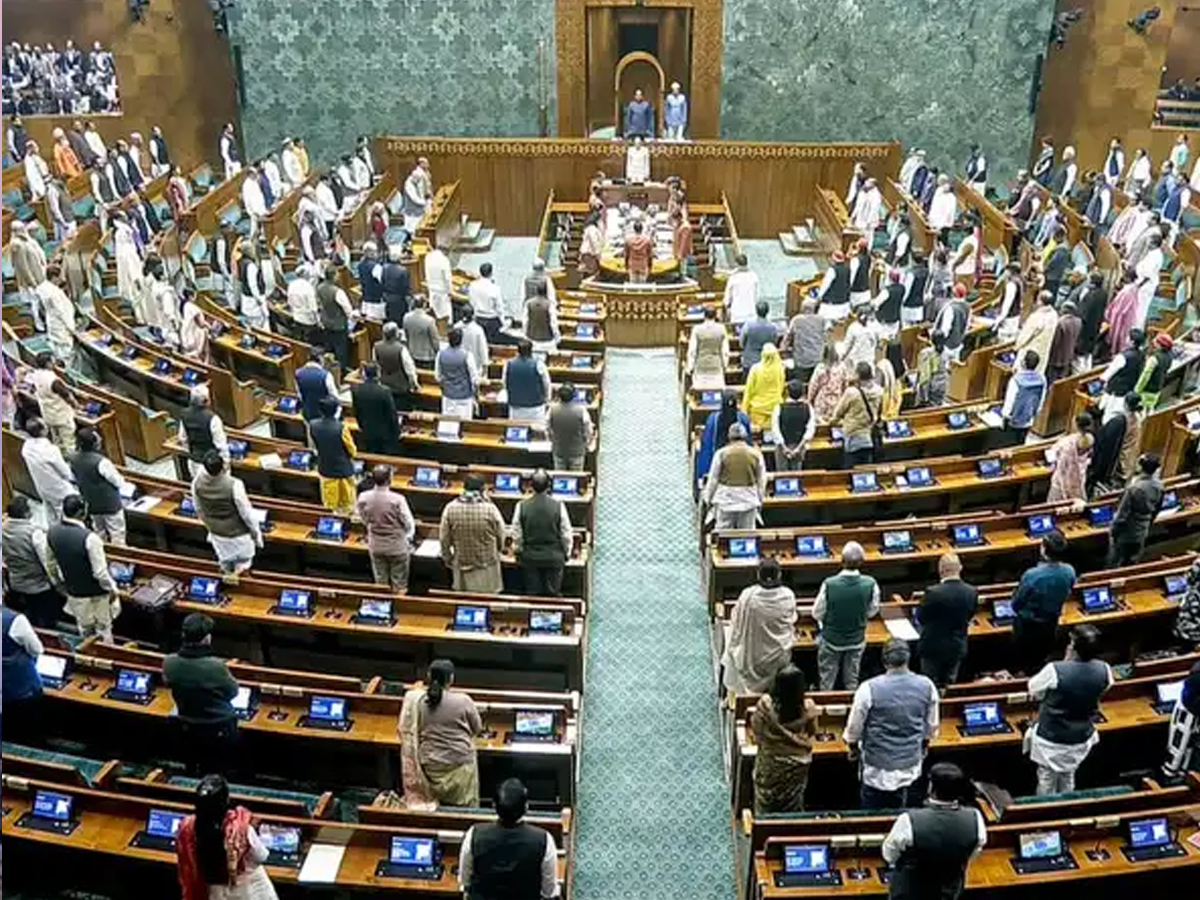
The Right to Disconnect Bill, 2025, introduced in the Lok Sabha by Supriya Sule, pushes for clear boundaries between work and personal hours. It also seeks the creation of an authority that will ensure employers respect these limits.
What Does the Right to Disconnect Bill Propose?
The bill outlines several measures to reduce after-hours work stress:
- Employees would have the right to ignore work-related calls, emails, or messages beyond office hours or on holidays.
- Employers who violate this right could face penalties.
- An Employees’ Welfare Authority would handle disputes, set guidelines, and promote digital well-being.
- Counselling support would help workers deal with burnout and constant connectivity.
According to Sule, the initiative “fosters a better quality of life and a healthier work-life balance by reducing the burnout caused by today’s digital culture.”
Why This Bill Matters Now
Employees in India often struggle with long working hours and the expectation of being available at all times. With remote work becoming common, boundaries between personal time and professional responsibilities have blurred even further.
The bill attempts to fix this by enabling workers to disconnect without fear of punishment. It highlights rising cases of stress, sleep issues, and burnout caused by “tele-pressure” — the pressure to respond instantly to digital communication.
If passed, the bill could benefit corporate workers, freelancers, gig-workers, and anyone whose job extends beyond standard hours.
Other Employee Welfare Bills Introduced
Supriya Sule also tabled two additional private member bills:
- Paternity and Paternal Benefits Bill, 2025 — provides paid paternal leave to help fathers participate in early child care.
- Code on Social Security (Amendment) Bill, 2025 — recognises gig workers as a distinct category and ensures fair wages, regulated hours, and better social security.
On the same day, Shashi Tharoor introduced another private member’s bill aimed at reducing burnout by limiting excessive work hours and supporting mental health. He said, “With 51% of India’s workforce clocking over 49 hrs/week and 78% experiencing burnout… it is clear that overwork is harming our professionals’ physical and mental health.”
Will the Right to Disconnect Bill Pass?
Because it is a private member’s bill, its chances of becoming law remain uncertain. Such bills rarely get passed unless the government actively supports them. However, the proposal has triggered an important national conversation about the urgent need to redefine workplace expectations.
Even if the bill does not become law immediately, it has already started a broader debate. For millions who feel stretched, digitally drained, or pressured to stay online round the clock, the bill offers hope for a healthier, more balanced work culture.