
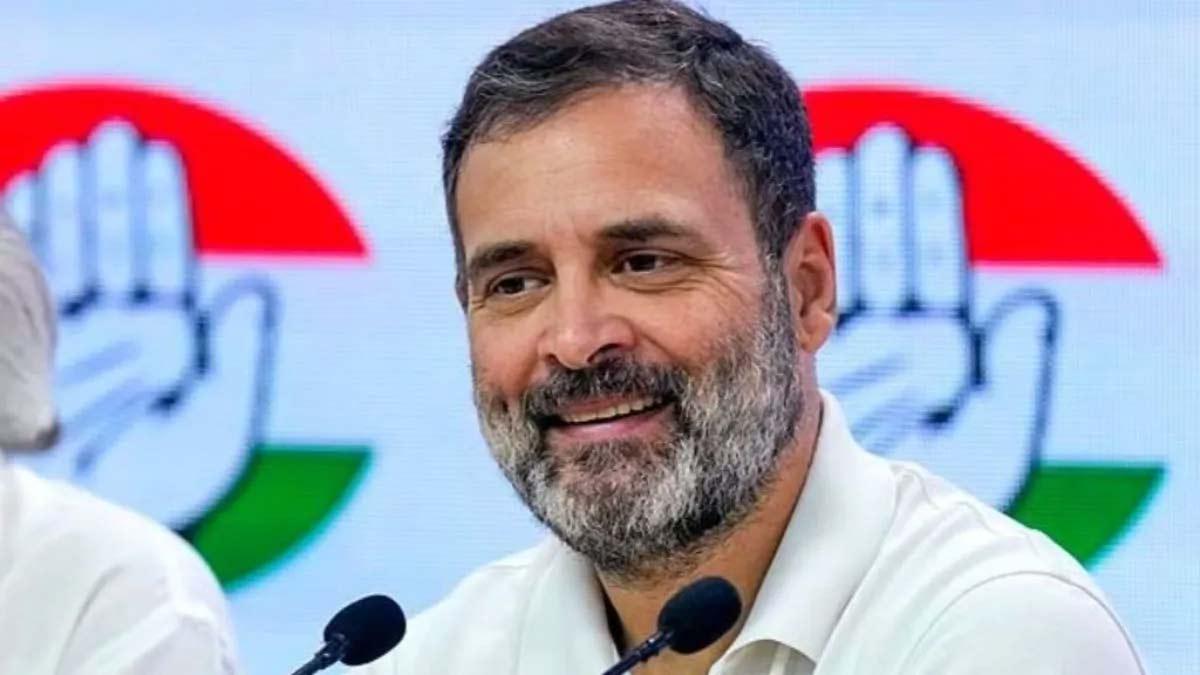
Concerned about the upcoming tariff agreement between the United States and India, Rahul Gandhi, the Leader of the Opposition in the Lok Sabha, stated on Wednesday that President Donald Trump will put pressure on Prime Minister Narendra Modi.
“What is he saying?” He will pressure (PM Modi) to reach a trade agreement. When questioned about Trump’s remarks regarding the truce and tariffs, the Congress MP responded, “You will see how this trade deal pans out.”
Rahul Gandhi’s Alarm on India–Us Tariff Deal
The Congress leader has rung a warning bell regarding the ongoing India–US trade negotiations, as Prime Minister Modi might give in to the pressures of the former president Trump. Gandhi very jadedly commented that Trump will push us to bring down India’s import duties on goods entering India from the US in exchange for tariff relieve on American products. It reflects the increasingly hearsays echoing across India’s political circles about conceding too much in the bilateral talks ahead of the August 1 deadline for reciprocal tariffs action.
Trade Negotiations at Crunch
Both sides have completed five rounds of negotiations to finalize a comprehensive trade framework by early autumn. The imposition of tariffs between 20-25 percent on Indian exports will be levied by the U.S in the absence of an agreement after the identified deadline, covering several sectors, including pharmaceuticals to textiles.
It has already left its marks on New Delhi in terms of what its exporters would potentially loss, as it largely keeps offer reserved from no piecemeal concessions, preferring to negotiate a broader package. India will not thus be railroaded by deadlines, which is usually the repeated insistence by Commerce Minister Piyush Goyal while prioritizing India’s strategic and economic interests.
Economic Stakes for India
A significant part of Indian exports over $129 billion worth in 2024 – would risk punitive tariffs, thus fueling fears of losing market share and consequent job cuts in major manufacturing centers. The way the rupee so far dipped toward Rs 87 per dollar hints at future negative outcomes as market anticipates something bad happening.
Meanwhile, the high value is set on gains for U.S. exporters toward getting preferential access to that economy if India cuts down duties specific to their dairy, agriculture, and industrial machinery sectors. There would be strong warnings by analysts that excessive concessions would endanger domestic producers but offer a temporary solution to the U.S. tariff threat.
Rahul Gandhi barbed comment symbolizes a dilemma that has been with New Delhi, looser balancing act between domestic industries and access to the biggest consumer market worldwide. During the ongoing Parliament’s monsoon session, the opposition parties demanded clarity on what compares to, how much is on the table, and what safeguards will protect vulnerable Indian firms from foreign competition.
While preparing trade envoys for a likely visit of a U.S. delegation in mid-August, the course of action should avoid results which are retaliation tariffs but preserve bargaining leverage. Here, India’s leadership would have to ultimately build resolve and pragmatism around one of the most significant trade negotiations for generations.