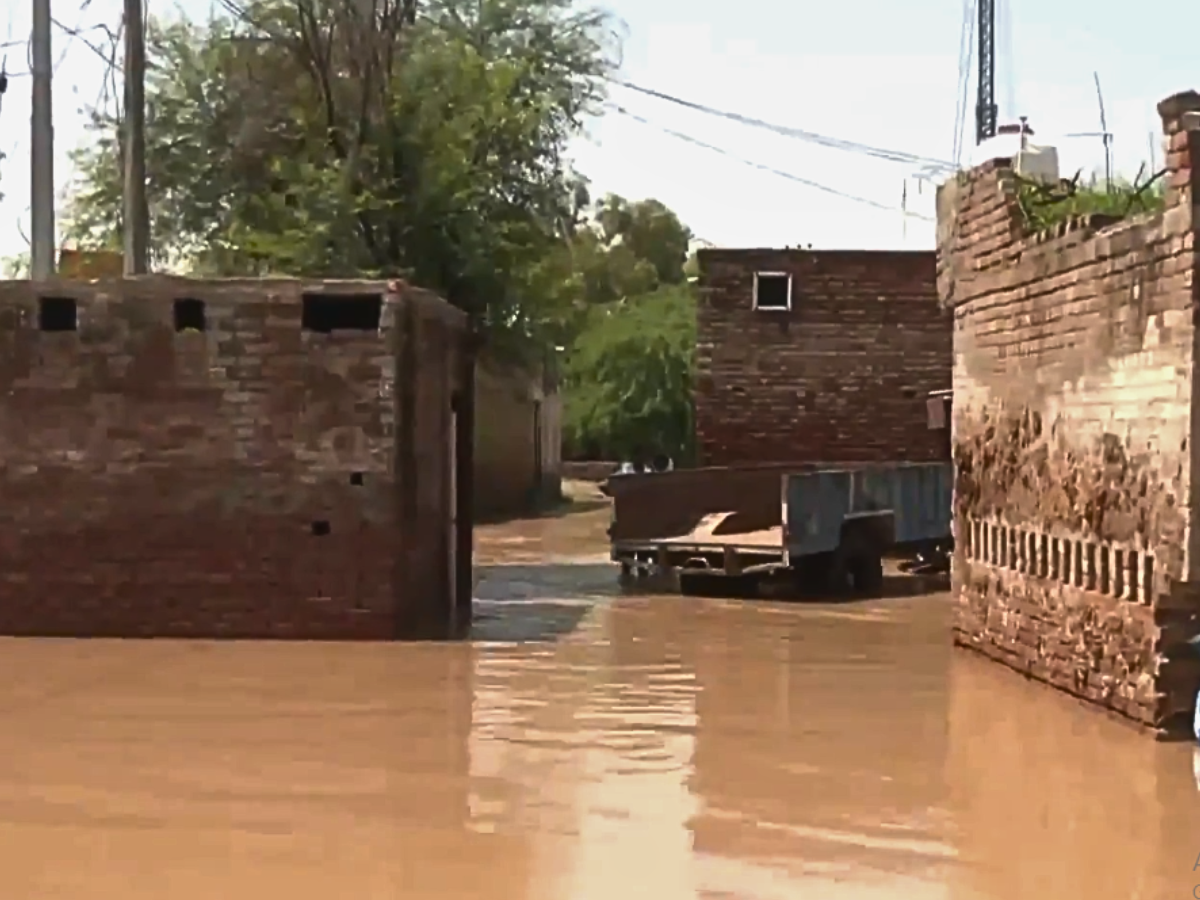
The state of Punjab has experienced large climatic fluctuations during the last few decades in the form of increased temperatures, changed precipitation patterns, and heightened weather extremes, leading to severe environmental and socio-economic impacts. The record-breaking rains of 2025 that shattered 25-year records illustrate how these climatic changes are appearing with greater intensity in the state.
ALSO READ | How to File ITR after Challan Payment? Check this step-by-step guide
Historical Climate Change in Punjab
The climate of Punjab has been semi-arid to sub-tropical in nature, with hot summers and a marked monsoon, historically. Yet research indicates a steady increase in mean temperatures for the last decades, with resultant enhanced heatwaves and changing season patterns. The increasing trend in warming has put pressure on water resources, particularly groundwater, which is a key supply source for the state’s economy based on agriculture.
In addition, climate variability has upset the amount and timing of rainfall, previously reasonably predictable with the southwest monsoon. Information on recent decades shows a combination of too much rain, droughts, and unexpected dry spells. Urbanization, deforestation, land-use changes, and more intensive agriculture increased climate vulnerability further by shaping local weather and runoff patterns.
Record Rainfall in 2025
2025 was a record climatic event with Punjab witnessing about 74% more than normal rainfall in August, the most in 25 years. Some of the districts like Gurdaspur, Pathankot, Tarn Taran, and Amritsar witnessed well above normal rainfall, some of them over 150% higher than normal. This filled the rivers and season rivulets to overflowing, leading to widespread rural and urban flooding.
ALSO READ | Bihar Elections: Opposition Uniting A Gamechanger with an ‘If’
Experts blame this record rainfall on unusual encounters between western disturbances—moisture-bearing winds from the Mediterranean—and east monsoon currents. Combined, they produced intense, sustained showers unusual in recent state history.
Impact and Challenges
Record rainfall of this magnitude impacted heavily on agriculture, with underwater fields ruining standing crops vital to the economy of Punjab. Roads, embankments, and drainage infrastructure were found wanting to cope with the deluge, which further enhanced flood damage. Flooding of towns brought urban activities to a standstill, indicatively pointing to inadequate stormwater management.
Greater frequency and severity of events directly affect livelihood, health, and food security, compelling immediate demands for adaptive practices in water management, agriculture, and city planning.
ALSO READ | Is the POTUS Caving? What does Trump’s Recent Soft Tone Mean..
Nutshell
Punjab’s past climate change, characterized by growing temperatures and altering patterns of rainfall, has been building up to the record rainfall episodes in 2025. It is a call to action to increase resilience by taking integrated climate action, sustainable development, and disaster preparedness to protect the state’s environment and economy from potential climatic shocks in the future.