West Bengal is still afflicted with deep-seated communal tensions and political instability even as preparations escalate towards the 2026 Assembly polls. Although mass-scale communal violence of the sort seen in the April 2025 Murshidabad riots has more or less been kept in check, outbreaks continue to flare up, reflecting the exposed law and order in the state.
Murshidabad violence and radicalisation
The April common disturbance, triggered by protests against the Waqf (Amendment) Act, resulted in several deaths, large-scale displacement, more than 270 arrests, and imposed temporary internet shutdowns on vulnerable districts such as Murshidabad and Malda. Governor C.V. Ananda Bose’s regular reports to the Union Home Ministry have showcased threats of radicalization and militancy, mounting pressure upon both the state government and the Centre to contain these woes effectively.
The SIR speculation in West Bengal
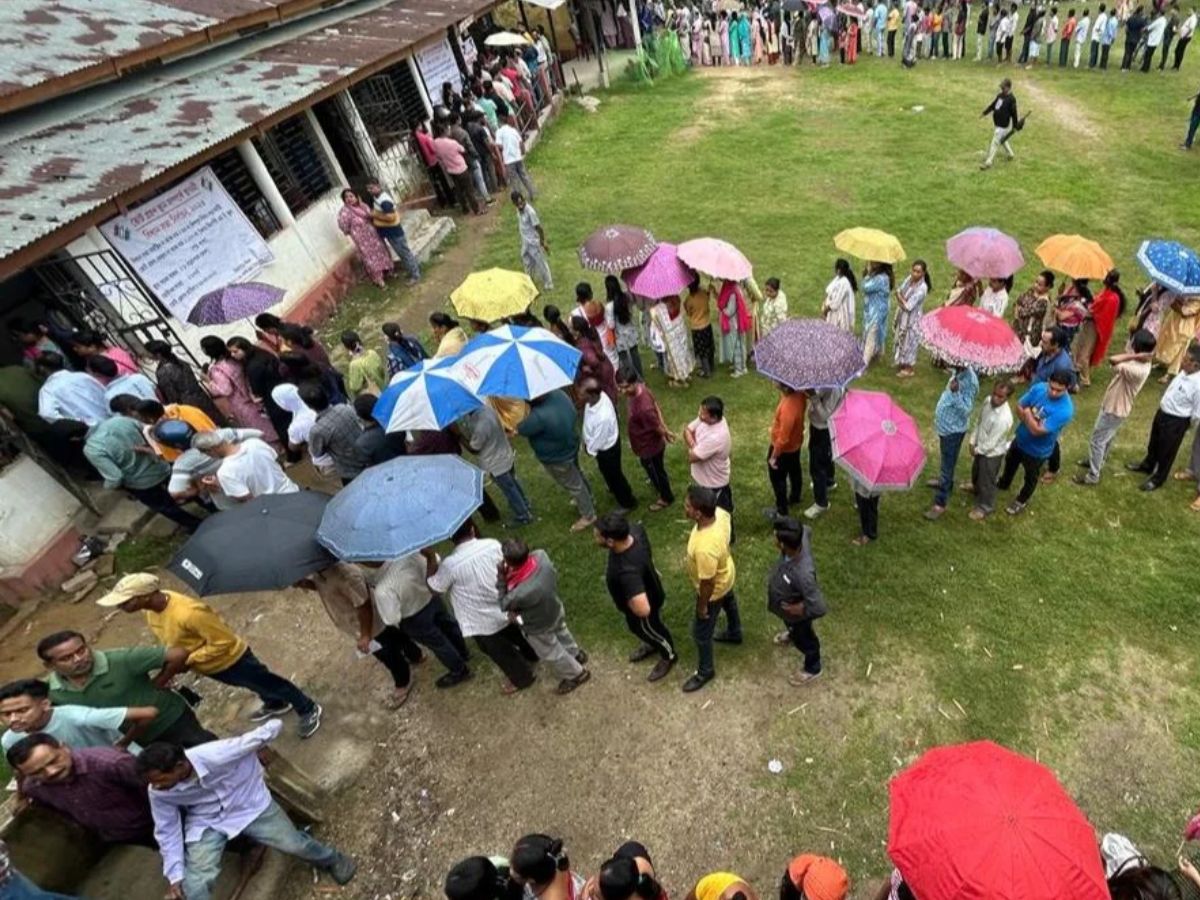
This has been followed by further complications in recent developments. West Bengal Chief Electoral Officer (CEO) has been considerably quiet on the controversial Special Intensive Revision (SIR) legislation, as speculation continues on its effect on the electoral process and communal harmony. Nevertheless, the CEO’s office has been in the midst of conducting training for booth-level officials across the state, focusing on administrative preparedness and facilitating voters prior to the polls.
Such SIR-related activities have come under the spotlight in light of criticism by opposition parties that the law could further polarise communities and even have a bearing on voters’ lists. The period of enhanced booth-level officer training reflects the Election Commission’s emphasis on conducting elections in an orderly fashion amidst an intense political environment.
President’s Rule on grounds of ‘Governance failure’
Political parties are still sharply polarized. The BJP and its allies persistently call for President’s Rule in West Bengal on grounds of governance failure and growing security threats because of communal tension. The Trinamool Congress of Chief Minister Mamata Banerjee rejects such charges, alleging politicization of communal disturbances by the opposition and pledging to maintain law and order.
The Centre government is still wary of declaring President’s Rule, fearing repercussions that would embolden Mamata Banerjee politically before the polls. The judiciary also remains watchful with the Supreme Court examining petitions regarding the law and order but walking a tightrope balancing executive power and democratic entitlements.
Increased police and paramilitary deployment persists in sensitive areas, complemented by selective internet restrictions to guard against misinformation and restore communal peace.
In short, West Bengal is at a delicate point with muted but entrenched communal tensions, political battles over legitimacy of governance, and crucial election preparations under way. The evolving situation calls for watchful administration and even-handed political rhetoric as the state inches toward its crucial 2026 Assembly elections.