
Villagers in Madhya Pradesh’s Malwa belt, particularly in districts of Mandsaur and Neemuch, have been bearing a heavy toll for years on their agriculture due to nocturnal raids by nilgai (blue bulls), Asia’s biggest antelope. Herds of 40-50 animals systematically set ablaze crops of wheat, chickpeas, soya beans, and even precious opium.
Ramlal Patidar, a farmer from Barkheda Pambh, reflects the frustration of many. “Nilgai arrive in groups of 20-30 at night. We guard all night with sticks and noise, but still lose 30-40% of our crops.”
No amount of desperate action, such as firecrackers, wire fencing, and night vigils in the fields, can stop these clever and powerful animals from jumping six-foot fences and destroying crops with impunity.
Nilgai Populations on the Rise and Failing Measures
The issue goes well beyond Madhya Pradesh. There are an estimated more than 100,000 nilgai in India, with numbers increasing in Bihar, Uttar Pradesh, Chhattisgarh, Rajasthan, Gujarat, and Haryana. In MP alone, there are 34 tehsils in 21 districts reporting frequent nilgai damage, and it is the second most-hit state after Bihar.
One adult nilgai eats about 14 kg of dry forage per day and can destroy 45 various crops, ranging from cereals to vegetables and pulses.
Previous measures such as sterilisation campaigns, subsidies for wire-fencing, and shifting to forests have not been successful to a large extent. For instance, Preet Pal Singh from Behpur invested ₹45,000 in fencing his 15-bigha land, only to have nilgai cut through with ease.
A 2016–17 relocation scheme that transferred 27 nilgai to the Gandhi Sagar forest was halted due to high expense and low effect at a cost of ₹42 lakh.
Cheetahs Arrive—and Nilgai Numbers Fall
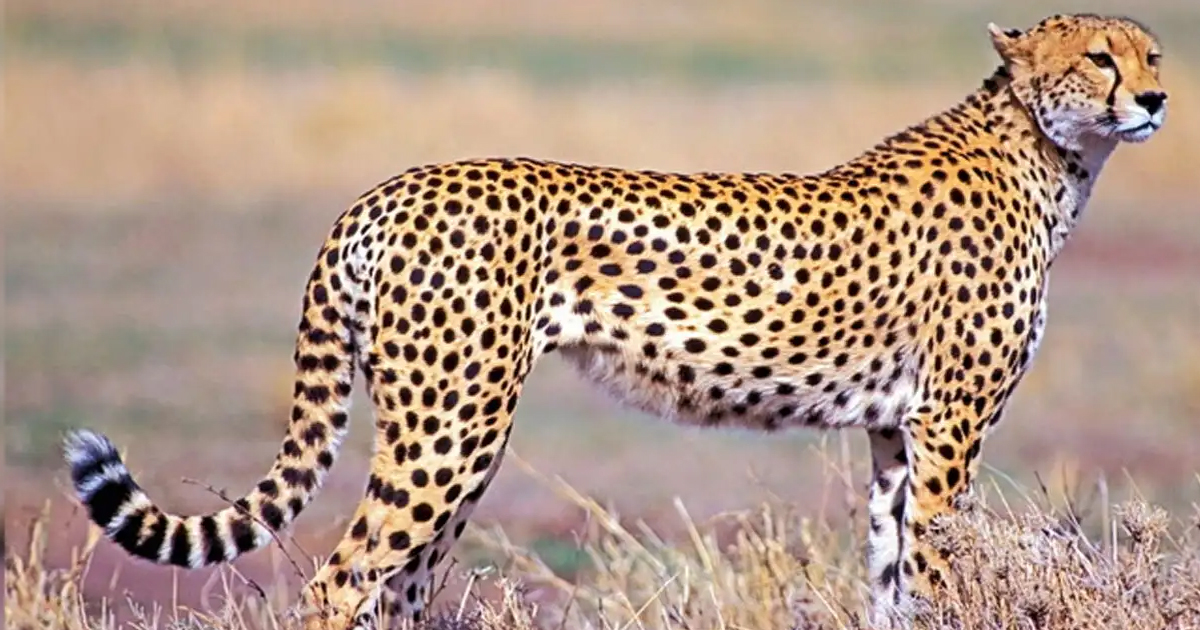
A breakthrough came on April 20, 2025, when two cheetahs, Prabhav and Pavak, were transferred from Kuno National Park to the Gandhi Sagar Wildlife Sanctuary as part of India’s cheetah reintroduction plan.
In a mere 80 days, these cheetahs accounted for more than 30 kills, 70% of them nilgai. “These cheetahs kill one nilgai in every two to three days,” confirmed Divisional Forest Officer Sanjay Raikhere.
This finding is also verified by the Wildlife Institute of India’s Gandhi Sagar Cheetah Action Report, which names nilgai (4.4 per sq km) and chinkara (7.4 per sq km) as the number one prey species in the sanctuary.
Local farmer Hemraj Dhakad from Rampura village testified to the shift, “Earlier, 20-30 nilgai would come into our fields at night. Now we get only 5-7.”
This cheetah-spurred natural predation brings farmers some long-sought respite, but not without cost.
Livestock Safety Concerns Surface
Though damage to crops has reduced, new terrors now beset the villages surrounding Gandhi Sagar Wildlife Sanctuary. Cheetahs might start attacking livestock, farmers fear, particularly in villages such as Chainpuriya, where every household has 70–80 cattle.
“Cheetahs have partly saved our crops, but the relief is not complete. If they attack cattle, we will be facing double trouble,” said a local dairy farmer, Dinesh Gurjar.
These fears are not groundless. In March 2025, a group of cattle killers in Kuno stoned cheetah Jwala and her cubs, prompting outrage and highlighting the fragile coexistence of humans and big predators.
Rawali Kudi farmer Prahlad Gurjar encapsulates the fear: “What if the cheetahs attack our cattle?”
Compensation Delays Add to Farmer Woes
The Madhya Pradesh government, as per the Public Service Guarantee Act 2010, guarantees crop damage compensation within 30 working days. But the situation is otherwise—farmers report an average delay of 208 days, and most of them are rejected on the grounds of “damage being below 25%.”
“Nilgai and wild boar last year damaged 50–60% of my rabi crop. The survey team evaluated it to be less than 25% and rejected my application,” says Patidar.
Between 2013 and 2023, the Mandsaur district received a mere ₹67,716 as compensation in 10 cases—not enough.
Seeking Low-Cost Solutions and Scientific Options
Farmers are now being encouraged by agricultural scientists toward organic and landscape-level deterrents. Dr. R.P. Singh suggests a biological repellent composed of cow urine, neem, datura, red chilli, garlic, and goat dung, fermented for 25 days. This organic spray is an eco-friendly and cost-effective method to deter nilgai.
Dr. S.K. Sharma supports Uttar Pradesh’s “ninja trick” of planting trees around cultivated fields with 2-foot deep trenches that nilgai are unable to cross because of their short necks.
Wildlife activist Ajay Dubey demands improved surveys to calculate the nilgai diet and the availability of forest produce. “If nilgai are migrating from forests to residential areas, it is a sign of insufficient food in forests,” he explains.
What Lies Ahead: Hope, Fear, and Balance
The forest department is in the process of developing a pilot project to capture and relocate nilgai in helicopters with the expertise of South Africa. The monsoon season first followed by the Shajapur district, will be the pilot location. But on account of previous failures, farmers are non-committal about costly relocation plans.
Bihar is India’s worst-hit state with nilgai-human conflict in 22 districts and 86 tehsils, followed by MP and UP. The underlying cause is declining forest cover and ecological imbalance.
Cheetahs provide a good beginning, but for sustainable success, conservation has to be balanced with people’s needs, sustainable deterrence, timely compensation, and recovered forest ecosystems.