The government has announced a symbolic renaming of key official institutions as part of a broader effort to shift emphasis from power to public service. The Prime Minister’s Office (PMO) will now be called “Seva Tirth,” while state Raj Bhavans and the union territories’ Raj Niwas across India will be rechristened “Lok Bhavan” and “Lok Niwas.” The move underscores a fresh narrative, governance as service to the people, not merely authority.
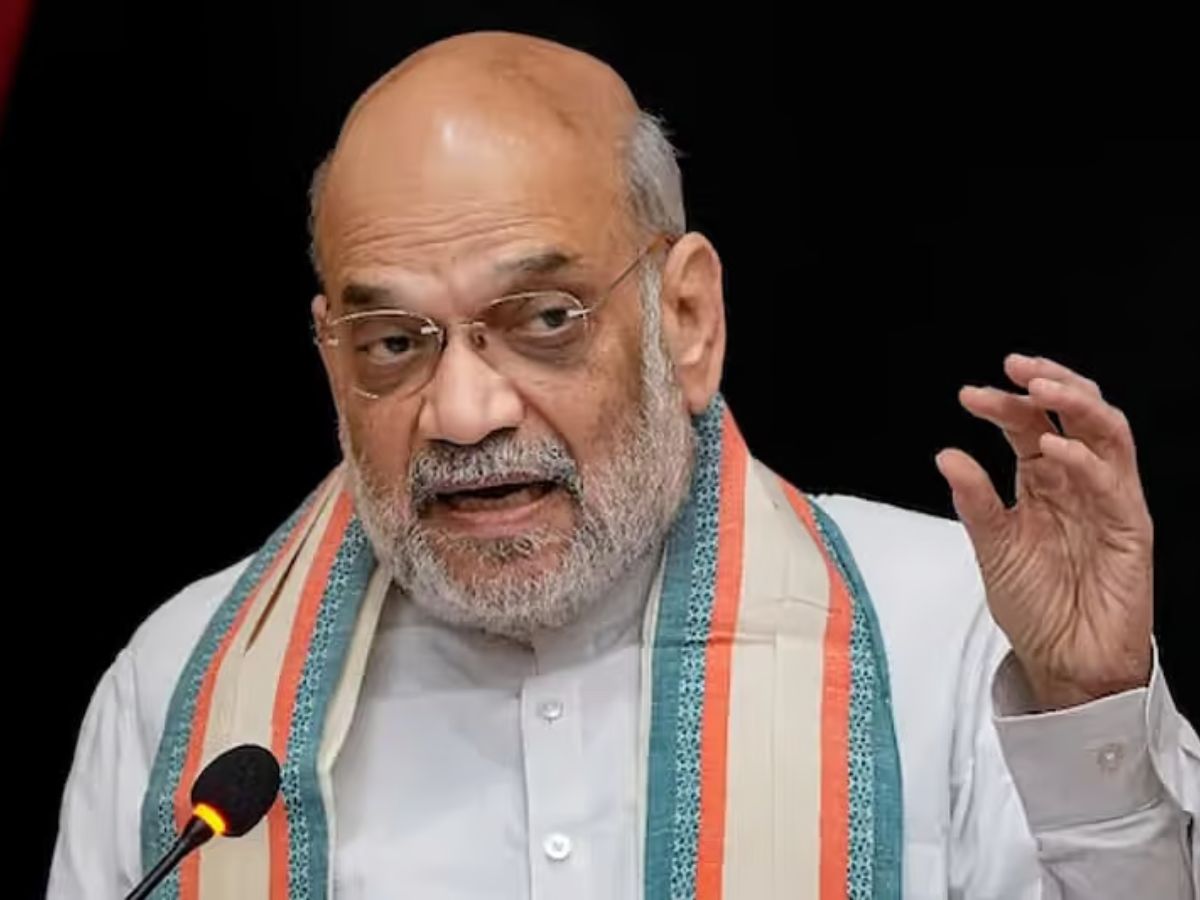
As described by Amit Shah, the Home Minister, this renaming reflects the government’s claim that its decades in power are defined by service, with the top leadership presenting itself as public servants rather than wielders of power. The change, he says, marks a “milestone” on India’s “golden journey” toward a developed nation rooted in good governance and service.
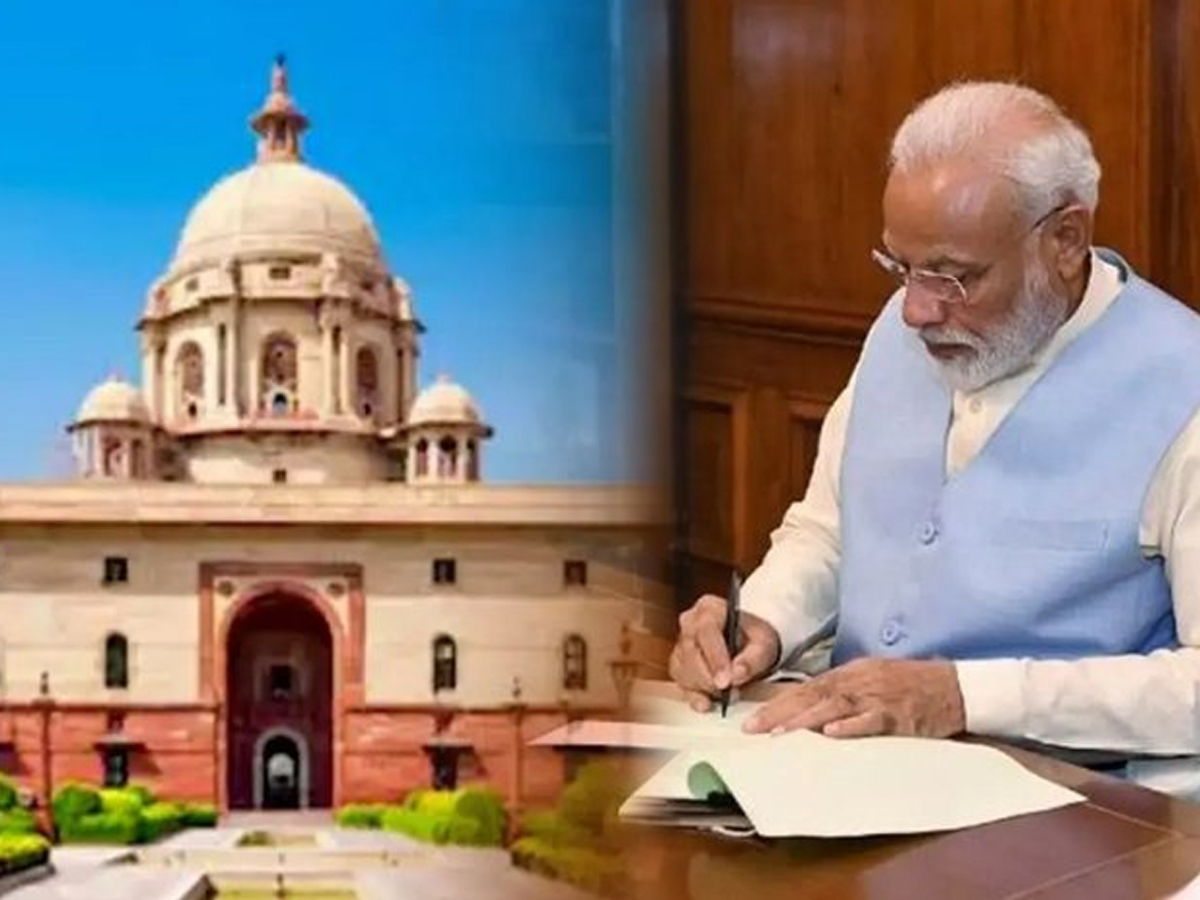
PMO to ‘Seva Tirth’
The PMO’s new name Seva Tirth. This change aligns with the ongoing redevelopment of the Central Vista, where the new Executive Enclave, currently under construction, will house the PMO, Cabinet Secretariat, and other key offices.
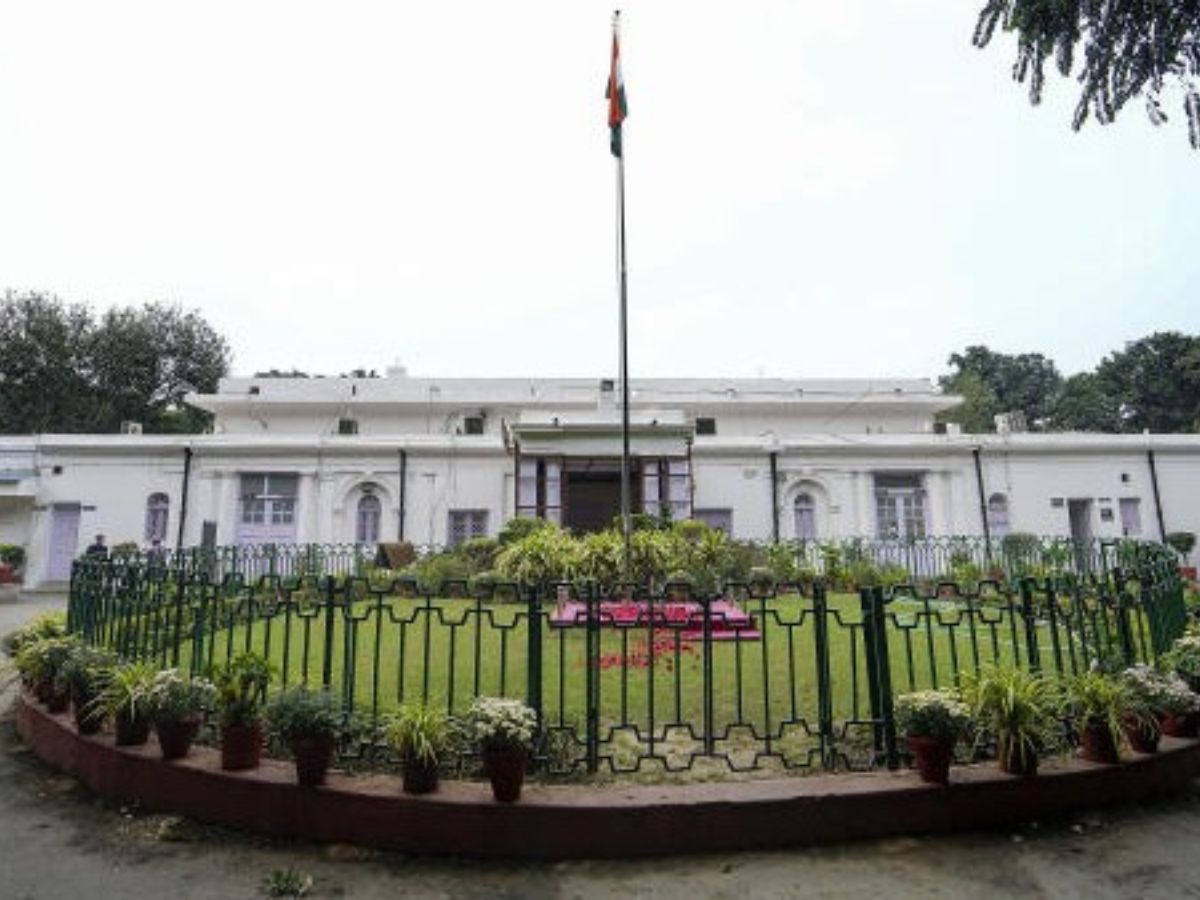
Raj Bhavan (for state governors) and Raj Niwas (for administrators of union territories) will now be called Lok Bhavan and Lok Niwas, respectively.
पिछले 11 वर्षों से मोदी सरकार सत्ता नहीं, सेवा की पर्याय रही है, जिसमें सत्ता का सर्वोच्च नेता स्वयं को प्रधानसेवक मानकर जनता के लिए सातों दिन, 24 घंटे कार्य कर रहे हैं। इसी दिशा में प्रधानमंत्री श्री @narendramodi जी ने सेवा के संकल्प को दोहराते हुए प्रधानमंत्री कार्यालय को…
— Amit Shah (@AmitShah) December 2, 2025
The rationale is to replace colonial-era nomenclature associated with power and authority with titles that emphasize people-centred governance and public service.
According to the government, this is more than cosmetic renaming, and it signifies a deeper institutional and cultural shift.
Why the Renaming of PMO Matters
The new names aim to reshape how public institutions are perceived. By shifting from regal or authority-laden names to people-centric ones, the government seeks to communicate that these serve the citizens — not the other way around. This could influence how bureaucratic culture is understood and might affect how citizens relate to these institutions.
The renaming also comes at a time when the government promotes its narrative of “sabka saath, sabka vikas” and pushes for modernization under redevelopment projects like Central Vista. The new names align symbolically with those ambitions.
Potential Impact & Public Perception on PMO Renaming
For many, the shift could signal a fresh start — a reminder that officials and institutions exist to serve public interests. For critics, however, the change may seem largely symbolic unless accompanied by real reforms in governance, transparency, and public service delivery.
Some citizens welcome the new terminology as more humble and people-oriented. Others question whether renaming alone changes anything. The real test will come in how institutions perform under their new identity.
What Comes Next: Implementation Across India
The renaming is expected to be applied nationwide — all state Raj Bhavans and Raj Niwas will adopt the new titles gradually. The new PMO complex, once ready, will officially operate as Seva Tirth. Government communications, stationery, signage, and legal references will be updated accordingly.
The bigger objective, as articulated by the leadership, is to embed a service mentality into the bureaucracy; whether this translates into improved governance remains to be seen.