
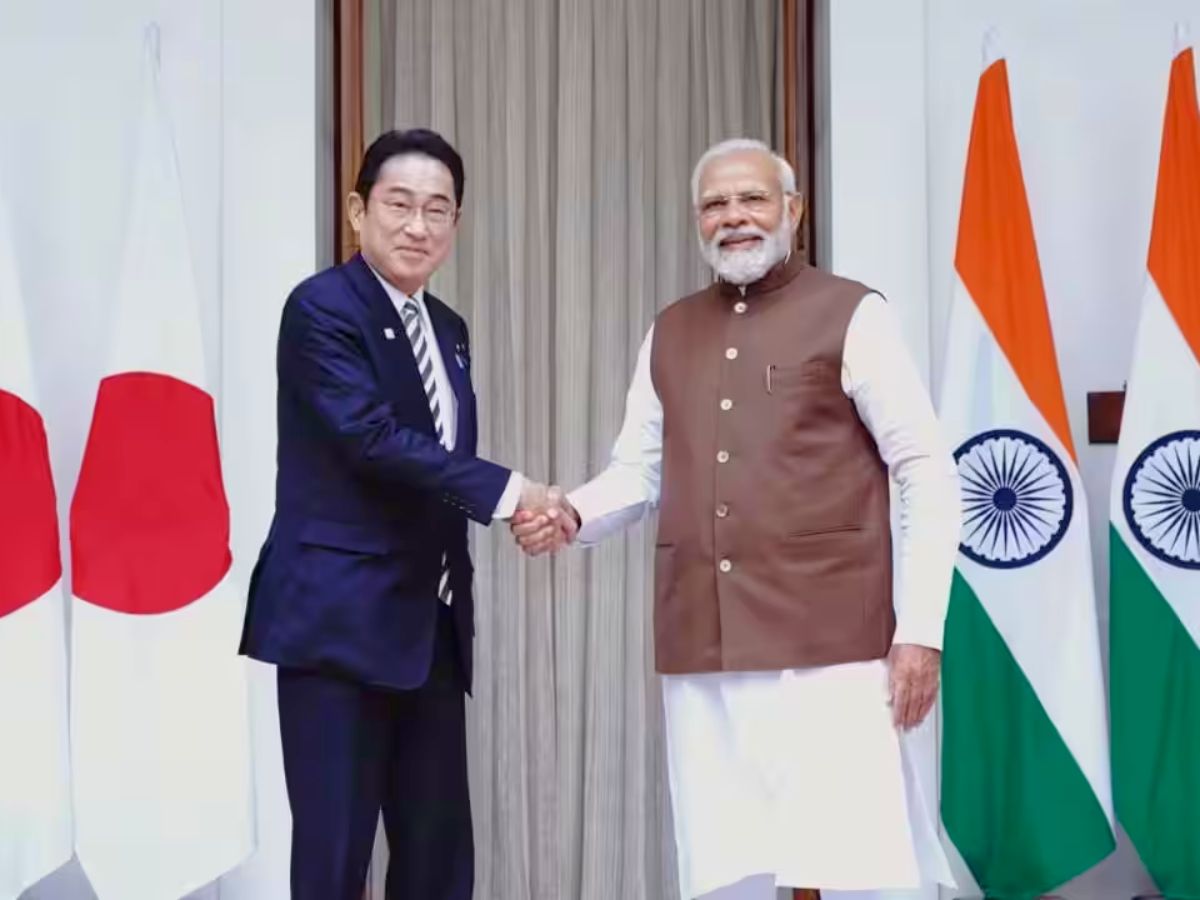
PM Narendra Modi heads to Japan, his push for a stronger Swadeshi movement finds a striking parallel in Japan’s Nihonsei model. India is under pressure from new US tariffs, but Japan shows how a smart mix of labelling and cultural pride can strengthen self-reliance—without bans or restrictions.
What Is Japan’s Nihonsei Model?
Every product in Japan has a label that identifies its place of origin. Nihonsei translates to Made in Japan, and it represents Japanese craftsmanship, pride in equality, and trust in local resources.
Even if these labels are small, they are backed by strict laws and clever business plans. Because of this, Made in Japan is a trustworthy symbol that people naturally appreciate.
Modi’s Call for Swadeshi
In his Independence Day speech, PM Modi urged shopkeepers to put up signs saying “yahan swadeshi maal bikta hai” (locally made goods are sold here). He stressed that buying Indian products should come from pride, not compulsion.
ALSO READ: PM Modi to Visit Japan for 15th India-Japan Summit, Defence and Trade in Focus
“Swadeshi should not be out of compulsion, it should be out of confidence,” he said. His words closely mirror Japan’s way of promoting homegrown products with dignity and trust.
How Japan Promotes Local Goods?
Japan’s push goes beyond just labelling. Under laws like the Food Labelling Act and Japan Agricultural Standards, origin marking is mandatory. Stores also highlight regional specialities—like Hokkaido crab or Aomori apples. Local products stand out since imported goods are frequently arranged separately.
Because they are confident in the quality and safety of local products, older Japanese customers in particular greatly like them. This understated yet reliable approach maintains the pride in being made in Japan.
Lessons India Can Learn
For India, the Swadeshi campaign can borrow from Japan’s model. Instead of bans on foreign goods, India can focus on:
- Simple and visible “Made in India” tags
- Regional branding (like “Darjeeling tea” or “Kashmiri saffron”)
- In-store visibility of Indian products
When people see local products as part of their identity—not just a rule—they will choose them naturally.
ALSO READ: Lee’s Tokyo Trip Signals Reset In Japan-South Korea Ties Amid Regional Tensions
Swadeshi Then and Now
Rejecting British products was at the heart of the first Swadeshi movement in the early 1900s. The “vocal for local” movement of today aims to present Indian goods as cutting-edge, competitive, and top-notch.
India might emulate Japan and use Swadeshi as a sign of pride and confidence instead of enforcing the law.
Shared Path to Self-Reliance
As PM Modi meets Japanese leaders, the comparison between Swadeshi and Nihonsei becomes clearer. Both link everyday purchases with national pride. Japan demonstrates that self-reliance thrives when it develops subtly — through clever branding, cultural confidence, and trust.
The future of Swadeshi in India could not be found in catchy slogans, but rather in creating a brand identity that makes indigenous goods the first choice for all customers.
ALSO READ: PM Modi’s Japan Trip Could Unlock $68 Billion Investment Deal: Report