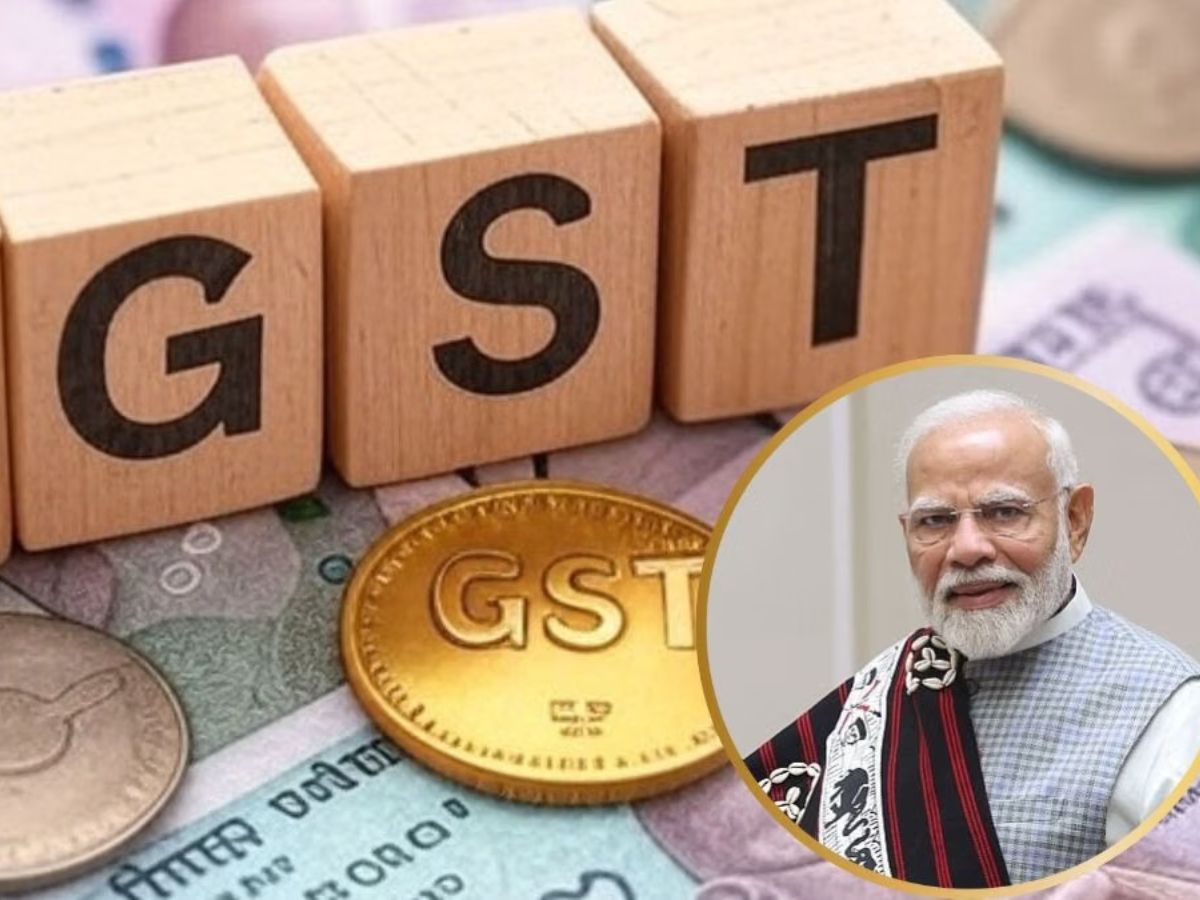
PM Narendra Modi has announced that India’s goods and services tax (GST) system will undergo a big change. In his Independence Day speech, he called these changes “next generation GST reforms” and described them as a Diwali gift for ordinary people.
The plan is to reduce the number of GST slabs from four to just two and to give exemptions on more services. The idea is to make taxes simpler, lower costs for families, and reduce the paperwork that businesses face. At the same time, the government wants the system to feel fairer for both citizens and entrepreneurs.
What Will Change in the GST Slabs?
Right now, India has four GST slabs: 5%, 12%, 18%, and 28%. According to a report by CNBC-TV18, these will soon be replaced by just two main slabs—5% and 18%. The 0% slab, which already covers essential goods and services, will continue.
ALSO READ: PM Modi to Visit China for SCO Summit on Aug 31, Talks Signal ‘New Energy’
On top of this, the government is planning a special 40% slab. This higher tax rate, called a ‘sin tax,’ will apply only to items like tobacco products, sugary aerated drinks, and online betting.
Everyday Essentials to Get Cheaper
The new 5% slab will apply to daily-use items. Things like packaged food, footwear, clothes, cycles, eyewear, and even snacks will all become cheaper.
Goods that are currently taxed at 12% will move down to 5%. Medicines and some medical equipment may even shift to the 5% or 0% slab. This change means that middle-class families will spend less on their basic needs.
Relief for Insurance Buyers
One of the most welcome changes is in insurance. Senior citizen health insurance and term life insurance premiums would no longer be subject to GST. In addition to reducing expenses, this will motivate more people to purchase insurance.
By making these essential products tax-free, the government is directly responding to a demand that the middle class has raised for years.
ALSO READ: From Bench to Ballot: Who is Justice B Sudershan Reddy? INDIA Bloc’s VP Pick
Big-Ticket Goods to See Lower Taxes
High-value goods currently taxed at 28% will move to the 18% slab. Products like televisions, refrigerators, air-conditioners, and vehicles will all become more affordable.
This is expected to give a boost to consumer demand. For small businesses and medium enterprises (MSMEs), the new slab structure will also reduce confusion and make compliance much easier.
Push for Simplicity & Confidence
Along with changing the tax rates, the PM GST task force will review all the rules and procedures related to business activities. The aim is to cut compliance costs, protect entrepreneurs from unnecessary legal trouble, and make it easier to do business.
These changes are not just about reducing taxes—they are about creating more trust between the government and the business community.
ALSO READ: Delhi-NCR Lashed by Heavy Rain & Dust Storm, IMD Forecasts More Showers
Looking Forward
If these reforms are carried out, the middle class will benefit the most. Essentials, medicines, and insurance will get cheaper. Consumer durables and household items will be subject to lower tax rates, while startups and MSMEs will have fewer challenges due to the more straightforward framework.
The true test, though, will be how soon these policies are put into effect and how the government strikes a balance between tax relief and revenue requirements. As things stand, PM Modi’s pledge has stoked expectations for a GST system that benefits both businesses and families.