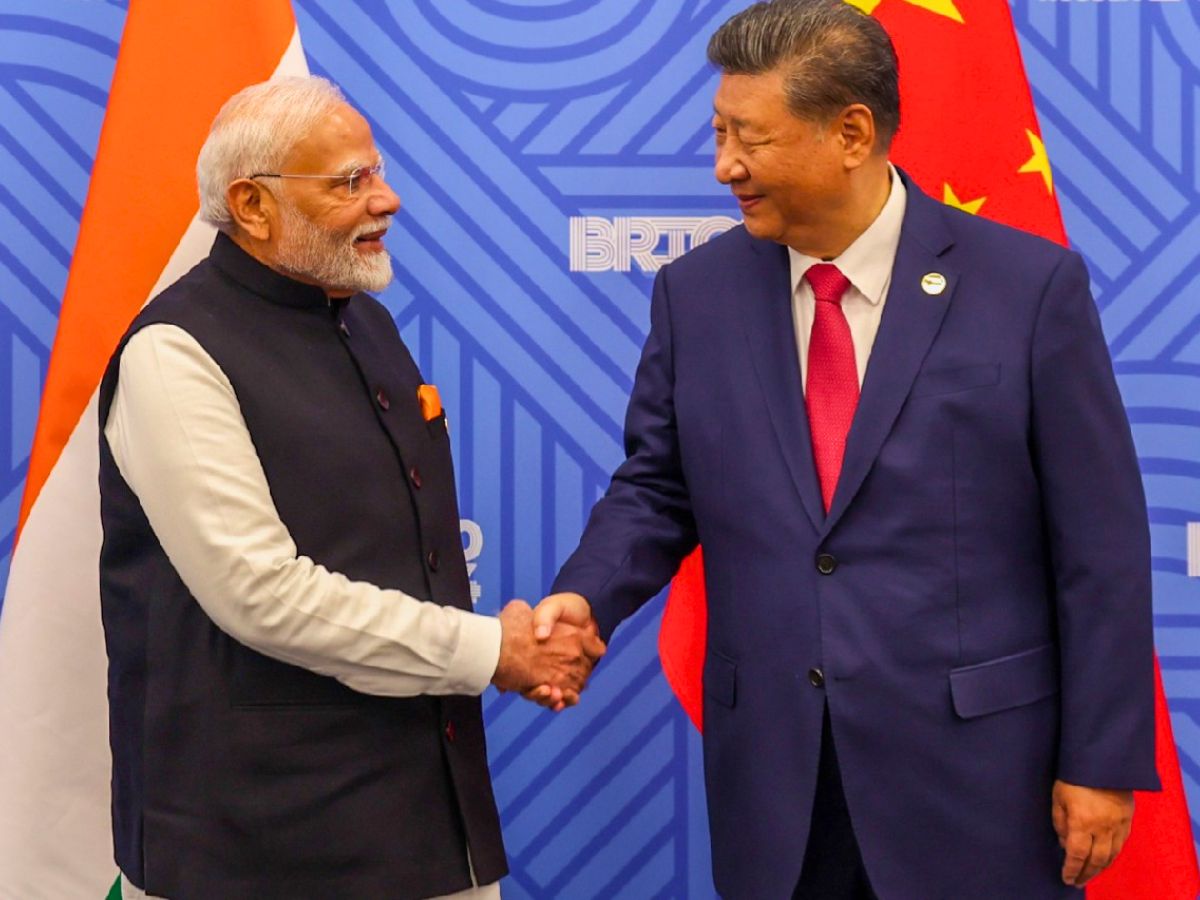
PM Narendra Modi and Chinese President Xi Jinping will meet on August 31 on the sidelines of the Shanghai Cooperation Organisation (SCO) Summit in Tianjin, China. The meeting is seen as a crucial step in easing tensions after years of strain.
But beyond border talks and regional cooperation, a new economic question could shape the dialogue, which is why India is facing severe US tariffs for buying Russian crude oil while China, which imports even larger volumes, has escaped similar penalties.
Modi–Xi Meeting After a Year
It will be the first meeting between the two leaders in almost a year. They last met in October 2024 when both sides announced progress on resolving the military standoff along the Line of Actual Control (LAC). Since then, relations have slowly warmed.
ALSO READ: India Eyes 40 Nations After US 50% Tariff, Targets $590 Billion Textile Market
External Affairs Minister S. Jaishankar visited Beijing last month, meeting Xi Jinping for the first time since ties soured in 2020. Jaishankar conveyed greetings from President Droupadi Murmu and PM Modi, saying: “Apprised President Xi of the recent development of our bilateral ties. Value the guidance of our leaders in that regard.”
Trade, Oil, & Uneven Tariffs
Both India and China continue to buy discounted Russian crude oil despite Western sanctions. But only India has come under Washington’s tariff hammer. US President Donald Trump recently slapped a 50% tariff on Indian goods, linking it to India’s crude purchases and trade imbalance. China, meanwhile, has not faced similar penalties, despite being the largest buyer of Russian oil.
This uneven treatment creates a sensitive backdrop to Modi’s talks with Xi. Analysts say it raises a strategic dilemma: could New Delhi align more closely with Beijing on trade and energy, or will it remain wary of China using this advantage to tilt the balance of power?
SCO Summit: More Than Regional Security
The SCO Summit will also see Modi hold talks with Russian President Vladimir Putin and several leaders from Central Asia. Energy security, regional connectivity, and counterterrorism will be the primary focus.
ALSO READ: Bihar on High Alert After 3 Jaish-e-Mohammad Terrorists Enter From Nepal
For India, however, tariffs are fast becoming an unavoidable topic. The textile sector, IT services, and energy imports have been hit hard. It’s uncertain if PM Modi will bring up this matter casually with Xi, but the disparity may influence the tone of their conversation.
Fragile Balance Between Rivalry & Cooperation
India and China recently resumed direct flights and agreed to ease visa rules for tourists, businesses, and media. Now, with Washington’s tariffs hurting India disproportionately, Beijing may seek to exploit New Delhi’s economic pain.
If Modi and Xi find common ground, it could mark a turning point in how Asia responds to Western trade pressure. If not, the meeting may only expose how differently both countries are positioned in the global economic order.
ALSO READ: Commonwealth Games 2010 Scam: But Is India Ready for the CWG 2030 Bid?