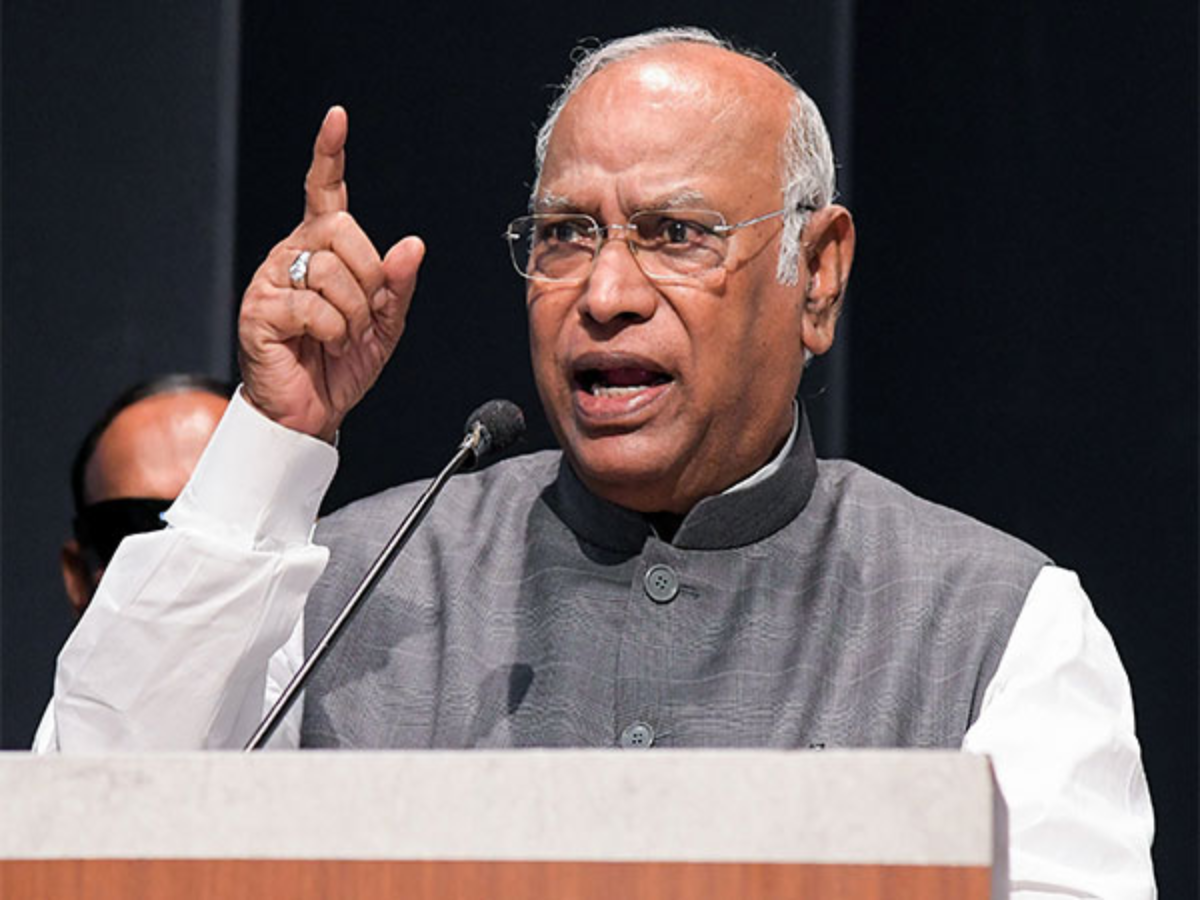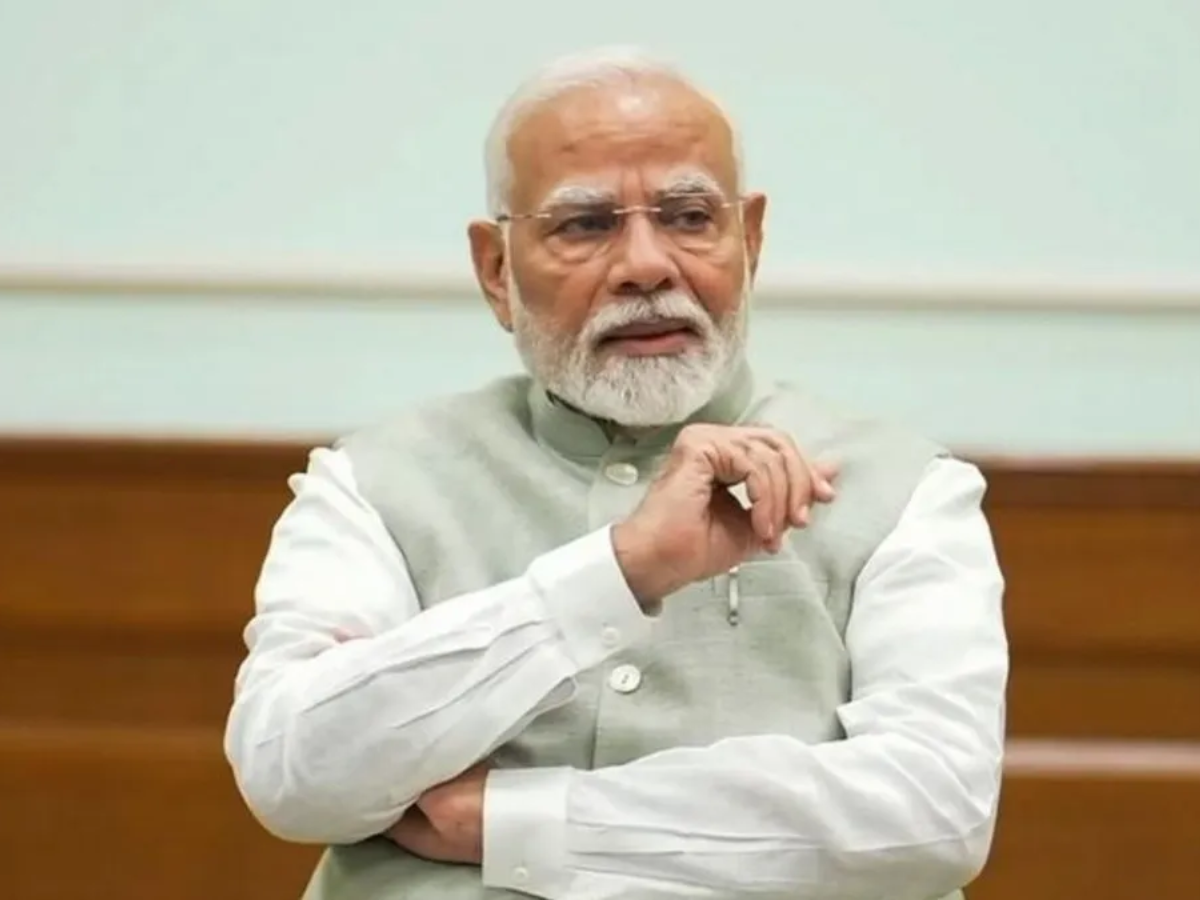
Prime Minister Narendra Modi led a high-level meeting in New Delhi on Monday with top ministers, senior secretaries, and top economists to discuss the roadmap for Next Generation Reforms. The meeting, which is part of a move to follow up on the momentum of India’s growth curve, comes in the wake of the Prime Minister’s Independence Day speech where he stressed a new generation of structural reforms, more so in the economic sector.
The meeting discussed ways to enhance investment, improve industrial competitiveness, and upgrade major sectors in tune with India’s vision for the long-term development of the country, as per government officials.
Major Discussion Areas
- Officials at the meeting identified that discussions covered a number of priority areas:
- Employment Generation & Skill Development: Proposals to increase job opportunities through innovation, entrepreneurship, and vocational training schemes.
- Ease of Doing Business: Steps to further streamline regulations, digitalize clearances, and cut compliance burden on sectors.
- Manufacturing & Infrastructure: Consolidating the ‘Make in India’ program with greater emphasis on logistics, ports, highways, and renewable energy infrastructure.
- Fiscal & Monetary Balance: Advises from economists on how to maintain growth without compromising fiscal responsibility and inflation management.
- Social Sector Investments: Increasing access to healthcare, education, and rural development to make reforms inclusive.
Drawing Strength from Recent Gains
The government has in recent years rolled out path-breaking reforms, such as the Goods and Services Tax (GST), production-linked incentive schemes, and initiatives for digital governance. The Prime Minister is said to have asked his team to concentrate on next-phase reforms that can make India an economic superpower in the decade to come.
While addressing Independence Day, PM Modi emphasized: “India needs to lead in new-age reforms that create avenues for innovation, sustainability, and inclusive growth.” This vision was reflected in Monday’s meeting, with the Prime Minister urging ministries to drive sector-specific breakthroughs to enhance long-term competitiveness.
Experts’ Role in Shaping Policy
The presence of top economists lent gravity to the conversation, making sure that future reforms are visionary yet realistic. Ideas varied from encouraging private investment in sunrise industries like artificial intelligence, green hydrogen, and semiconductor production, to fixing bottlenecks in the farm supply chain.
Although no immediate announcements were being made, government sources indicated that the overall reform road map may be laid out within the next few months, possibly in the Union Budget or in a standalone policy document.
As India looks to be a $5 trillion economy, the PM Modi-led meeting marks a strong intention: the government is set to enter a new wave of transformational reforms aimed at ensuring sustainable and inclusive growth for the country.