As questions grow around the cause of the deadly crash of Air India flight AI-171 in Ahmedabad, officials close to the investigation have revealed new details. They confirmed that all possible mechanical and technical failures are under examination, including a suspected fuel valve issue.
Focus on Fuel Switch Error
Investigators are checking if a fault in the fuel switch could have led to engine shutdown. Although modern aircraft are built so that fuel switches cannot be operated without human input, authorities are probing whether a mechanical or technical fault may have somehow triggered the switch malfunction.
A key detail under review is an error code “STAB POS XDCR” found after the Delhi–Ahmedabad leg of the journey. This error signals a fault in the stabiliser position transducer, which affects how the plane detects its nose angle. While this may not be linked directly to the fuel switch, officials are checking if such a sensor issue disrupted other aircraft systems, particularly those managing fuel flow.
Role of Aircraft Automation Under Scrutiny
Aviation experts note that modern planes are highly computerized. Critical systems like Full Authority Digital Engine Control (FADEC) and Thrust Control Malfunction Accommodation (TCMA) can override pilot commands in certain situations to protect the aircraft. Now, investigators are examining whether any automation-related malfunction may have caused the fuel cut-off.
WSJ Report Raises Questions About Pilot’s Role
Public attention intensified after a report from The Wall Street Journal (WSJ) claimed that a senior pilot may have accidentally shut off fuel supply to both engines, which led to the crash. The report quoted anonymous officials who said the pilot’s actions were “inexplicable”, especially because there was no emergency at the time.
A follow-up WSJ article placed the blame squarely on the captain. According to the report, cockpit voice recordings captured the first officer, who was flying the Boeing 787 Dreamliner, asking the captain why he had switched the fuel controls to the “cutoff” mode just seconds after takeoff.
The co-pilot reportedly sounded shocked and panicked, while the captain remained calm, the article added.
AAIB Report Offers Different View
The preliminary findings from the Aircraft Accident Investigation Bureau (AAIB), released publicly by the Indian government, gave a slightly different picture. The report mentioned a brief exchange between the two pilots just before the crash.
According to the AAIB: “In the cockpit voice recording, one of the pilots is heard asking the other why did he cut-off. The other pilot responded that he did not do so.”
This suggests a disagreement or confusion in the cockpit over who handled the fuel switches.
Pilots’ Association Rejects Fuel Cut-Off Theory
The Indian Commercial Pilots’ Association (ICPA) strongly disagreed with the WSJ report. Its president, Captain SP Varma, dismissed the claims as “laughable” and premature. He stressed that cutting fuel is a standard safety step during confirmed engine fires or failures but not during routine takeoff.
Varma argued, “Speculation without data from the cockpit voice and flight data recorders is irresponsible.”
Tragedy and Ongoing Investigation
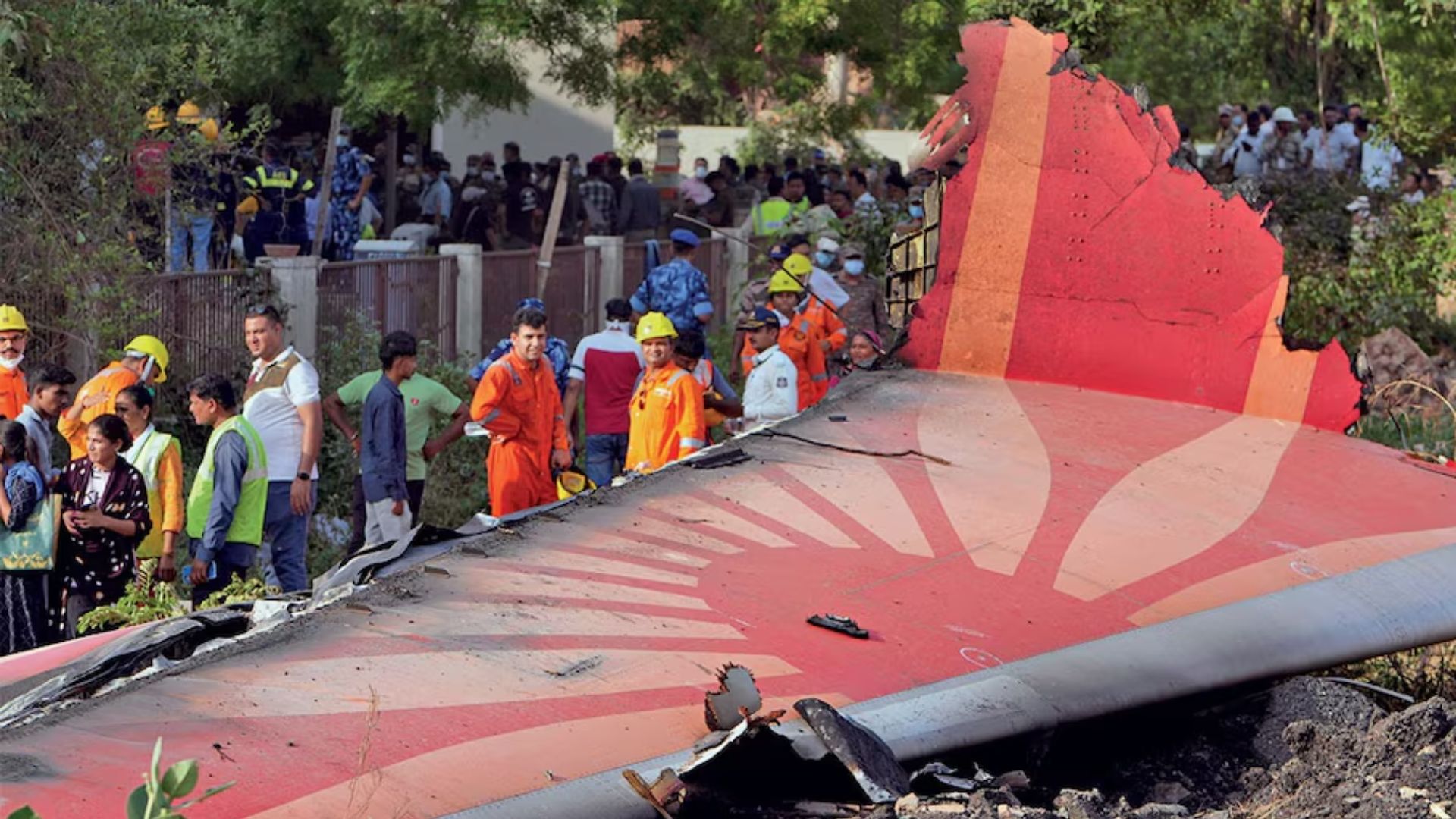
The Air India crash on June 12 was a major aviation disaster. It killed 241 people on board, with only one survivor. The crash also caused deaths on the ground.
As the investigation continues, officials are being careful not to draw conclusions too early. They are still analyzing technical logs, flight data, and voice recordings to determine the real cause of the accident.