
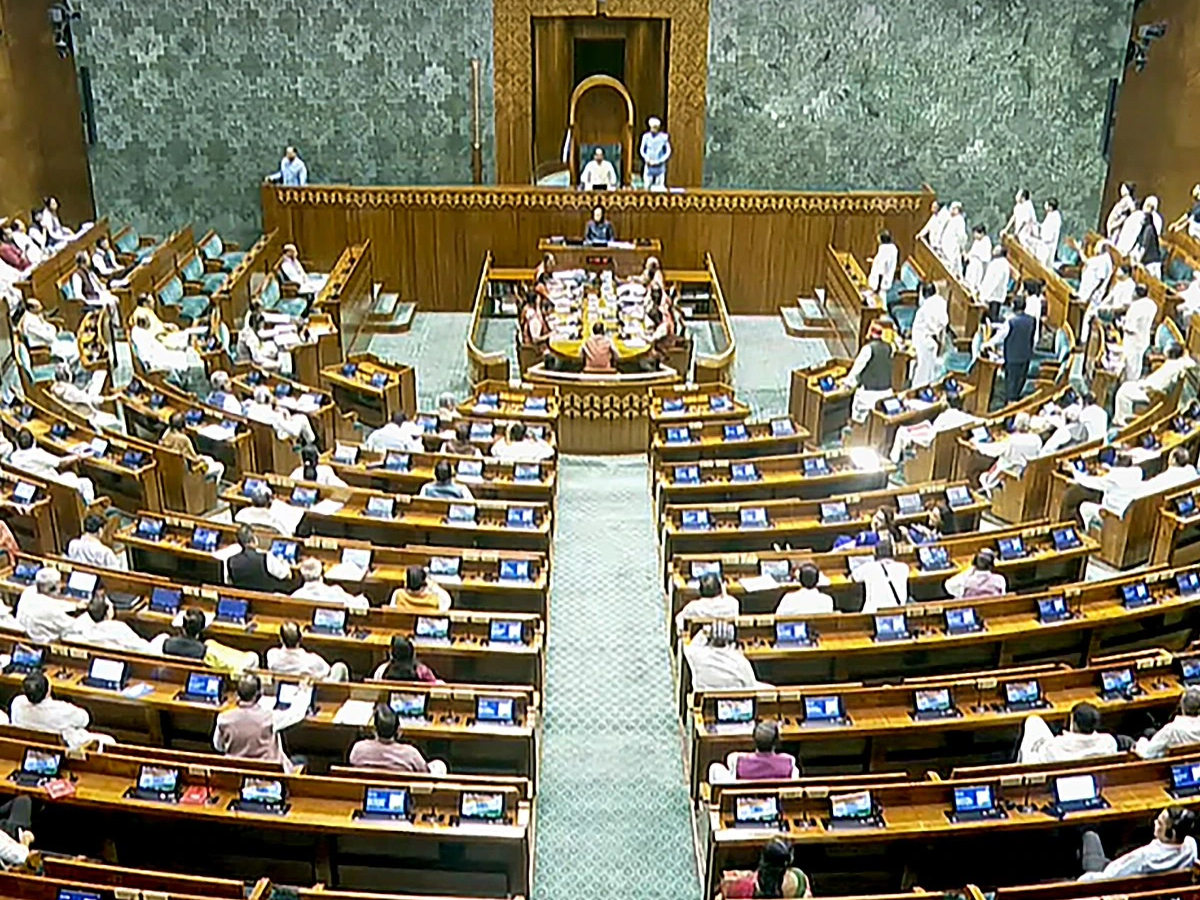
As the Winter Session of Parliament began on Monday, a tense mood prevailed. A united opposition has placed the demand for a discussion on the Special Intensive Revision (SIR) of electoral rolls at the centre of its agenda. The demand emerged from a Sunday all-party meeting, and parties warned the House could stall if the issue is ignored. The government, however, remained non-committal, offering no clear reply.
Why SIR Has Become a Flashpoint in 2025
Critics of SIR say it risks disenfranchising vulnerable voters. Deleting names, demanding extra documentation, and placing voters under “C-category” — they argue such steps undermine democratic rights. Supporters of SIR counter that cleaning electoral rolls is necessary to maintain integrity and prevent fake or duplicate voters.
In this climate, the demand for discussion has become a test of democratic accountability. With elections approaching in several states, the outcome of this debate could affect political trust across the country.
What Is SIR and Why Opposition Wants It Debated
The Special Intensive Revision (SIR) is a nationwide review of voters’ electoral rolls. Its aim to update records, correct errors, and remove invalid entries. But several opposition parties — led by the SP’s Ram Gopal Yadav — allege serious flaws in the process. They claim irregularities, unfair deletions, and that targeted sections of voters are being removed. Yadav also warned that some booth-level officers reportedly committed suicide due to stress related to SIR duties. In his words, “We will not allow Parliament to function if a discussion is not held on SIR.”
For the opposition, a transparent discussion now is critical. They argue that revising electoral rolls affects democracy and voter rights. They want parliamentary oversight before any further progress.
Government’s Response — Non-Committal, Wants Time to Consult
The government, represented by Parliamentary Affairs Minister Kiren Rijiju, told the opposition it needed time to consult relevant officials. He offered no firm commitment. Rijiju invoked a precedent — a 1988 ruling by then Lok Sabha Speaker — to reject discussion on Election Commission actions. That ruling had blocked debate on electoral roll matters in the past.
Because of the lack of agreement, the Business Advisory Committees for both Houses could not finalise the agenda. While the government listed 13 bills and one motion for discussion, the opposition did not commit to supporting them.
Will Parliament Run — Or Will It Stall Again?
The lack of consensus raises fresh doubts on whether Parliament will function smoothly this session. In the previous session, parliament’s proceedings broke down for most of the period as the SIR demand remained unmet. Now, the opposition vows not to allow a repeat. Unless the government relents, lawmakers expect unpredictable walkouts and stalling.
Some opposition voices suggested a compromise — a short-duration discussion on electoral reforms instead of a full SIR debate. But many key parties rejected this, calling it insufficient. They demand full-scale scrutiny, not just superficial reforms.
What Else Is on the Table — Other Issues Pushed by Opposition
Beyond SIR, the opposition has also called for urgent discussion on national security in light of a recent blast in Delhi. They want a debate on rising air pollution and other pressing issues. But they say these can wait — SIR remains non-negotiable.
If Parliament remains blocked for long, it may hamper work on government bills. The government itself proposed a list of legislative items to expedite this session. But political friction threatens that agenda.
What to Watch This Week — Key Turning Points
Whether the government agrees to schedule a full debate on SIR.
The response of the Business Advisory Committees on finalising the House agenda.
Possible walkouts or disruptions in Lok Sabha or Rajya Sabha if SIR isn’t accepted.
Progress (or stalling) on other bills due this session.
Public and media reaction to how the SIR issue is handled in Parliament.
This Winter Session promises to be a politically charged one. On the line are not just bills, but trust in electoral processes and democratic safeguards.