
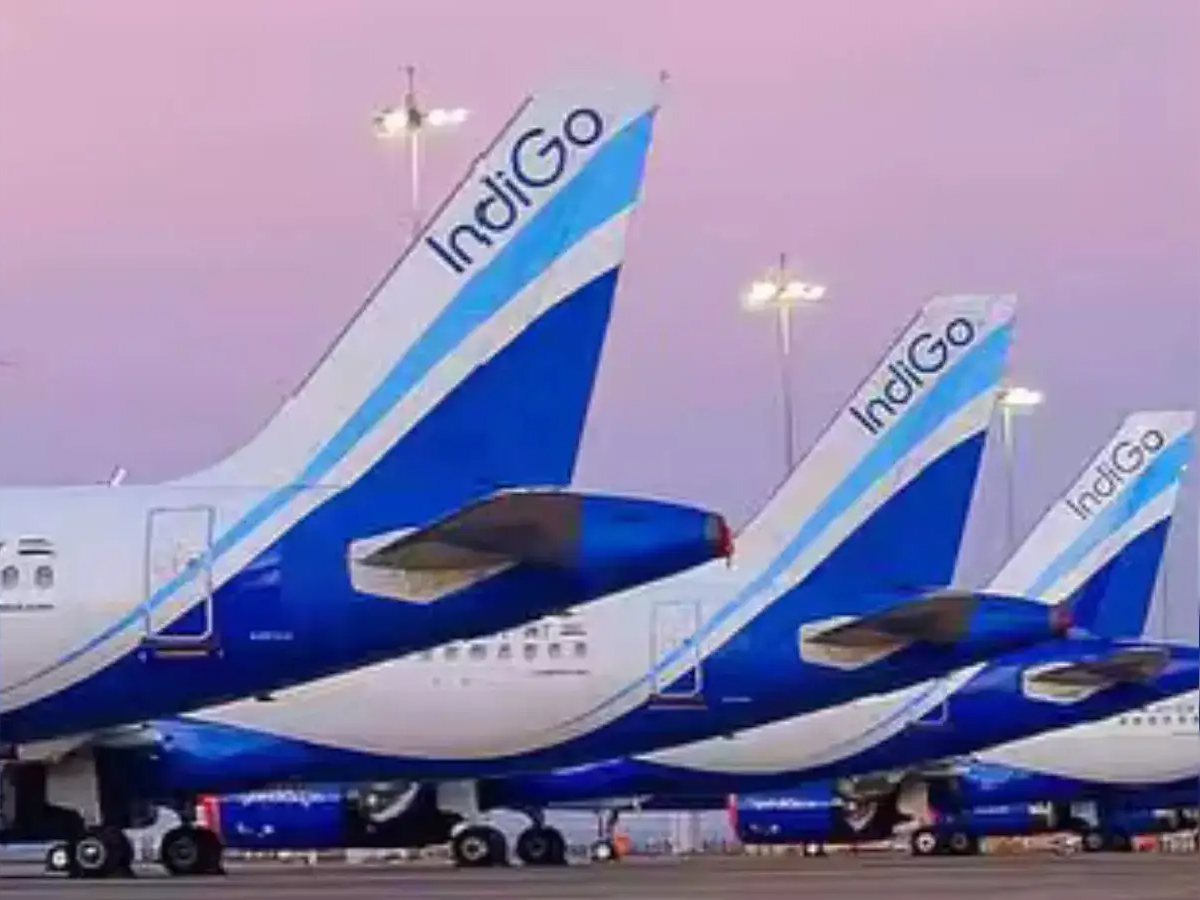
A major travel crisis hit Delhi on Saturday after IndiGo cancelled dozens of departures and arrivals within hours. The disruption left passengers stranded, long queues building up at the airport, and last-minute travel plans collapsing. With the cancellations rising sharply since Friday, Delhi became one of the worst-hit hubs.
The situation triggered a massive shift in travel demand as thousands looked for alternate routes to reach home or continue their journeys.
Railways Step In With Indigo Flight Crisis
The Indian Railways reacted quickly to the crisis. It introduced special trains, added extra coaches, and increased capacity on important long-distance routes. Officials said these trains were arranged to handle the sudden surge in passenger traffic caused by the widespread flight cancellations.
The special services connected major cities such as Madgaon, Bengaluru, Nagpur, Gorakhpur, Lucknow, and Hazrat Nizamuddin. They included all major classes — AC First Class, AC 2-Tier, AC 3-Tier, Sleeper, and General — so travellers from all segments could board without difficulty.
Crowds Rise, Scuffles Break Out at Lucknow Airport
The cancellation wave also led to tense moments inside the terminal. A scuffle broke out at Lucknow airport among passengers after long waiting hours, and repeated delays worsened tempers. Many travellers struggled to reschedule tickets or find room on trains already running at high occupancy due to the festival and winter travel season.
Travel aggregators also stepped in. ixigo announced full refunds of convenience and assured fees for flights cancelled between December 3 and 8, saying, “We understand how stressful flight disruptions can be. Our team is committed to helping ixigoers get quick full refunds and help with alternate bookings.”
IndiGo Says Network Is Back on Track
IndiGo issued a fresh statement on Saturday evening and said it is slowly stabilising operations. The airline shared, “Addressing the recent disruptions in our network, we had cancelled a significant number of flights and operated a little over 700 flights yesterday, connecting 113 destinations. The main objective was to reboot the network, systems, and rosters so that we could start afresh today with a higher number of flights, improved stability, and there are some early signs of improvement. Today, we are on our way to operate over 1500 flights by the end of the day.”
The airline added that over 95% of its network connectivity has been restored, covering 135 out of its 138 destinations.
IndiGo also said, “While we understand that we have a long way to go, we are committed to building back the trust of our customers… We apologise once again.”
Government Caps Airfares to Protect Travellers
To prevent airlines from inflating fares due to high demand, the government issued a directive restricting maximum fares on different route lengths. The caps set limits such as:
- ₹7,500 for routes up to 500 km
- ₹12,000 for routes between 500–1,000 km
- ₹15,000 for 1,000–1,500 km
- ₹18,000 for routes above 1,500 km
These fares exclude additional charges like UDF, PSF, and taxes.
The IndiGo meltdown exposed how quickly air travel can collapse under operational stress. But it also showed how fast the Railways and government stepped in to reduce the chaos. As flight operations slowly recover, travellers hope the worst of the disruption is behind them.