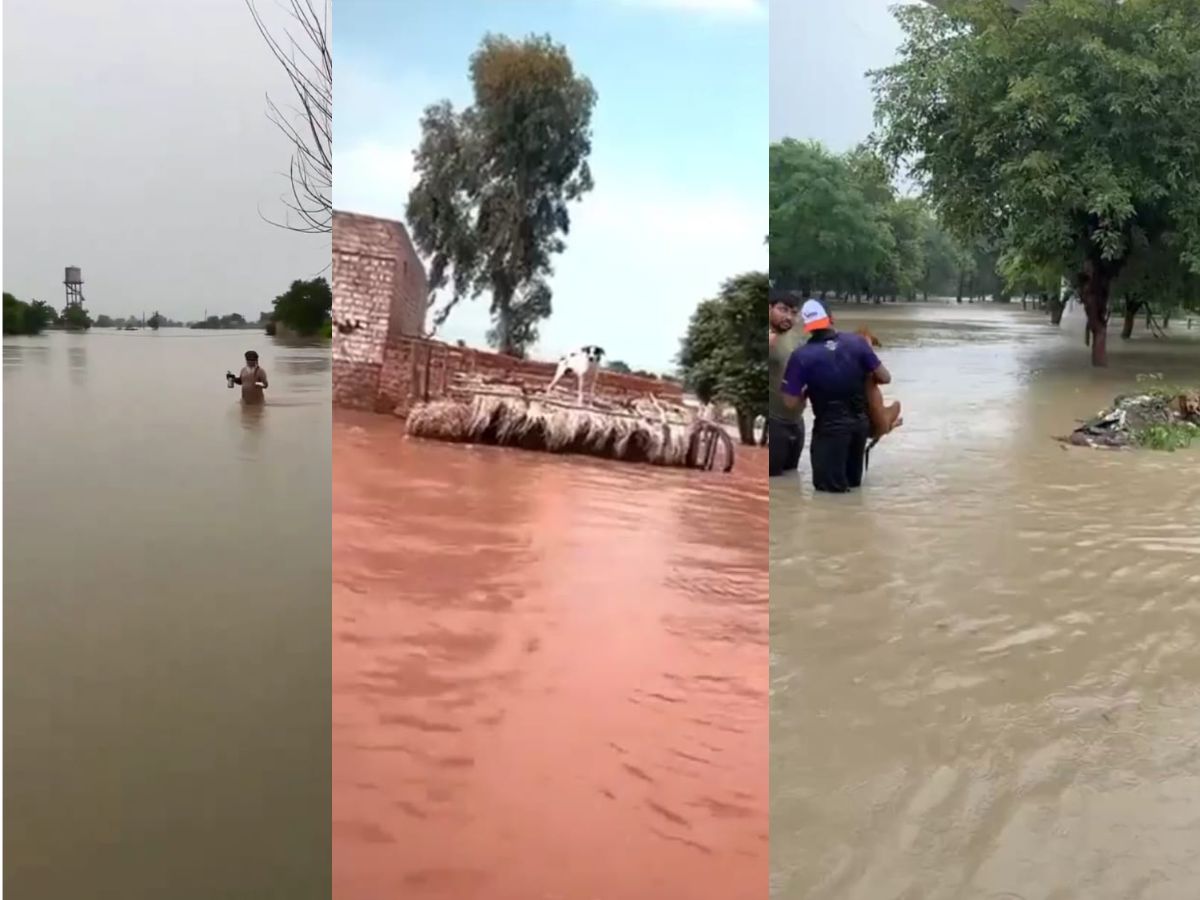
Northern parts of India continue to struggle with floods as heavy rainfall has devastated lives of rewsidents in regions of Punjab, Jammu-Kashmir, Himachal Pradesh, Uttarakhand and other areas. The regions have experienced the two-week wettest period in 14 years, as rain in August-end and starting of September nearly doubled the normal monsoon for the period. It has rained heavily putting average rainfall of 2025 on course for 50-year second highest rainfall.
Experts blame the combination of western disturbances and the monsoon current for the disater on causing cloudbursts and endless rains over Punjab, Himachal Pradesh, Jammu & Kashmir, Uttarakhand, and Delhi.
Impact on Communities and Infrastructure
Punjab has been particularly hard hit, suffering its worst deluge since 1988. About 3.5 lakh residents across 1,655 villages faced displacement, and more than 1.75 lakh hectares of crop land are submerged. The floods killed at least 37 people in Punjab alone by September first week, with many more casualties across Himachal Pradesh and Jammu & Kashmir due to landslides and collapsed infrastructure. Life-threatening cuts in key roads and major sections of Delhi and NCR struggle with flood waters, as the Yamuna river crossed its danger mark and over 10,000 residents were evacuated into relief camps.
#WATCH | Delhi: River Yamuna continues to flow above danger level, parts of the city continue to face a flood-like situation. Visuals from Mayur Vihar area.
(Drone visuals shot at 6.40 am) pic.twitter.com/FOwi6SguM9
— ANI (@ANI) September 6, 2025
School and College Closures
Educational systems are brought to a pause by the closure of schools, colleges, and universities in the impacted states of Punjab, Himachal Pradesh, Jammu & Kashmir, and the Delhi NCR area until September 7. It’s a precautionary shutdown as authorities rush to save students and pull out families stuck in debris.
Ongoing Rescue and Relief Operations
Emergency and relief squads of the NDRF, Army, and state governments work non-stop to evacuate the affected persons. There are at least eight relief camps in Punjab with thousands of evacuees as the military continues to conduct repair work and rescue operations near breached dams and embankments.
Looking Ahead
The India Meteorological Department has also issued alerts on possible additional heavy rain, particularly in Uttar Pradesh and Uttarakhand, which leaves lakhs of people at risk of flash floods and additional agricultural loss. Prime Minister Modi is set to visit the flood-hit areas in the near future to examine the extent of the situation and the relief work undertaken.
North India’s flood emergency is a harsh reminder of the imperative necessity of strong disaster preparation and climate resilience as severe weather becomes more common.