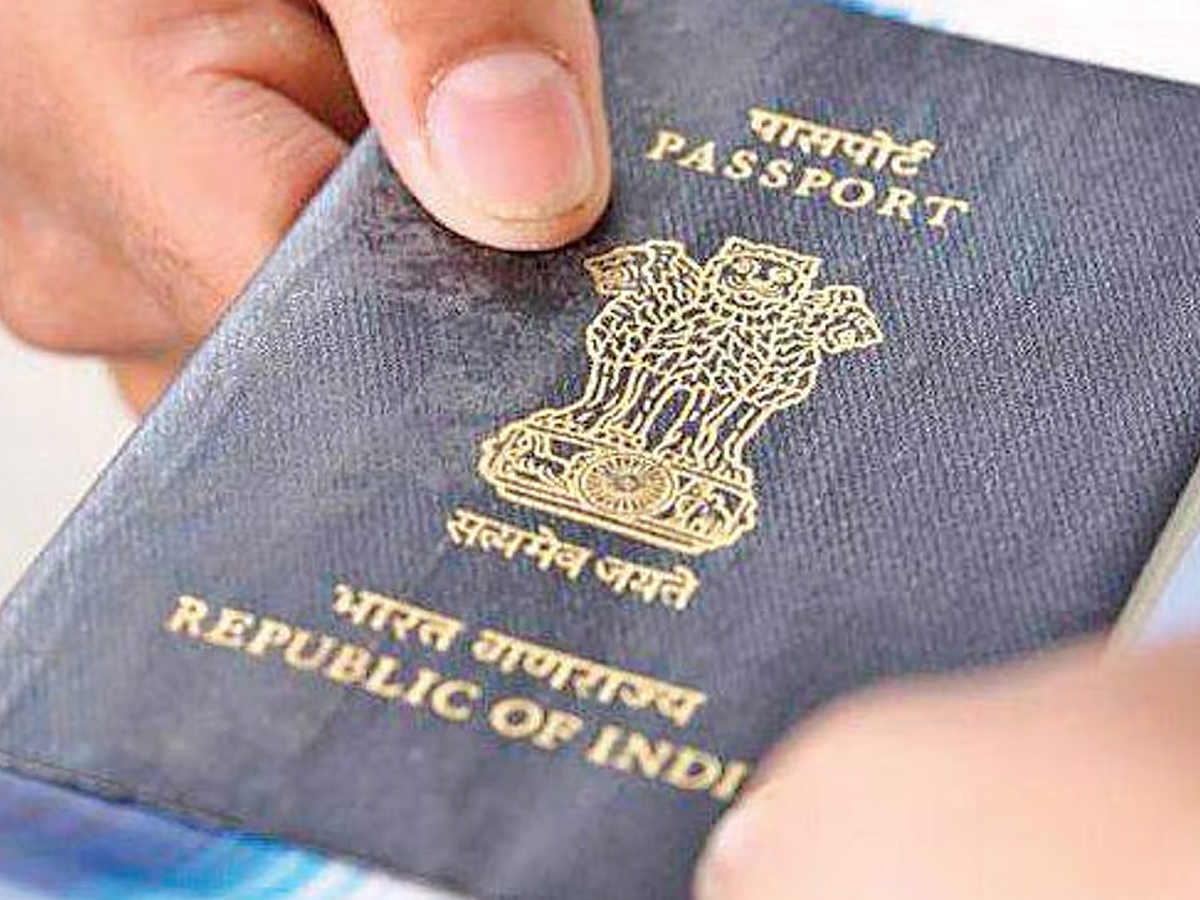
India changed the Overseas Citizen of India (OCI) card regulations significantly. This card allows people of Indian origin, who are foreign nationals, to visit India without a visa. The Ministry of Home Affairs issued a gazette notification announcing that an OCI card can now be cancelled in certain situations.
If an OCI holder is convicted of a serious criminal offence or is formally charge-sheeted in cases involving grave charges, their card may be cancelled.
Key Grounds for Cancellation
The government has listed two main reasons for cancelling OCI cards:
- If the person is sentenced to jail for two years or more.
- If the person is charge-sheeted for a crime that has a punishment of seven years or more.
The notification states, “In exercise of the powers conferred by clause (da) of section 7D of the Citizenship Act, 1955 (57 of 1955), the central government hereby states that an Overseas Citizen of India (OCI) registration shall be liable to get cancelled when a person has been sentenced to imprisonment for term of not less than two years or has been charge-sheeted for an offence entailing punishment of imprisonment for seven years or more.”
Reason Behind the Move
According to Home Ministry officials, this step will strengthen the legal system for OCI status. The OCI card gives some rights and benefits to foreign citizens of Indian origin.
Officials clarified that the rule applies even if the crime happened outside India, as long as the offence is recognised under Indian law.
READ MORE: Hajj Qurrah 2026: How to Check Results, Step-by-Step Guide & Official Link
This change means the government will now keep a closer watch on OCI holders and link the card’s privileges with strict legal and moral standards.
Concerns Over New Rules
Legal experts say that being convicted has always been a reason for cancelling OCI registration. But adding “charge-sheeting” before a court decision could raise concerns over due process and the possibility of misuse.
OCI holders implicated in major instances such as financial fraud, organised crime, and other offences under Indian law may be impacted by the rule.
About the OCI Scheme
The OCI scheme began in August 2005. It allows foreign nationals of Indian origin to travel to India without a visa. It also gives them long-term residency and multiple entry benefits.
The scheme is available to anyone who was a citizen of India on or after January 26, 1950, or was eligible to become one on that date. However, it does not apply to people who are, or have been, citizens of Pakistan, Bangladesh, or any other country the government names in the official gazette.
MUST READ: Har Ghar Tiranga 2025: How to Participate This Independence Day