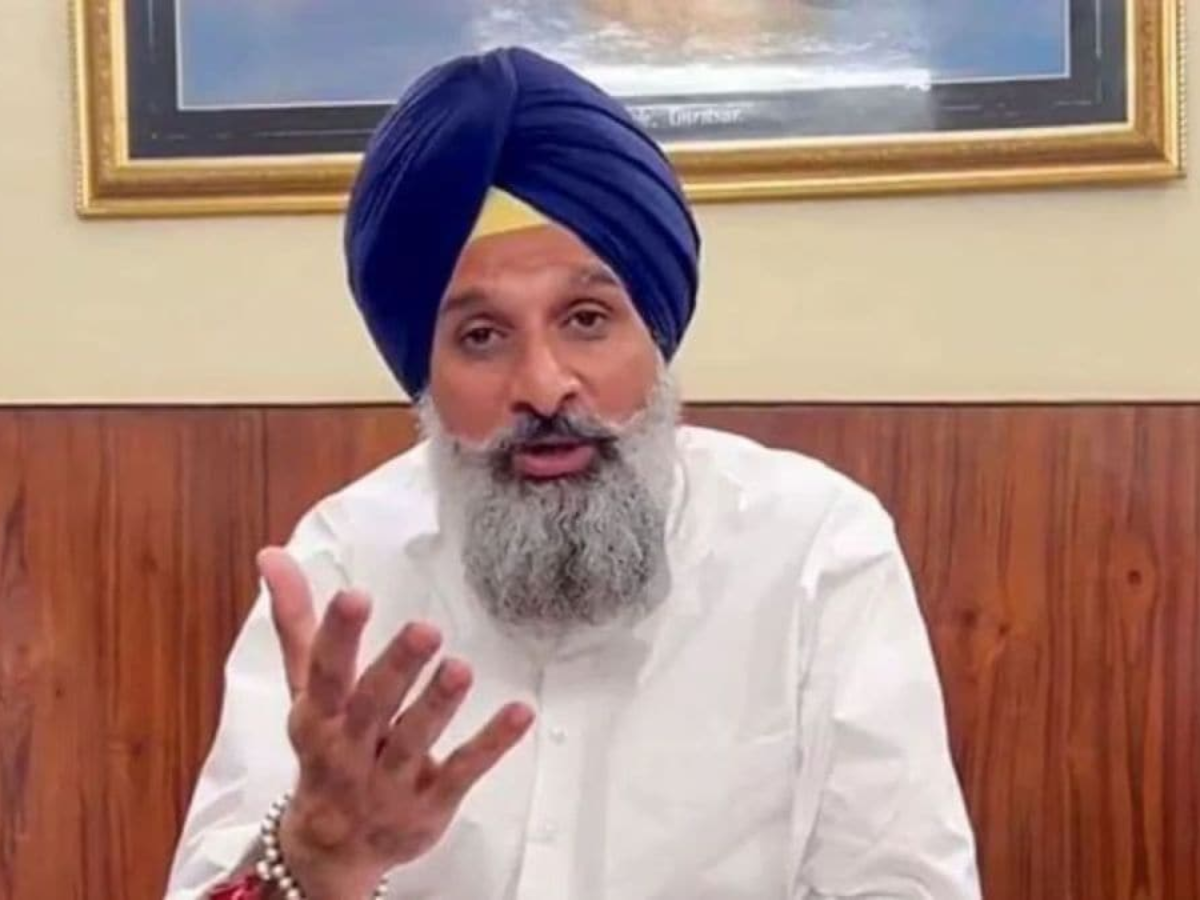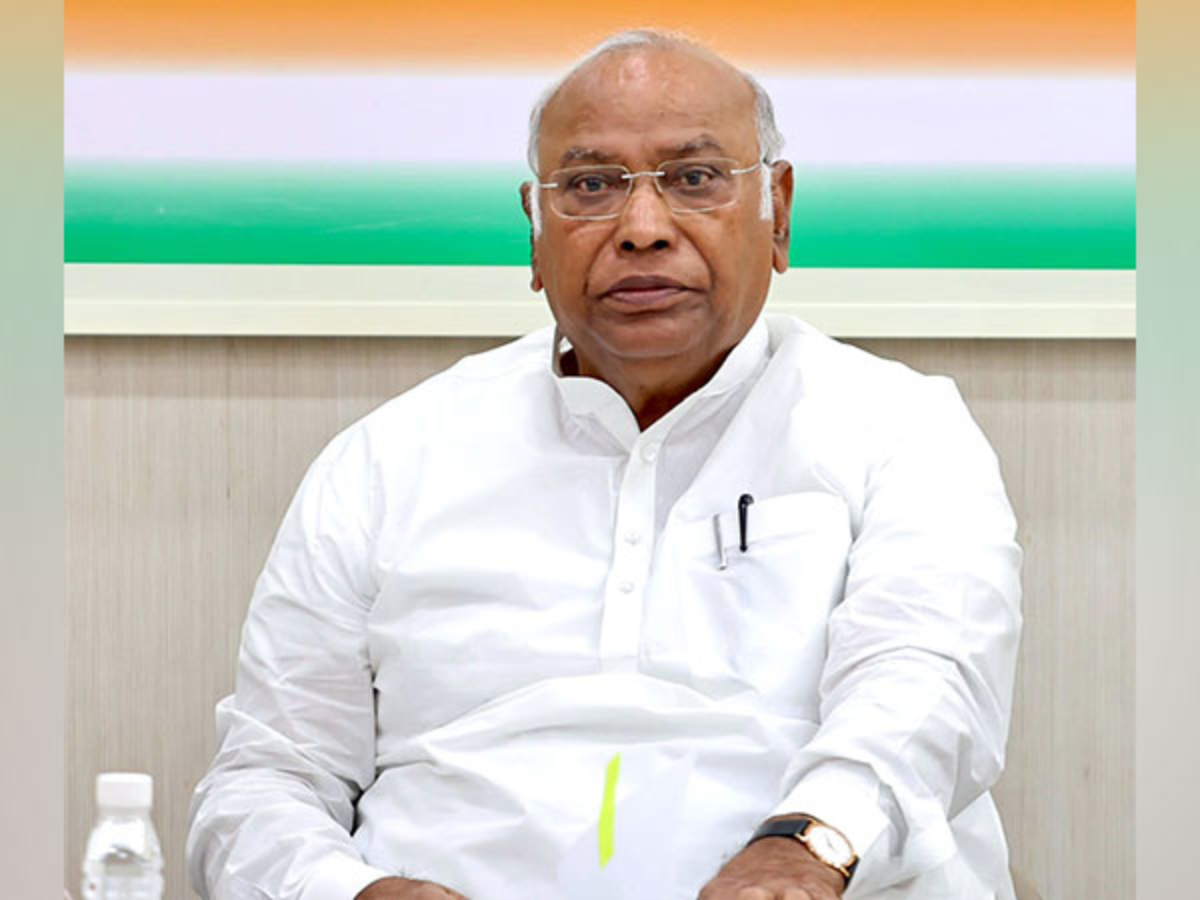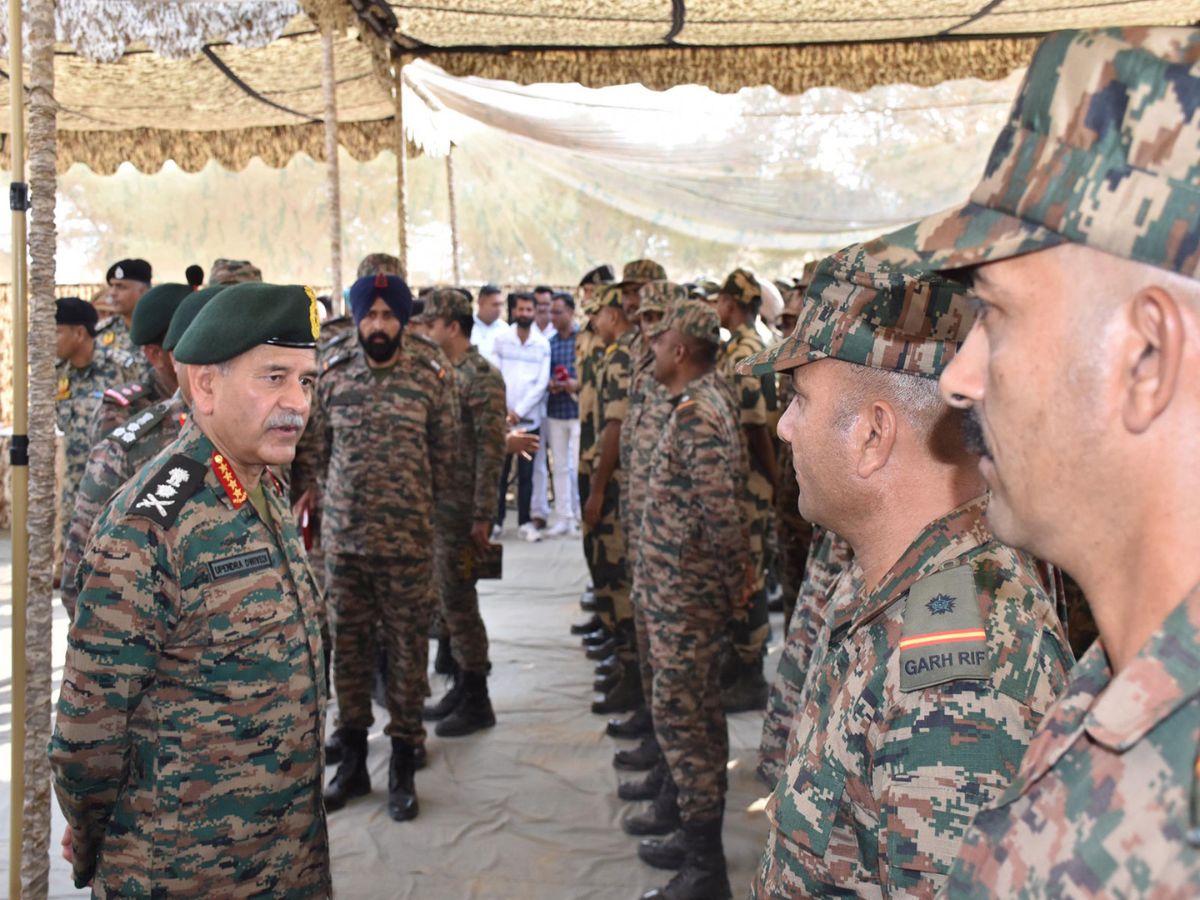
The verbal crossfire between India and Pakistan has intensified after India’s Army Chief General Upendra Dwivedi warned Pakistan to stop its sponsorship of terrorism “if it wants to retain its place on the world map.” Responding on Saturday, October 4, Pakistan’s Army Chief Field Marshal Asim Munir cautioned that a future conflict could cause “cataclysmic devastation” and declared that Pakistan can take the fight “to every nook and corner” of Indian territory.
The Pakistani military branded the recent statements by India’s defence minister and service chiefs as “delusional, provocative and jingoistic.” Their counter-threat — “the erasure will be mutual” — pointedly addressed Dwivedi’s remark, underscoring the risks of escalating hostilities in South Asia.
What Sparked the Latest Exchange?
On October 3, General Dwivedi sharpened India’s message to Pakistan, accusing it of actively sponsoring terrorism. The comment came a day after Defence Minister Rajnath Singh said India “can cross any border whenever necessary” in self-defence. Dwivedi also made it clear that the restraint shown during Operation Sindoor in May would not be repeated in the event of future conflict.
Air Chief Marshal AP Singh added fuel to the fire by claiming that Indian strikes during Operation Sindoor destroyed or damaged “at least a dozen” Pakistani military aircraft, including US-made F-16s, in retaliation for May’s terror attack in Pahalgam, Kashmir.
What was Pakistan’s Counter-Narrative
In an officially released statement, the Pakistan Army warned that any fresh hostilities could lead to devastating consequences for the entire region. They accused New Delhi of “fabricating arbitrary pretexts for aggression,” suggesting that India might be preparing for another operation similar to Sindoor. Pakistan’s leadership made it clear: any conflict, if triggered, would meet with an unrestrained military response.
They also responded strongly to Rajnath Singh’s separate warning over Sir Creek, a strategic estuary between Gujarat and Pakistan’s Sindh province. Islamabad insisted that misadventures in this sector would be met with decisive force, potentially altering “history and geography” itself.
Also Read: Supermoon October 2025: When, Where & How to Watch | Stunning Lunar Event
Strategic Moves Beyond the Border
While military rhetoric dominated headlines, Pakistan reached out to US officials with a strategic economic proposal – building and operating a terminal in Pasni, a port town in Gwadar District, Balochistan. This plan would give American investors access to Pakistan’s rich mineral resources, and could carry geopolitical weight in the rivalry with India.
Observers link this initiative to the warmer ties between Pakistan and the US under President Donald Trump, who once claimed he “stopped the war” between India and Pakistan, a claim rejected by Delhi as misleading. India maintains it agreed to a ceasefire only after Pakistan requested it.
Disclaimer: The information presented is based on verified news reports and reflects statements by official representatives of both nations.