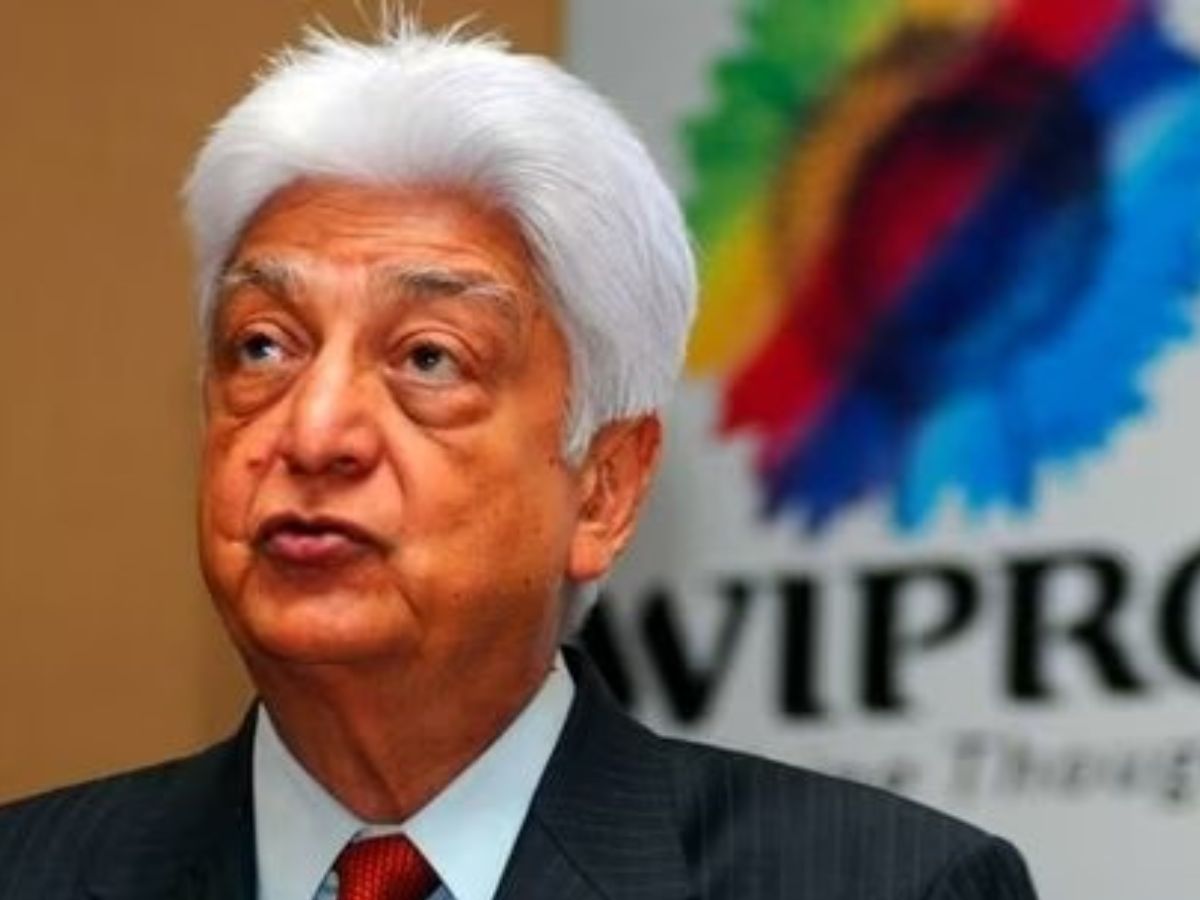
Recently, Wipro founder and chairman Azim Premji declined Karnataka Chief Minister Siddaramaiah’s request to open the Wipro campus road in Bengaluru for public traffic. The proposal aimed to reduce congestion on the Outer Ring Road (ORR) near Iblur junction, a key traffic hotspot. However, Premji maintained that the road is part of private property and cannot be used as a public thoroughfare.
Why the Road Remains Closed
Premji outlined multiple reasons for the decision:
-
Private Property Rights: The Wipro campus is private, and opening it for public use could create legal and governance challenges.
-
Security Concerns: Public access could pose safety risks to employees and visitors.
-
Temporary Solution: Simply opening the road would not provide a long-term solution to Bengaluru’s traffic issues.
He emphasized that any action should be sustainable and well-planned, rather than a quick fix.
Proposed Alternatives
While rejecting the request, Premji expressed Wipro’s willingness to support a scientific study on traffic management in the ORR area. The study would involve experts and urban planners to identify practical, long-term solutions for the city’s congestion. Wipro is reportedly ready to partially fund this initiative to improve traffic flow responsibly.
Public and Political Reactions
The decision has sparked discussions nationwide. Many praised Premji for upholding private property rights, while some critics questioned the company’s social responsibility. Politicians also highlighted the government’s challenges in managing urban infrastructure and finding long-term solutions for Bengaluru’s traffic problems.
Azim Premji’s decision to keep the Wipro campus road closed highlights the importance of balancing private property rights with civic responsibility. While the road will not open to public traffic, the proposed urban transport study could offer a more sustainable solution for Bengaluru’s persistent traffic woes, ensuring safety, efficiency, and long-term planning.
Also Read: Who Is the World’s Oldest Person in 2025? Exploring the Secrets of Extraordinary Longevity