
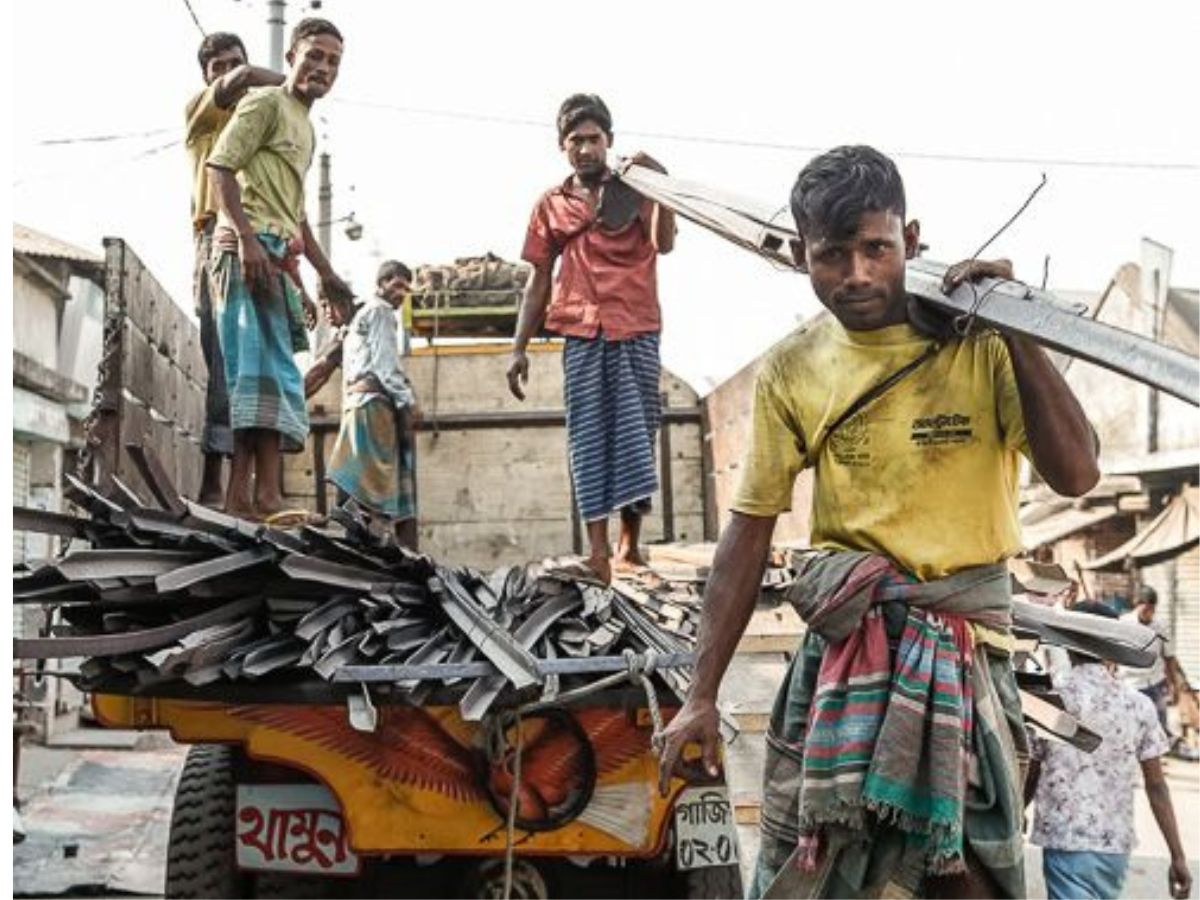
The Labour Codes represent a landmark legislative effort by the government of India to consolidate and modernize 29 existing, often archaic, central labor laws into four comprehensive codes.
The main objective of such reform lies in simplifying compliances, thereby promoting ease of doing business and extending the benefits and safety nets to a larger percentage of the workforce.
The four codes are the Code on Wages, 2019; the Industrial Relations Code, 2020; the Occupational Safety, Health, and Working Conditions (OSH) Code, 2020; and the Code on Social Security, 2020. After several deferrals, these codes and their corresponding rules have been officially notified and brought into effect.
New Labour Code: Expanded Social Security and Wages
One key change is in the eligibility period for gratuity payments for fixed-term workers. This now comes after one year of continuous service, significantly down from five years.
Above all, the codes require a national minimum wage for all workers, hugely increasing the scope of the earlier system, which had been limited to a small number of “scheduled” industries.
Also Read: PM Modi in South Africa: 5 Major Moments from His G20 Summit Trip
Focus on Fixed-Term Employees and Benefits
To encourage formal employment, the codes ensure a level playing field for fixed-term employees with the permanent staff: receiving comprehensive benefits on par with that of permanent staff, such as leave, medical benefits, and regulated working hours.
In fact, it has been codified that no worker can be employed without an appointment letter in writing. All salaries are required to be paid on due dates, with a specific requirement for IT companies to pay before the 7th of every month.
Inclusion of Gig and Platform Workers
For the first time in Indian law, the codes formally define and address gig and platform workers, recognizing their non-traditional employer-employee relationship.
The Code on Social Security, 2020, now defines a gig worker as “a person who participates in a work arrangement and earns from such activities outside of a traditional employer–employee relationship,” thus setting the precedent for future social security benefits in this burgeoning sector.
Safety, Health, and Women’s Empowerment The reforms introduce mandatory provisions for worker well-being, including a requirement for employers of every industry to provide annual medical check-ups free of cost to workers above the age of 40, promoting preventive healthcare.
The new framework also goes a step forward toward gender equality by allowing women to work in night shifts and enter previously restricted “hazardous” industries, such as mining.
These are subject to the consent of the woman and adequate safety measures by the employer in order to enhance the female labor force participation rate.
The enrollment with ESIC is now also made mandatory even for small establishments dealing in hazardous processes, ensuring coverage all over the country.
The new labor codes aim to strike a balance between granting companies more flexibility in hiring and retrenchment while increasing the social security net and enhancing protection, safety, and gender parity in the workplace.
Also Read: PM Modi Unveils Four New Vande Bharat Trains on Varanasi Routes