India celebrates National Handloom Day every year on August 7, which is a tribute to the timeless art of weaving and the skilled artisans who sustain the legacy. The Handloom Day marks the launch of the Swadeshi Movement in 1905, which encouraged Indians to embrace local products and boycott foreign goods. Handlooms soon became powerful symbols of resistance, cultural pride, and national identity.
This National Handloom Day, we go beyond just celebration—it’s time to consciously support Indian weaves, which continue to empower communities, preserve ancient traditions, and offer sustainable fashion alternatives.
India’s Handlooms: Threads That Tell Stories
Indian handlooms are from the eco-friendly cottons of the East to the regal silks of the South, and are more than just clothing. They are stories woven with workmanship, legacy, and identity. Here, we identified eight Indian handlooms that you should be aware of, support, and wear, and these should be in your cupboard.
1. Kanjivaram (Tamil Nadu):
This handloom is vibrant in color, contrasting with temple designs. These silk Kanjivaram saris are famous in South India and are frequently referred to as the “Queen of Silks.” They are essential for weddings and other festive events because of their longevity, depth, and vibrant colors.
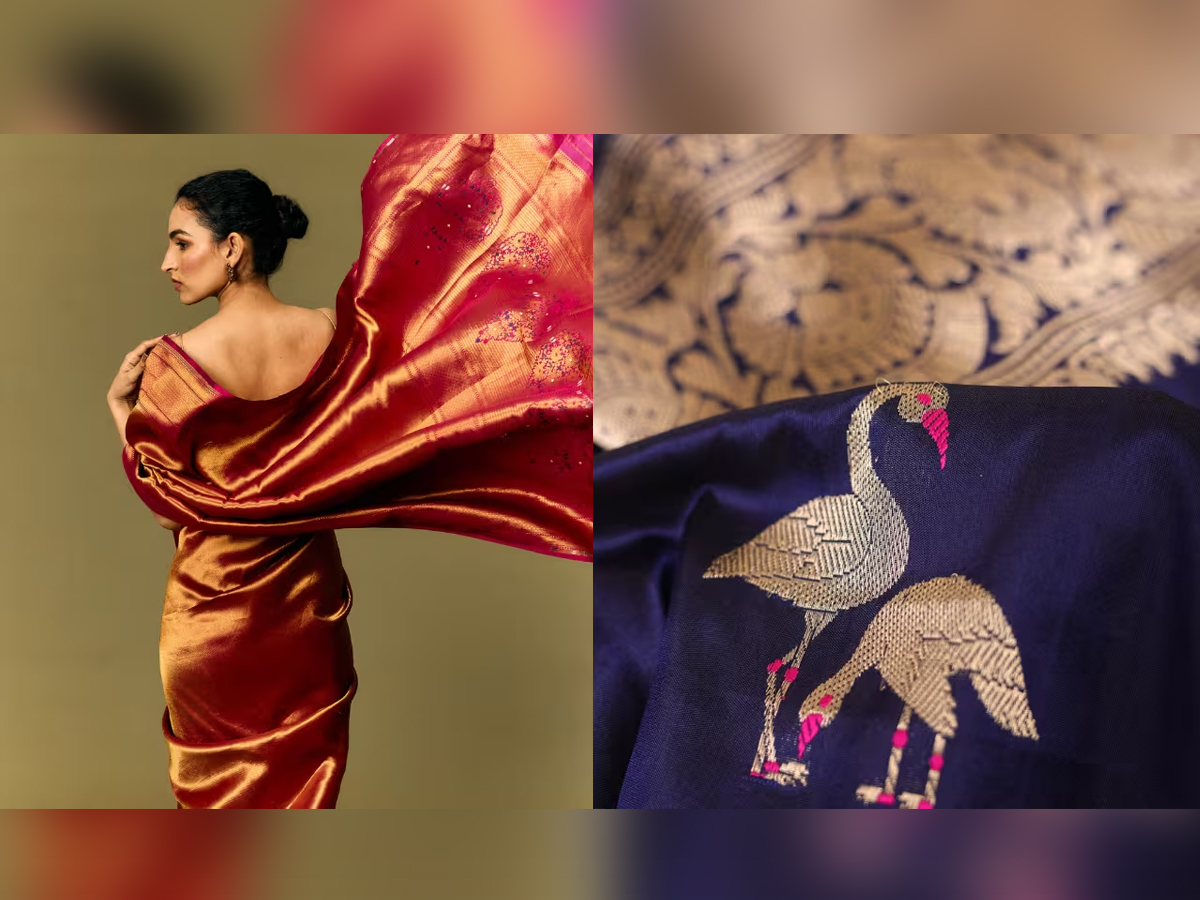
2. Banarasi (Uttar Pradesh):
This handloom elaborate zari embroidery and motifs with Mughal influences, Banarasi saris, which are woven in the holy city of Varanasi, are frequently worn for ceremonial events and large festivals. They feature paisleys, florals, and jali (net) work.
3. Chanderi (Madhya Pradesh)
Chanderi or Chandani saris combine comfort and style, making them appropriate for both special occasions and everyday use. Made of lightweight, sheer cotton with traditional butis, these are the beauty of Banaras.
4. Pochampally Ikat (Telangana)
This is known for geometric patterns via the Ikat dye technique. A proud GI-tagged weave, Pochampally saris stand out for their precision and symmetrical designs.
5. Patola (Gujarat)
Famous for: Vibrant geometric designs and Double Ikat. Once reserved for royal families, patola saris are now highly valued for their intricate craftsmanship and collecting value.
6. Baluchari (West Bengal)
These are renowned for using Pallu drawings to narrate myths. Epic stories are frequently portrayed in Baluchari saris, transforming each item into a “wearable epic” that highlights Bengal’s creative skill.
7. Muga Silk (Assam)
renowned for its remarkable longevity and inherent golden gloss. Because of their durability and scarcity, Muga silk saris, which are exclusive to Assam, have been handed down as heirlooms for centuries.
8. Ilkal (Karnataka)
Renowned for its “tope teni” weaving style and contrasting borders. Ilkal saris, which have eye-catching red borders and are made of a cotton-silk blend, are both comfortable and stylish. Selecting handlooms is more than just a style choice; it’s a commitment to sustainability, support for artists, and history preservation.
Let us honor the weavers by embracing and fostering these rich traditions as India commemorates National Handloom Day.