
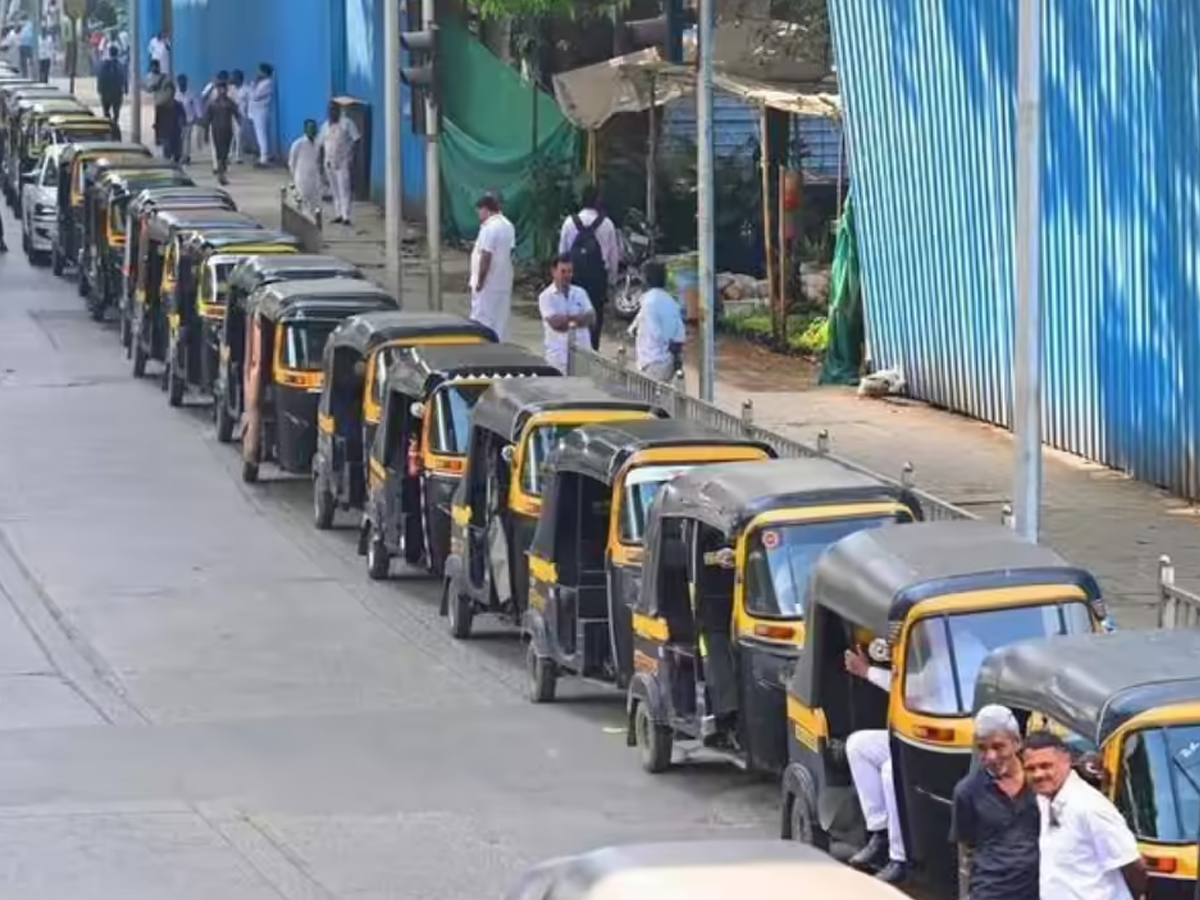
A large part of Mumbai’s transport network returned to normal on Wednesday afternoon after CNG supply resumed across all pumps in the Mumbai Metropolitan Region. Thousands of autorickshaws, taxis, and other CNG-run vehicles had struggled for fuel for nearly two days due to a sudden disruption caused by major pipeline damage. The situation had brought parts of the city to a halt and triggered unusually long queues at stations.
Officials confirmed that the full CNG supply restarted at 3:45 pm, bringing immediate relief to drivers and commuters who faced delays and rising fares throughout the disruption.
What Triggered the Crisis?
The problem began when a key gas pipeline connected to the CGS Wadala facility stopped functioning. Mahanagar Gas (MGL) said the damage affected the flow across its entire network, which pushed dozens of CNG stations in Mumbai, Thane, and Navi Mumbai to reduce output or temporarily stop operations.
The disruption hit the city’s vast CNG ecosystem hard. The Mumbai Metropolitan Region has 398 CNG pumps, with 152 located inside Mumbai city. Many of these pumps reported extremely low pressure and could not operate at normal capacity.
As supply dropped, autorickshaw and taxi drivers rushed to stations, creating long queues that stretched several kilometres in some areas. The shortage also pushed many drivers to increase fares, causing inconvenience to daily commuters.
Impact on Public Transport
Despite the wide disruption, Mumbai’s largest public bus service remained unaffected. Sucheta Utale, the public relations officer of Brihanmumbai Electric Supply and Transport (BEST), confirmed that operations continued smoothly.
BEST operates around 1,250 CNG buses, and the agency said it had enough backup arrangements to avoid service disruption.
Citywide Chaos Before Restoration
For two days, autorickshaw and taxi stands struggled to function. Many drivers waited for hours for their turn at pumps, while others refused rides due to the uncertainty around fuel availability. Several parts of the city reported commuter rush as CNG vehicle availability dipped sharply.
Petrol dealers also said that low-pressure stations could only dispense limited gas, which further slowed refuelling and increased congestion at pumps.
Supply Finally Normalises
Authorities worked through the night to restore the damaged pipeline and stabilise the network. By Wednesday afternoon, the system returned to full capacity, and all pumps started normal operations.
With supply restored, queues quickly thinned, and transport services across the region began returning to their usual pace. Commuters and drivers welcomed the update, as the disruption had caused significant inconvenience during peak weekday travel hours.