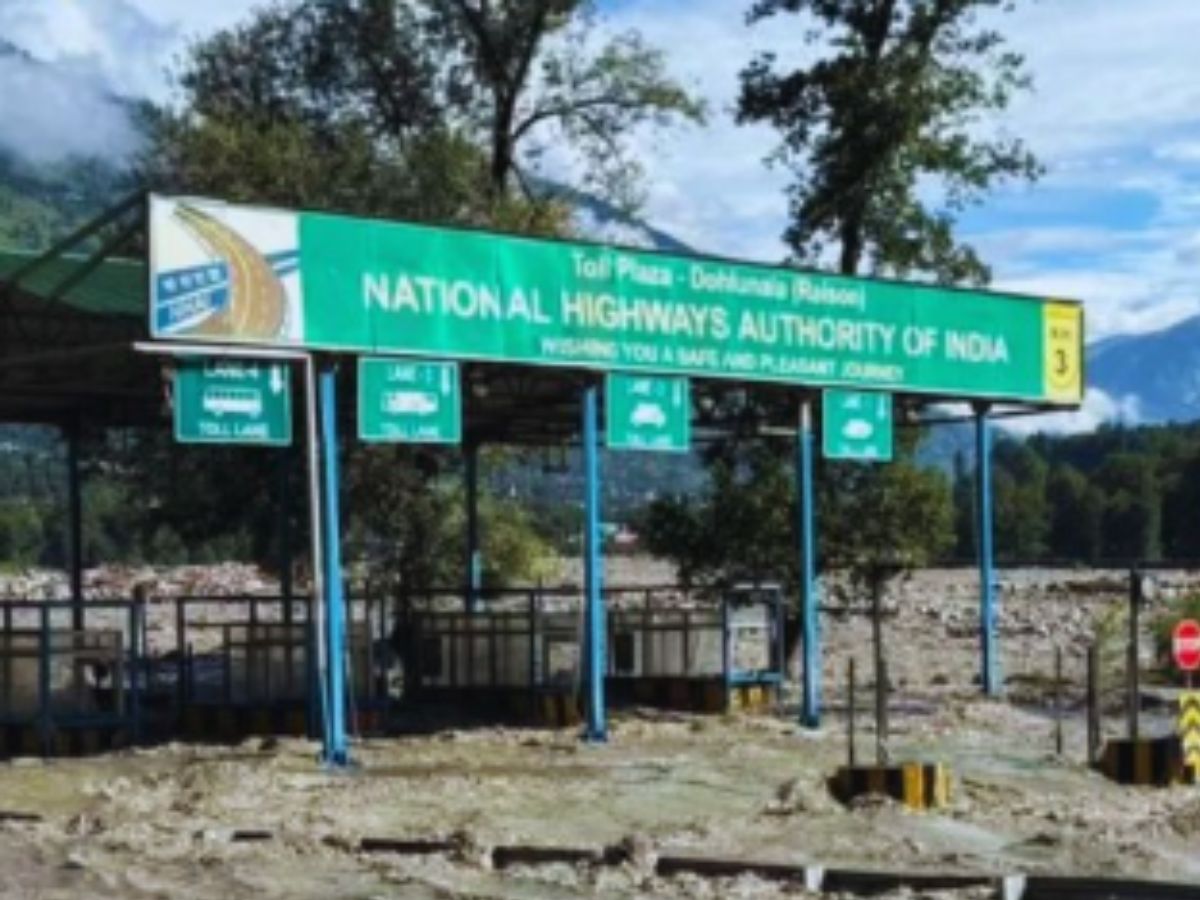
Himachal Pradesh continues to reel under the fury of monsoon rains, which have severely damaged the state’s infrastructure. According to the State Disaster Management Authority (SDMA), 819 roads including three national highways 1,236 electricity transformers, and 424 water supply schemes have been disrupted across the region.
Rising Death Toll
Since June 20, the cumulative death count in the state has reached 320, the SDMA said. Of these, 166 were caused by rain-related incidents such as landslides, flash floods, and electrocution, while 154 occurred in road accidents. The rain has claimed lives in multiple ways, including 33 by drowning, 17 in cloudbursts, 14 due to electrocution, 11 in landslides, and 9 in flash floods, with others succumbing to lightning strikes, snake bites, or falls from steep terrain. Road accident fatalities were notably high in Chamba (22), Mandi (22), Kangra (19), and Shimla (16).
Road Network Severely Damaged
The state’s road connectivity has been badly affected, with major blockages reported on NH-03, NH-05, and NH-305. Numerous rural link roads have been cut off by landslides and debris flows. Districts facing the worst impact include Chamba (253 roads), Mandi (206), Kullu (175), and Kangra (61).
Electricity distribution has also suffered significantly, with 1,236 distribution transformers (DTRs) damaged or non-functional. Districts hardest hit by power outages include Kullu (357), Chamba (296), Una (330), and Mandi (177).
Water Supply Affected
Water services have been interrupted in 424 schemes, affecting both drinking water and irrigation. The most impacted areas include Chamba (77 schemes), Kullu (39), Mandi (56), and Shimla (32).
Authorities have deployed multiple teams to repair roads, restore electricity, and fix water supply systems. However, ongoing heavy rainfall and difficult access to high-altitude areas continue to slow the restoration process.
Massive Economic Losses
From June 20 to August 30, the state has suffered estimated damages of ₹3,04,207.46 lakh, covering losses to lives, livestock, agriculture, horticulture, houses, shops, factories, public utilities, and other infrastructure. The monsoon’s relentless impact has not only disrupted daily life but also strained emergency services and relief efforts. Officials warn that the financial burden could rise further as more remote areas report damages that are difficult to assess immediately.
Looking Ahead
The SDMA and local administrations are closely monitoring weather forecasts, urging residents to exercise caution. Evacuation plans, early warning systems, and relief camps have been activated in high-risk areas, while engineers work round-the-clock to reopen roads, restore electricity, and resume water supply. Authorities emphasize the need for community cooperation and preparedness as the monsoon season is expected to continue for several more weeks.
Also Read: Ukraine Caught in Crossfire of Geopolitics, Ex-US Intelligence Officer Alleges