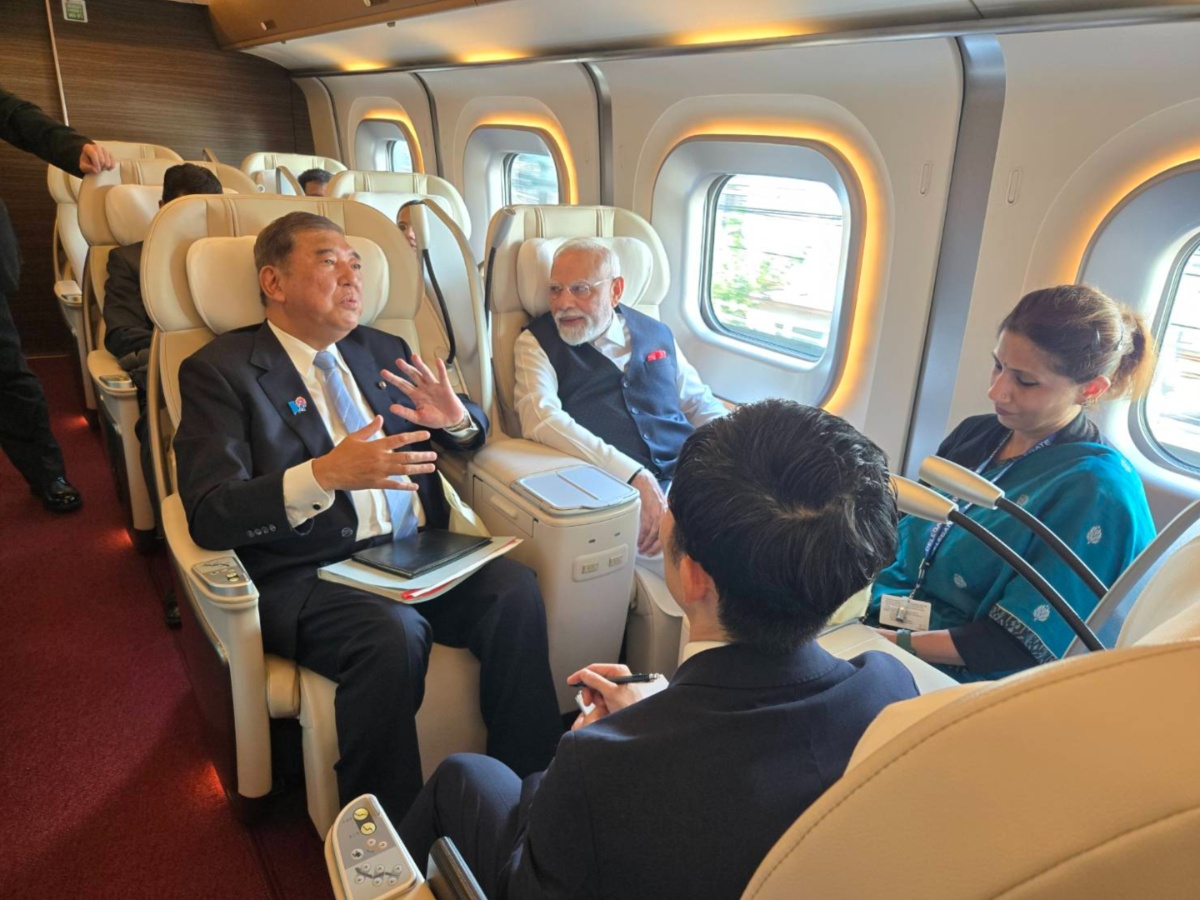
Prime Minister Narendra Modi received a heartfelt welcome in Japan and people addressed him as “Modi-san.” The phrase carried more than politeness and it reflected Japanese culture, values, and respect and in Japanese society, honorifics show deep regard. The use of “san” for Modi underlined not only courtesy but also recognition of India’s growing role. This welcome took place as his visit focused on economic cooperation, security ties, and cultural partnerships while the expression “Modi-san” stood as a symbol of friendship between the two nations.
The Meaning of “San” in Japanese Culture
In Japanese, “san” is the most common honorific suffix. People use it after surnames or given names while it carries a tone of respect, similar to “Mr.” or “Ms.” in English. However, the meaning is deeper. It reflects humility and equality. By adding “san,” Japanese speakers show that they value the other person. The use does not depend on rank or age. Instead, it creates a balance of dignity in communication.
Read More: $68 Billion in 10 Years: Japan Unveils Major Investment Plan for India
Why “Modi-San” Holds Importance
The phrase “Modi-san” goes beyond language. It shows that the Japanese public placed the Indian Prime Minister in their circle of respect. They did not treat him as a foreign leader standing apart. Instead, they saw him within their tradition of courtesy while such usage highlighted Japan’s cultural emphasis on harmony. It also marked India’s rising status in global politics and for Modi, being addressed as “san” symbolized acceptance within Japan’s cultural framework.
How Japanese People Use Honorifics Daily
Japanese society values respect in every interaction. Honorifics like “san,” “kun,” and “chan” appear in daily life. People add “san” when addressing colleagues, acquaintances, or even strangers. For example, a person named Sato becomes “Sato-san.” The suffix softens conversation and reduces distance. In workplaces, schools, and social circles, “san” keeps communication polite. Foreign guests also receive the same treatment. By using it for Modi, Japanese people extended their cultural practice to international ties.
Read More: PM Modi in Japan: Know What India Imports & Exports with Japan
Strengthening Ties Through Culture
The “Modi-san” welcome illustrated the depth of India-Japan relations and both nations value tradition, respect, and cooperation but while agreements on trade and security formed the core of Modi’s visit, cultural gestures added warmth. Honorifics like “san” bridged linguistic gaps while they carried a message of mutual regard and this small but powerful suffix showed how language can strengthen diplomacy.