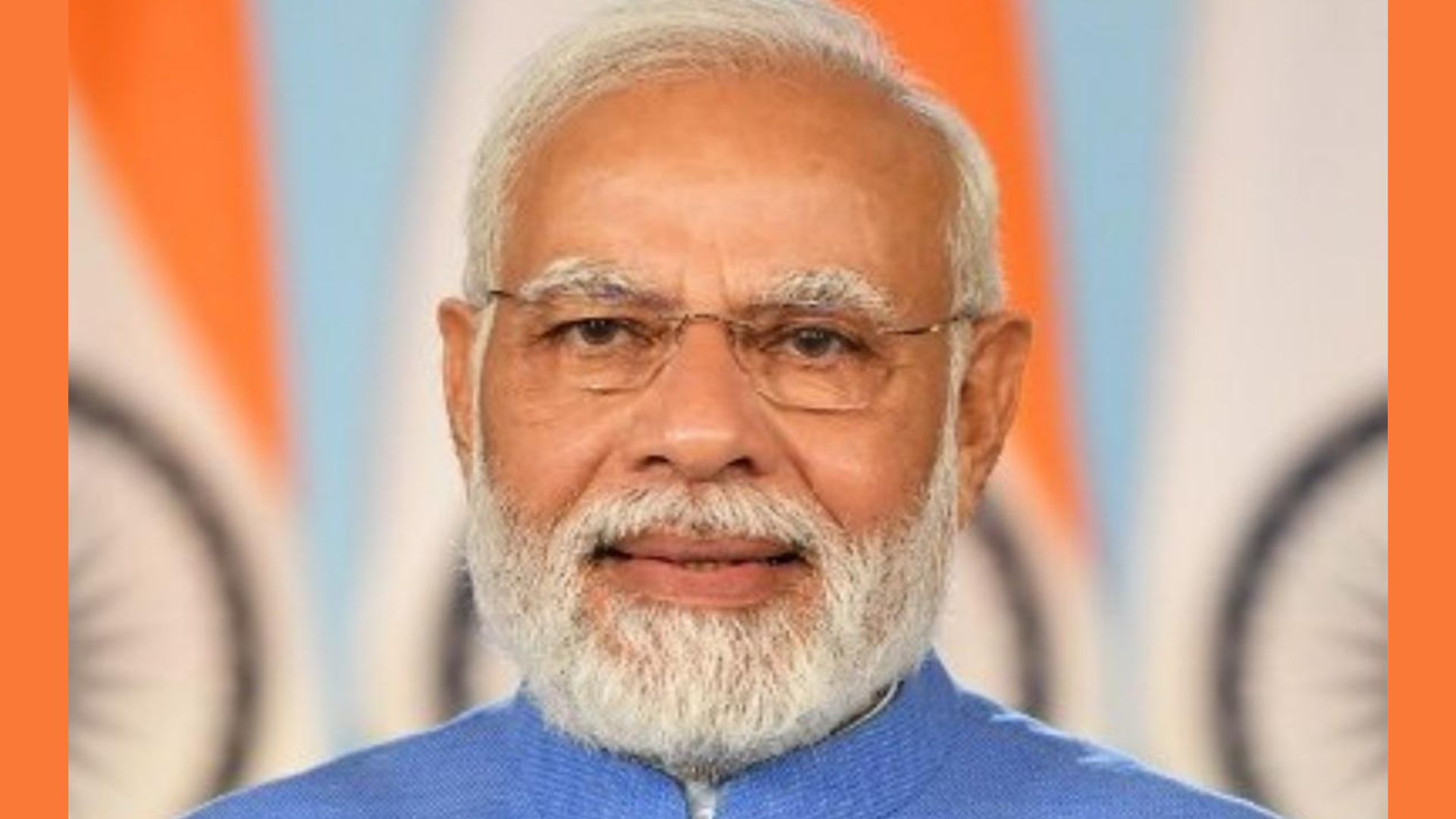
Prime Minister Narendra Modi, while chairing the National Democratic Alliance (NDA) parliamentary meeting on Tuesday, strongly criticised former Prime Minister Jawaharlal Nehru for signing the Indus Water Treaty with Pakistan. According to sources, Modi stated that Nehru had later admitted through his secretary that the agreement had brought no benefit to India.
Nehru’s “Second Partition”
Modi pointed out that Nehru had divided the country not just once during the partition with the Radcliffe Line, but also a second time by signing the Indus Water Treaty. He explained that the treaty allocated 80 percent of the river waters to Pakistan and described it as anti-farmer.
BJP Leaders Echo Modi’s Remarks
Several BJP leaders supported the Prime Minister’s observations.
Jagdambika Pal, BJP MP, said that the treaty amounted to a betrayal. He argued that if Nehru had been elected in a democratic process, he should have sought Parliament’s approval before signing such a significant agreement. Pal said that Nehru had gone to Pakistan and signed the treaty without consulting the Cabinet or Parliament, which in his view was a betrayal of farmers.
Ravi Shankar Prasad, another BJP MP, welcomed the Prime Minister’s statement. He said they were proud that Modi had presented the facts. He alleged that Nehru had signed the treaty without discussion in the Cabinet or Parliament and had even given Rs 80 crore to Pakistan, whereas any such agreement should normally follow Parliamentary debate.
India’s Current Stand on the Treaty
The debate comes as India has already dismissed a recent ruling by the Hague-based Court of Arbitration on the Indus Waters Treaty. India argued that the court had no jurisdiction, legitimacy, or competence to issue such an award.
Foreign Ministry spokesperson Jaiswal clarified during a briefing that India had never accepted the legality or standing of the so-called Court of Arbitration. He said that its rulings carried no jurisdiction, had no legal value, and could not affect India’s rights to use the waters.
After the Pahalgam terrorist attack in April, which killed 26 people, India also decided to suspend the Indus Waters Treaty. The government declared that the pact would remain in abeyance until Pakistan credibly and irreversibly gave up its support for cross-border terrorism.
Background on the Indus Waters Treaty
The treaty was signed in 1960 after nine years of negotiations between India and Pakistan, with the World Bank also acting as a signatory. Under the agreement, Western rivers (Indus, Jhelum, Chenab) were allocated to Pakistan, while Eastern rivers (Ravi, Beas, Sutlej) were given to India.
NDA Vice Presidential Candidate Introduced
At the same NDA meeting, Prime Minister Modi also introduced CP Radhakrishan as the alliance’s Vice Presidential candidate. He described him as a grassroots leader from the OBC community, someone who is simple in nature and not involved in political gamesmanship.
Also Read: Navarro Criticises India’s Energy and Defence Ties with Russia