Bangladesh’s caretaker government, headed by Nobel laureate Muhammad Yunus, on Wednesday was concerned at the reported opening of Awami League offices in Indian cities, New Delhi and Kolkata. The government alleged the action threatened bilateral ties and had potential for far-reaching consequences for Bangladesh’s political change.
The Dhaka foreign ministry statement quoted the offices as having been run by members of the “banned” Awami League. It said such activities, especially by top party leaders “in absconding in a number of criminal cases in Bangladesh,” were an insult to the state and people of Bangladesh. The ministry also said some leaders had organized public contact at the Press Club of India in New Delhi on July 21.
India Denies Knowledge of Anti-Bangladesh Activities
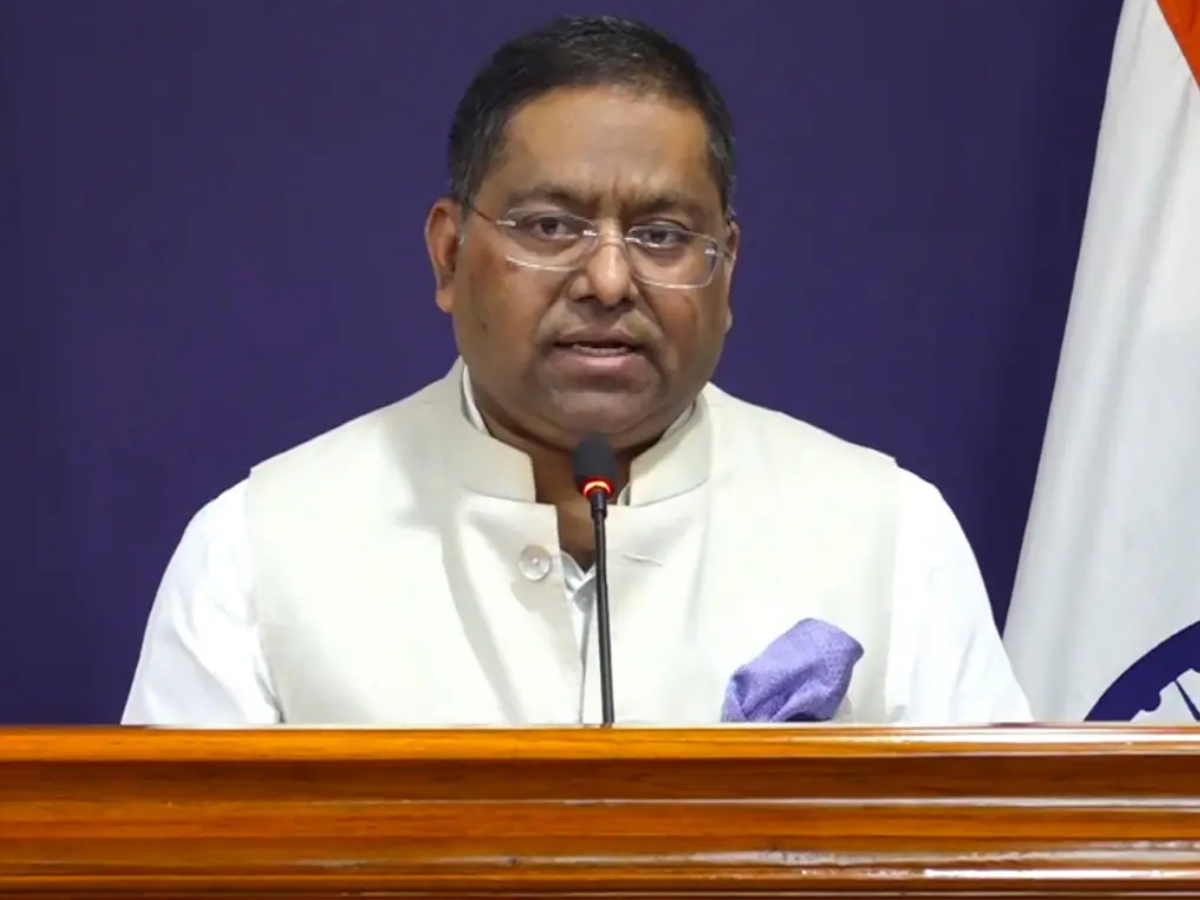
In response to the allegation, India’s Ministry of External Affairs spokesman Randhir Jaiswal stated that the government “is not aware of any anti-Bangladesh activities by so-called members of the Awami League in India or of any activity which is against Indian law.” Jaiswal again stated that India does not provide shelter for political activity against other nations on its territory and labeled Bangladesh’s announcement as “misplaced.
He further said that India has been and will continue to be committed to ensuring “free, fair, and inclusive elections” in Bangladesh to ascertain the people’s will and mandate.
Background of Tensions
The conflict is a manifestation of continued tension in bilateral relations after Yunus’s caretaker government assumed power in 2024. Relations have been strained over issues such as attacks on Bangladesh’s Hindus and other minorities, and Indian trade restrictions on Bangladeshi exports through land borders, said to be in retaliation for non-tariff barriers mounted by Dhaka.
Bangladesh’s caretaker government has lodged several criminal cases against Awami League leaders, including deposed Prime Minister Sheikh Hasina, who has been in self-imposed exile in India after she left Dhaka in August 2024. Human rights organizations have queried the legitimacy of the charges, encompassing crimes against humanity, enforced disappearances, and attacking protestors.
Legal Actions Against Hasina
In July, Hasina was handed a six-month jail sentence for contempt of court by Bangladesh’s International Crimes Tribunal (ICT), which is also trying a number of other cases against her and senior party officials.
The standoff now underway illustrates the fine diplomatic balance between India and Bangladesh as they try to manage political turmoil, legal controversies, and a need to preserve stable neighbourly relations.