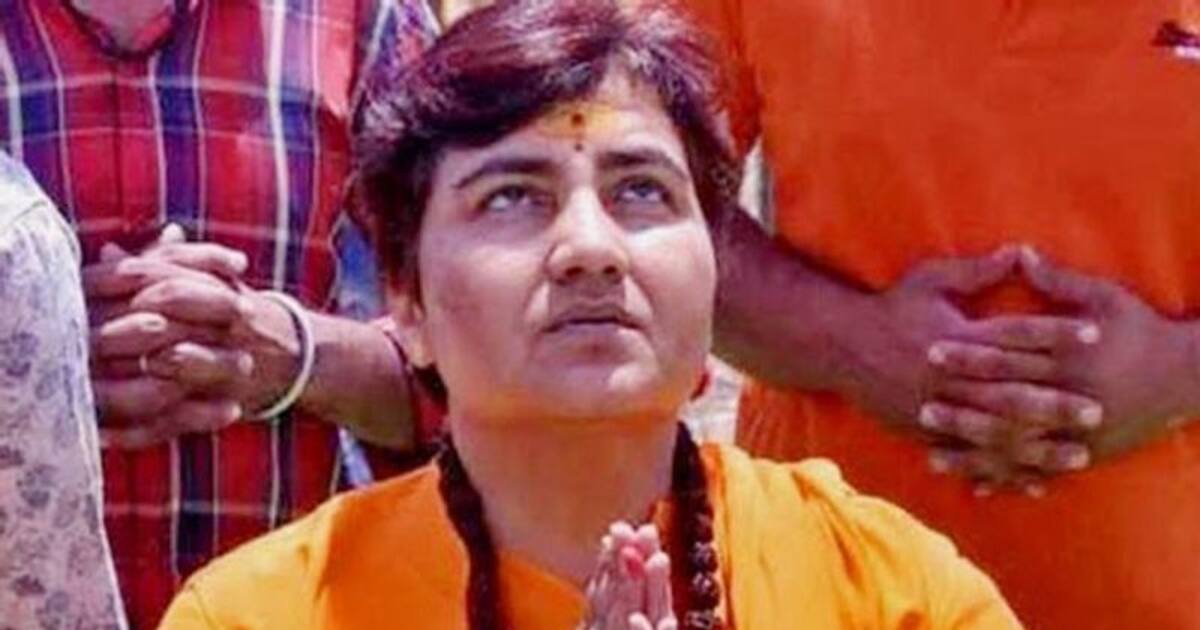
Former BJP MP Sadhvi Pragya Thakur on Saturday said that she has submitted in writing the names she was “forced” to take during the 2008 Malegaon blast probe. Her comments were made just days after a special NIA court cleared her and six other defendants in the case.
“…I was forced into taking names… their aim was to torture me, ‘if you take those names, we won’t torture you, I was told,” Sadhvi Pragya said while interacting with the media. “My lung membrane ruptured, I fell unconscious, I was being detained at a hospital illegally… I will talk about all this in my story, the truth will come out,” Pragya said, adding that since she was living in Gujarat, she was also asked to name PM Narendra Modi, but she took no names.
Chronicling Allegations of Forced Confessions
Former BJP MP Pragya Singh Thakur, now acquitted of all charges in the Malegaon bomb blast of 2008, has made further sensational comments: she was tortured while detained, allegedly by Maharashtra’s Anti-Terrorism Squad (ATS), and coerced into naming Prime Minister Narendra Modi, UP Chief Minister Yogi Adityanath, RSS chief Mohan Bhagwat, and other officials in a forced confession. Thakur has claimed that threats of violence were issued against her by ATS officers if she did not agree with them and stated that she had been kept illegally for 13 days while redoing her statements under duress.
In a briefing with reporters, she said, “Everybody wanted me to tell a lie … they kept saying, ‘Name these people, then we wouldn’t beat you'”
This court testimony came soon after a special NIA court in Mumbai acquitted all seven accused of crimes against the state, including Thakur and Lt Col Prasad Purohit, due to lack of evidence. The judgment held that suspicion cannot be considered; the witness statements cannot be accepted unless corroborated with evidence.
Implications: Legal and Political Fallout
These revelations have reignited widespread scrutiny on criminal investigations in India and the role coercion plays in high-profile cases. An important witness, Milind Joshi Rao, testified that he was tortured by the ATS in efforts to compel him to name UP CM Adityanath, RSS members and Pragya Thakur; many subsequently turned hostile and recanted under cross-examination.
The court then raised serious doubts about the admissibility of statements recorded by the ATS, which undermined the kings’ testimony.
Lawyers warn that this evidence shows structural weaknesses within anti-terror investigations, particularly with the enmeshment of political narratives and judicial methodology. Planting evidence and political targeting cast serious doubts over impartiality in law enforcement, with allegations gaining ground about possible tampering during the earlier investigative stages.
Now opposition leaders and civil rights activists demand thorough investigations into the conduct of the ATS, calling for judicial oversight to ensure due process for custodial interrogation cases. The case emphasizes the need for transparent, rights-respecting procedures for the investigation of politically sensitive trials.