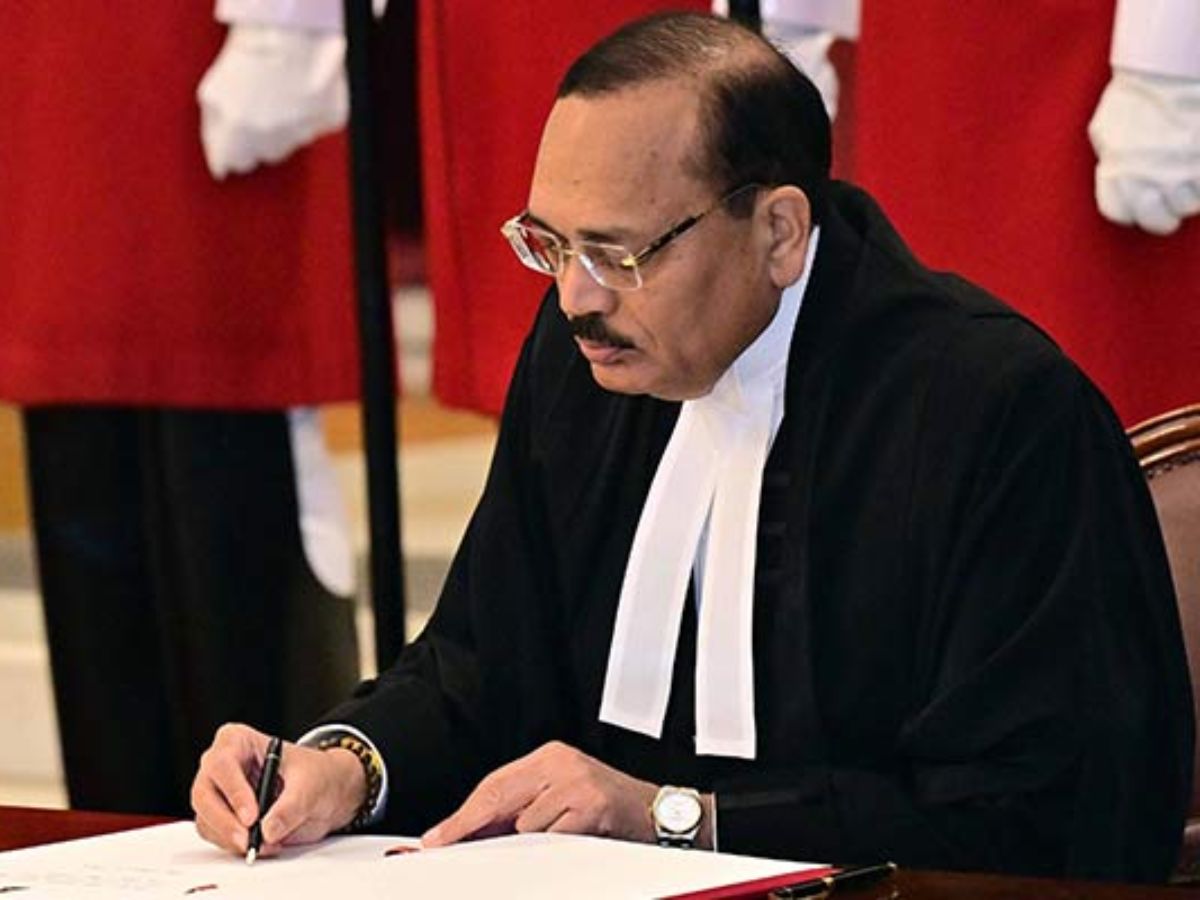
On his first day as Chief Justice of India, Surya Kant signalled a fresh approach in the Supreme Court by announcing major changes to how cases are listed, how urgent hearings are sought, and how adjournments are requested. The new rules, which come into effect on 1 December, aim to end delays that have often slowed down proceedings, especially in matters concerning personal liberty.
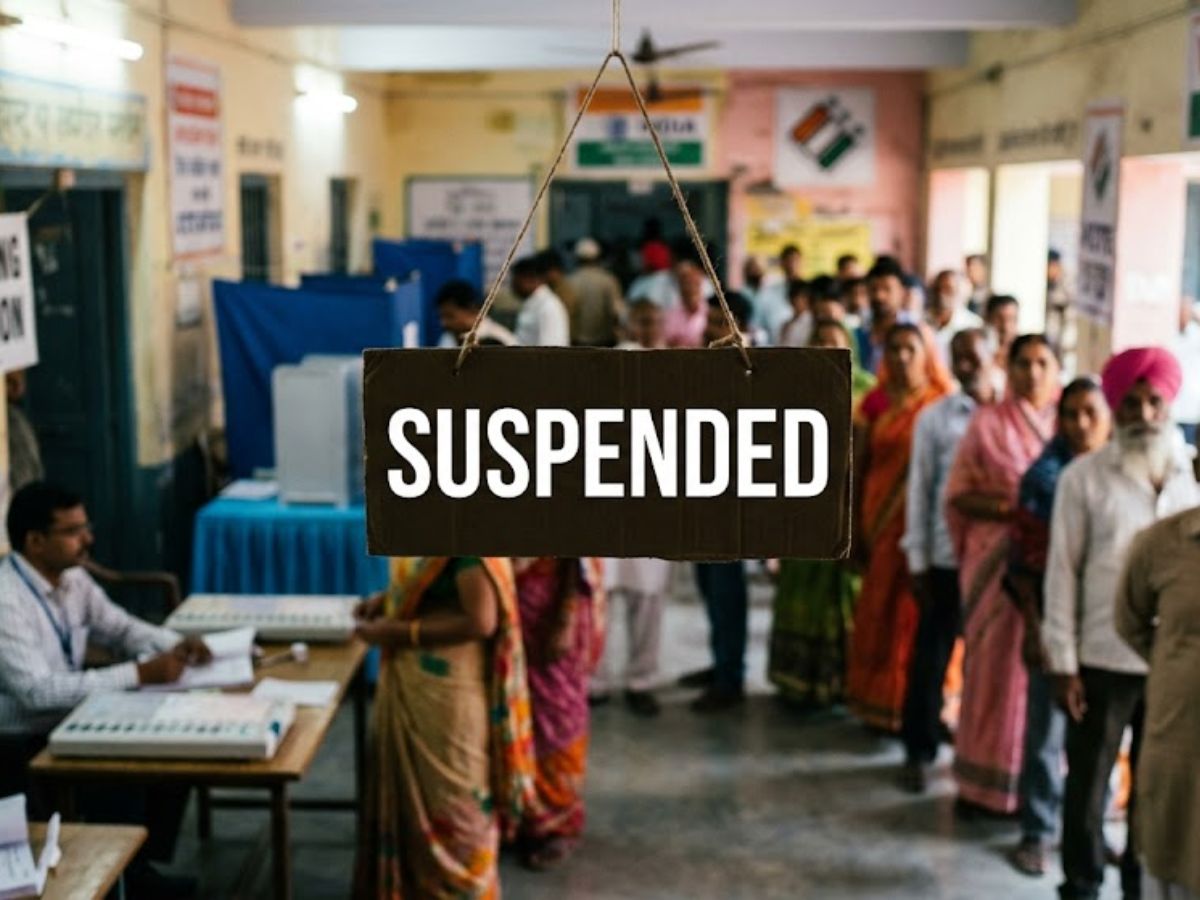
The shift is immediately visible in one strong message: senior advocates will no longer be allowed to orally mention cases, and cases involving freedom—such as bail, anticipatory bail and habeas corpus—will now be automatically listed within two working days.
Why the Supreme Court Needed These Changes?
These changes were introduced after long-standing worries over irregular hearing schedules, noisy mentioning sessions and frequent delays. The Supreme Court aims to make the system more organised and predictable, and to ensure urgent matters are addressed faster.
Core Idea Behind CJI Surya Kant’s Overhaul
The central aim is to make the system faster and fairer. Instead of deciding hearing dates through daily rushes in court corridors, the new approach creates a structured process that treats all lawyers equally and prioritizes matters that involve personal liberty.
End of Oral Mentioning by Senior Advocates
One of the most striking announcements is the complete ban on oral mentioning by senior advocates. Only cases that appear in a pre-published mentioning list will be allowed to be mentioned, and this responsibility is encouraged to be taken up by junior lawyers. This change is designed to prevent influence-based priority and to promote a more uniform system where case movement depends on rules, not standing.
Why is Oral Mentioning Being Limited?
As the court wants to avoid a situation where certain voices overshadow others. A fixed list makes the process transparent and reduces daily interruptions that slow down proceedings.
Automatic Listing for Liberty Matters
In what is being received as the most citizen-centric reform, the Supreme Court has mandated that cases related to personal liberty—bail, anticipatory bail, habeas corpus, death penalty, eviction stays and demolition cases—must be listed within two working days.
This will happen without any oral mentioning.
Also Read: ‘Bandra Worli Sea Link…’: Vir Das’s Satirical Song on Mumbai’s Air Crisis | Watch
What Does Automatic Listing Mean for Citizens?
It means that a person seeking bail or relief no longer has to depend on long procedures, repeated requests or courtroom influence. The case will appear before a bench within a fixed timeline. The system also makes it compulsory for the advocate-on-record to serve an advance copy immediately to the government side, and no petition will be verified or listed until proof of service is filed.
Strict and Limited Window for Adjournments
Adjournments, long criticised as a cause for delay, will now be permitted only in three situations: bereavement, serious health issues or an unavoidable and compelling circumstance. All such requests must be submitted through the prescribed online format, along with the number of previous adjournments taken.
Consent from the opposite side will be required if the request is made close to the hearing date. The court has clearly signalled that adjournments should no longer be a routine escape.
Defined Routes for Urgent Hearings
Where automatic listing does not apply, lawyers must use a standard proforma and submit a detailed urgency letter before the deadline—3 PM on weekdays, 11:30 AM on Saturdays, and 10:30 AM for exceptional emergencies. The court will evaluate whether the urgency is genuine and whether the matter can skip the normal queue. These rules create a uniform path for all lawyers, preventing sudden requests and ensuring that the registry works within a clear schedule.
Also Read: ‘Jihad Will Remain Holy’: Jamiat Chief’s ‘Jihad’ Statement Draws Fury, Accusations of Incitement
Predictable, Disciplined and Citizen-Oriented System
These changes were brought in after years of concern about uneven hearing schedules, chaotic mentioning sessions and regular delays. The Supreme Court wants the system to be more organised and predictable, while ensuring urgent cases move faster.