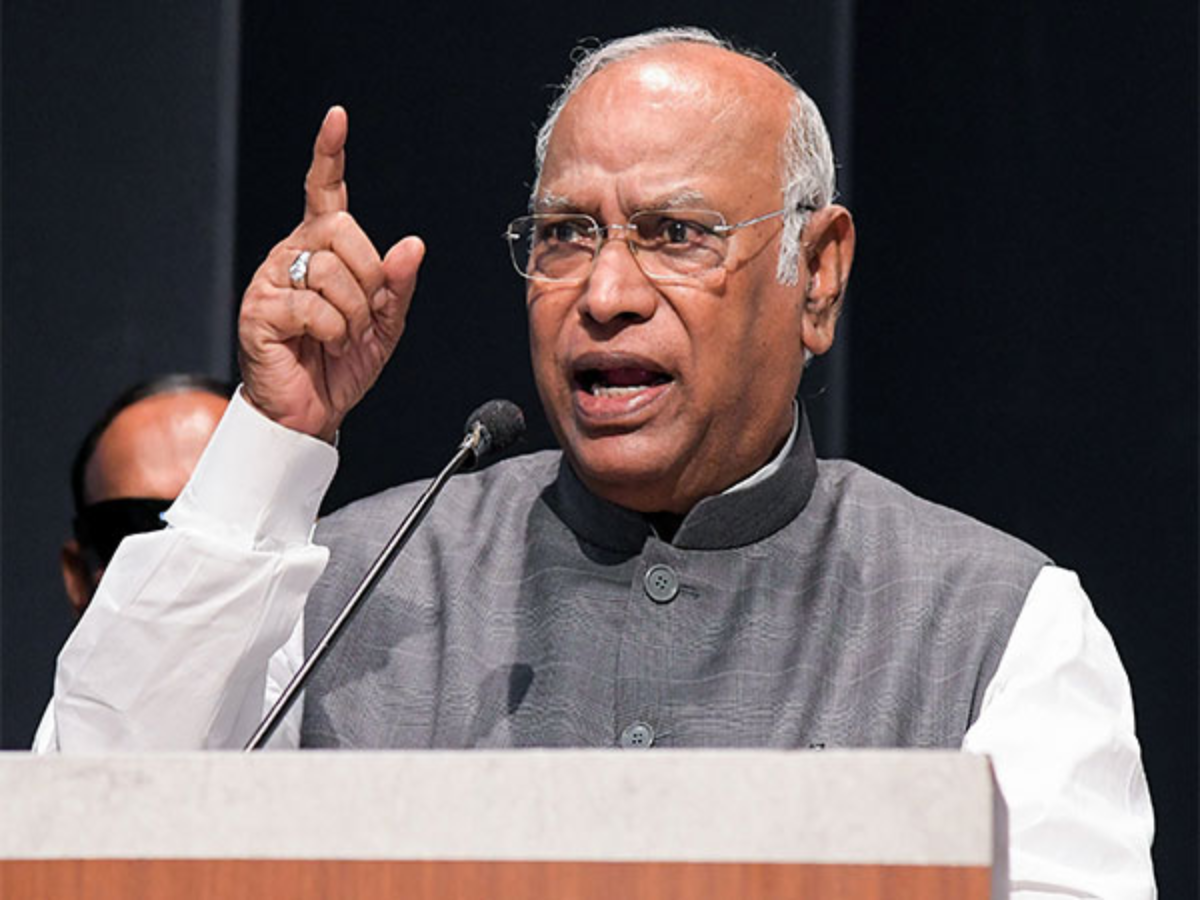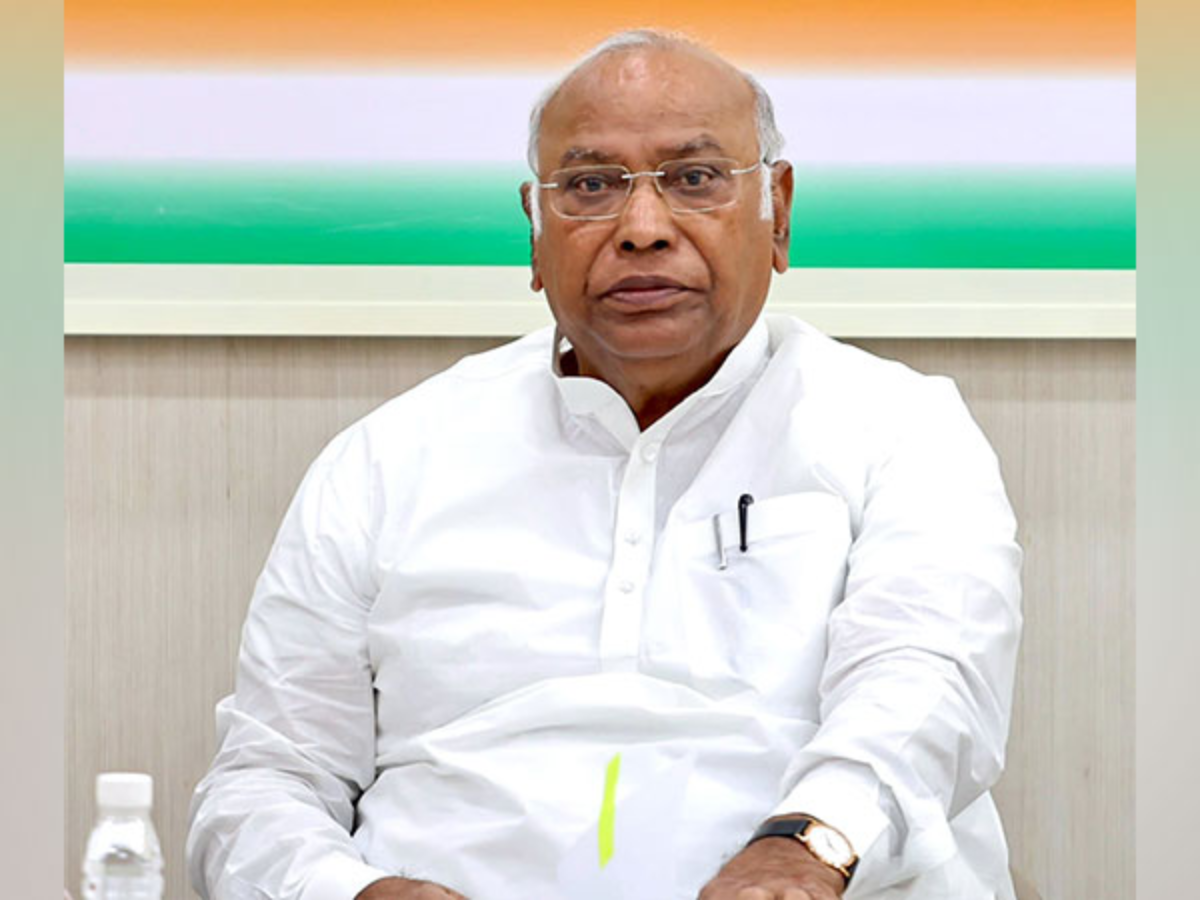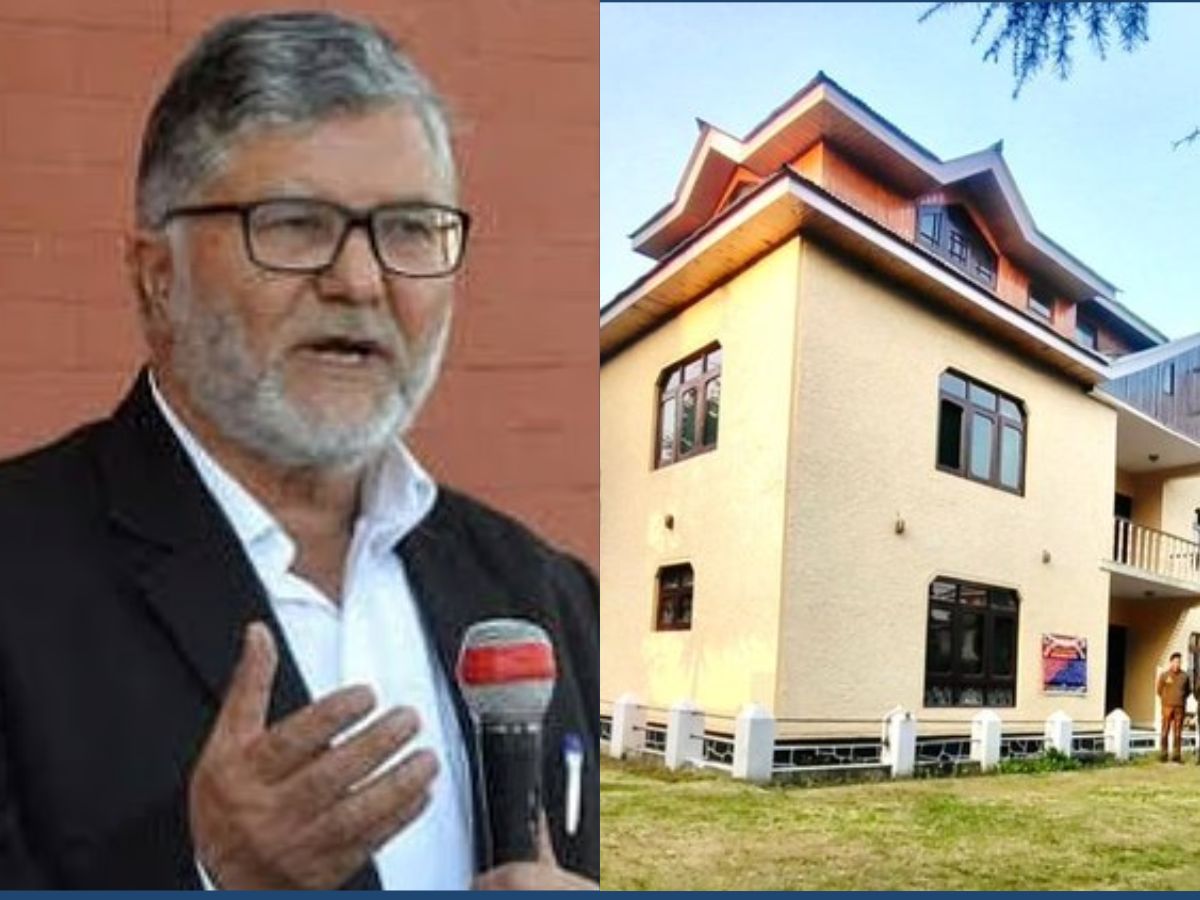
In a major move against alleged terror-linked properties, the Jammu and Kashmir Police have attached the Barzulla residence of former Kashmir Bar Association president Mian Abdul Qayoom. The property, which includes a two-storey house and adjoining land, has been declared as “proceeds of terrorism” under the Unlawful Activities (Prevention) Act (UAPA).
The action, approved on November 2, 2025, comes sixteen years after Qayoom was accused of delivering an anti-India speech during a controversial seminar in Srinagar. Police say the event, held on Muhammad Ali Jinnah’s death anniversary in 2009, turned into a secessionist gathering promoting pro-Pakistan sentiments.
Long-Pending Case Finds Action
The action stems from FIR No. 157/2009, registered at Police Station Shaheed Gunj on 31 December 2009. Intelligence had flagged a seminar at Hotel Jahangir, Srinagar, organised by secessionist figures including Feroz Ahmad Khan and with speeches by Qayoom and others. The authorities say the event featured anti-India slogans and calls for Kashmir’s future with Pakistan.
Investigators say that during a probe, they found banned literature, a blank letterhead of the outlawed group Hizbul Mujahedeen, seal impressions, a typed English press note of the group, and a letter from its chief, Syed Salahuddin, addressed to then-US President Bill Clinton — all seized from Qayoom’s Barzulla residence.
On those grounds, investigators concluded the residence and adjacent land (2 kanals, 1 marla, and 90 sq ft) were used for terrorist activity and thus qualify as “proceeds of terrorism” under Section 2(g) UAPA. The property is registered under Mutation No. 338.
Legal Basis and Action Taken
Under UAPA Sections 38 and 39 (support for terrorist organisations), the house’s link to the alleged terrorist activity was established. The police then used Section 25 UAPA for attachment, after approval from the Director General of Police. Order No. 4340, dated 2 November 2025, formalised the freeze of the house and land.
The property is now frozen: it cannot be sold, transferred or otherwise alienated until further legal orders. This move sends a strong signal about the enforcement of UAPA provisions in Jammu & Kashmir.
Legal Reach and Message to Advocacy Channels
This case touches on more than just the property—it has broader implications for advocates, bar associations, and legal activism in the region. Qayoom, a long-standing figure in Kashmir’s legal and political circles, now finds his home declared as a terrorist premises. This step underscores the state’s expanding use of anti-terror laws—including UAPA—to target not only militants but alleged ideological and organisational networks via their assets.
For the legal fraternity, this may raise fresh questions: the separation of professional advocacy from alleged political or extremist affiliations; the responsibilities of bar bodies in conflict zones; and the scope of UAPA attachments for non-violent but allegedly secessionist acts.
As Jammu & Kashmir grapples with decades-old cases and revisits old investigations, the seizure of Qayoom’s residence signals that anti-terror actions are no longer just a deterrent in nature—they also closely target assets, associations and symbols that authorities believe underpin secessionist networks.