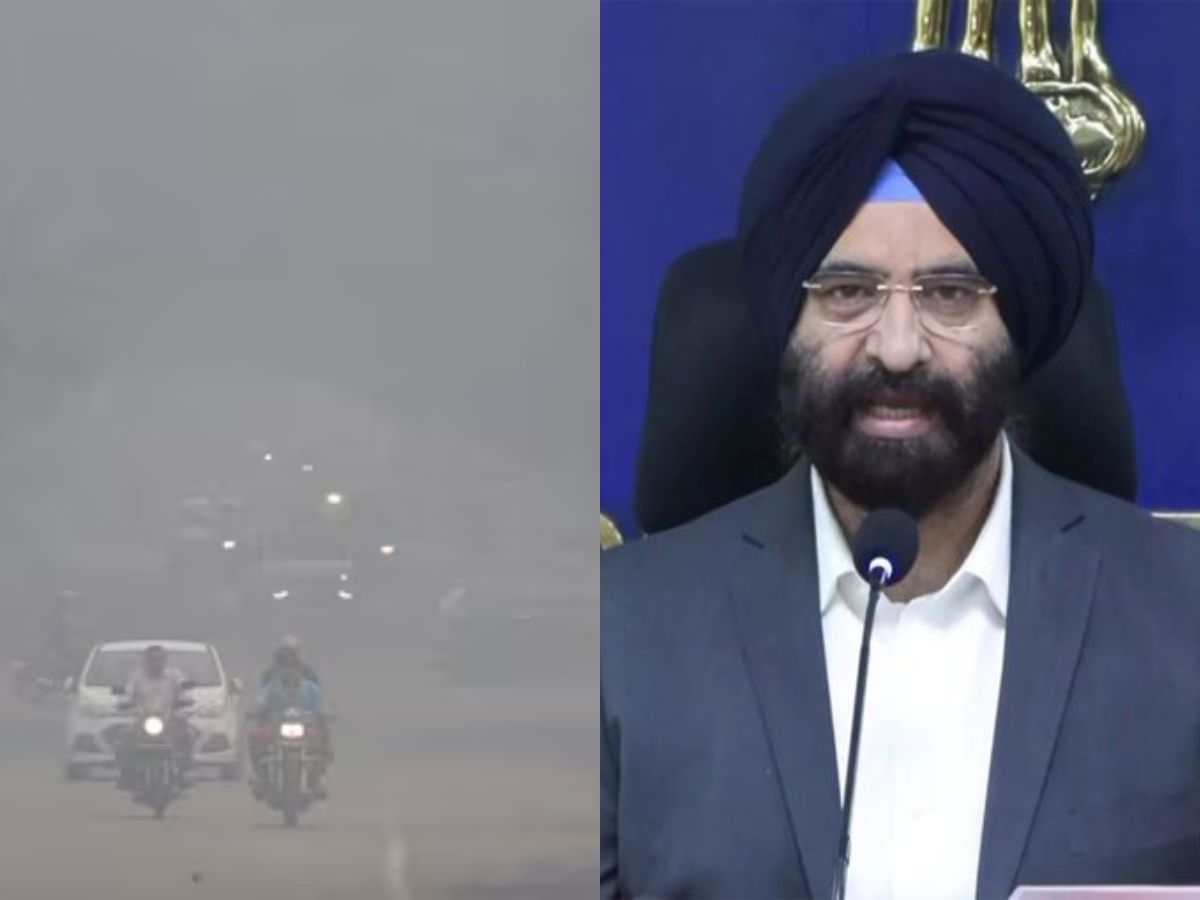
Delhi continues to struggle under hazardous air quality, with residents facing severe smog and health risks. Amid growing public anger, Environment Minister Manjinder Singh Sirsa addressed the situation, offering a partial apology while outlining the government’s ongoing efforts to curb pollution.
His remarks highlight the scale of the challenge and the limitations of short-term solutions in tackling Delhi’s chronic air quality crisis.
Delhi Severe AQI: ‘Apology’ Amid Severe AQI
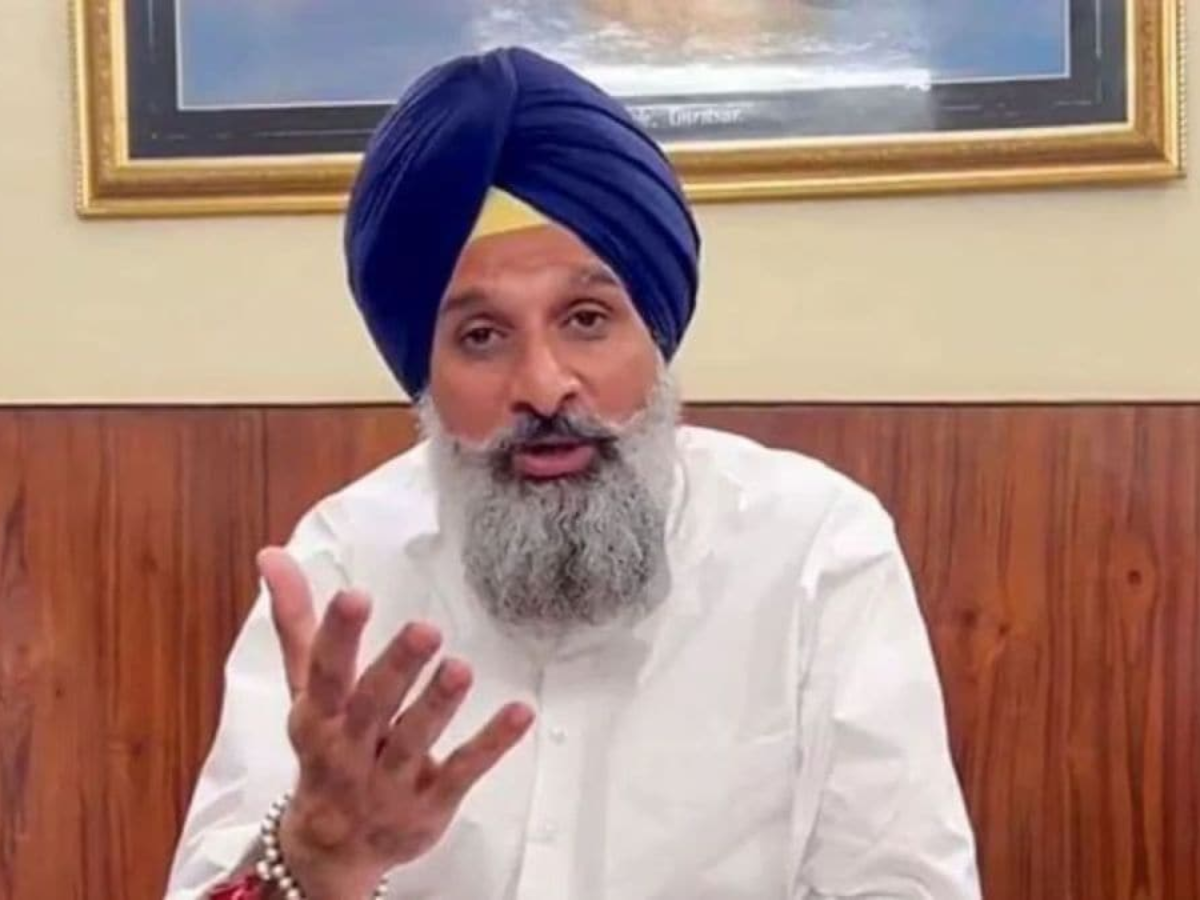
Delhi’s air pollution crisis drew fresh political attention as Environment Minister Manjinder Singh Sirsa addressed worsening air quality and offered a qualified apology to residents. ‘I would like to apologise to the people of Delhi and state that it is not possible for any elected government to completely reduce pollution levels within 9–10 months‘
Sirsa acknowledged public frustration but stressed that significant improvements in air quality cannot happen overnight. His statement comes as the region continues to grapple with hazardous smog and very poor AQI readings.
Delhi Severe AQI: Sirsa Response on Delhi Smog
At a press briefing, Sirsa apologised to Delhiites for the deteriorating air but framed the situation as an inherited problem. He said it is “not possible for any elected government to completely reduce pollution levels within 9–10 months,” pointing to the long-term nature of tackling air quality in a megacity like Delhi.
He also emphasised that the current administration is taking daily actions to curb pollution, including enforcing Stage IV measures under the Graded Response Action Plan (GRAP).
Delhi AQI: Government Actions to Combat Pollution
Sirsa highlighted several measures aimed at reducing pollution levels:
- Reducing the height of landfill sites and reclaiming land.
- Installing over 2,000 pollution-monitoring units across the city.
- Banning entry of non‑Delhi private vehicles that do not meet BS‑VI standards.
- Restricting the movement of construction materials and enforcing against violators.
- Vehicles without a valid Pollution Under Control (PUC) certificate will be denied fuel at petrol pumps.
- Sirsa said that these steps are part of sustained daily efforts, but acknowledged that they would not instantly eliminate the pollution.
Delhi AQI: Previous Government Targeted
Manjinder Sirsa used his remarks to criticise the previous Aam Aadmi Party (AAP) administration, insisting that much of the air quality challenge was inherited from past policies. He claimed the earlier government failed to address root causes effectively and labelled some of its critics as politically motivated.
Public Anger Mounts Over Smog & Events
The public’s frustration was visible at recent high-profile events. Residents booed and chanted “AQI, AQI” at the Arun Jaitley Stadium during a visit by international sports star Lionel Messi, underscoring how the pollution crisis is affecting daily life and public mood across Delhi.
Delhi Current Air Quality & Health Impact
Official data shows that Delhi’s air quality has pushed into the severe or very poor AQI categories, with central monitoring stations recording hazardous levels that pose health risks, especially for children and residents with respiratory issues.
Environmental experts and health professionals have warned that persistent smog can cause long-term health issues and urged swift, coordinated action beyond short-term measures.
Why Pollution Persists in Delhi?
A combination of factors contributes to Delhi’s chronic air pollution:
- Vehicle emissions and traffic congestion
- Dust from construction activities
- Pollutants carried from neighbouring states due to stubble burning
- Seasonal weather factors that trap pollutants
These structural challenges mean that even aggressive interventions will take time to deliver visible improvements.
Long-Term Solutions Needed
Sirsa reiterated that the government remains committed to daily enforcement and long-term strategies. However, his remarks make it clear that a rapid fix is unrealistic. The focus now shifts to sustained actions, stricter emission controls, and better inter‑state cooperation to manage Delhi’s air pollution crisis over the coming years.