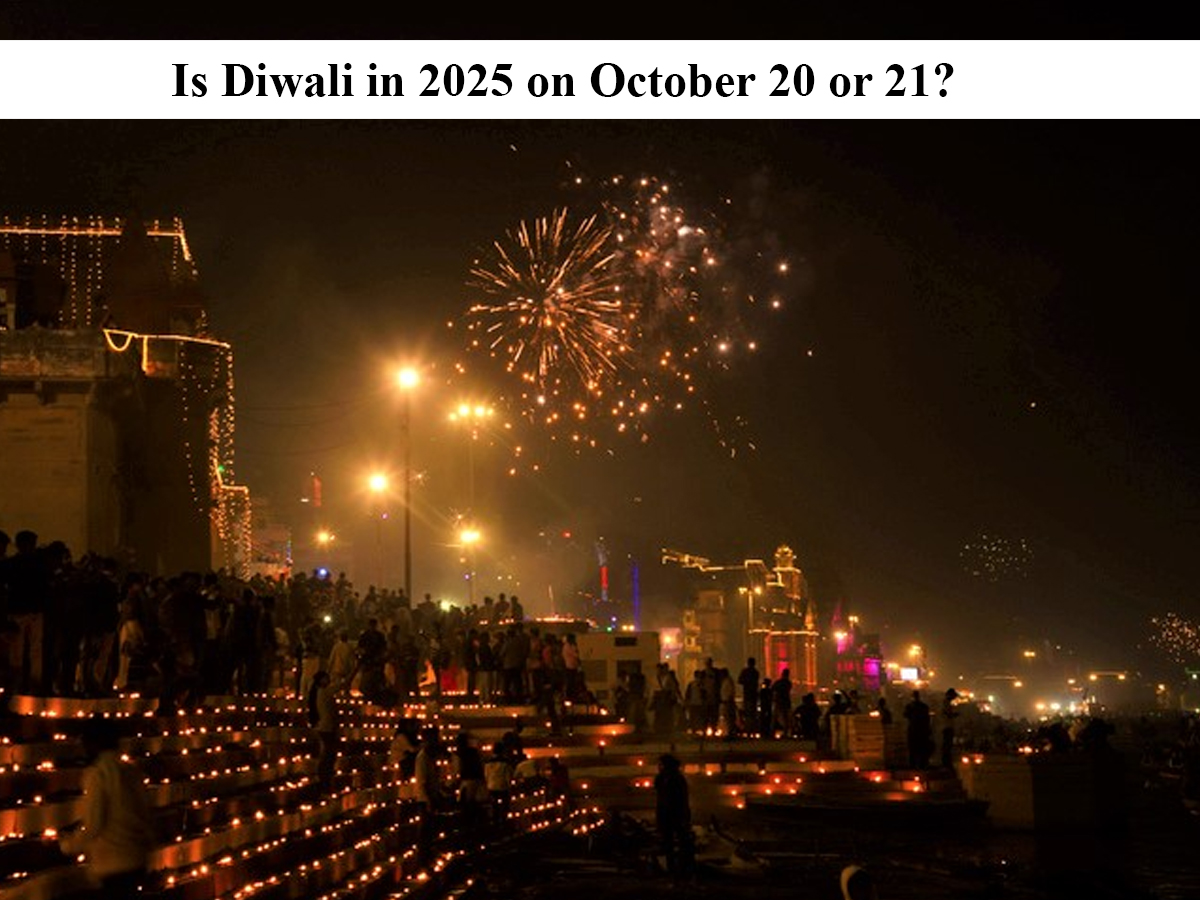
Diwali is one of the most important festivals in Hinduism. People eagerly wait for this festival all year. Diwali is not just about lights and fireworks. It symbolizes the victory of light over darkness, good over evil, and truth over falsehood. During this festival, people clean their homes, decorate with rangoli, light diyas, and buy new items.
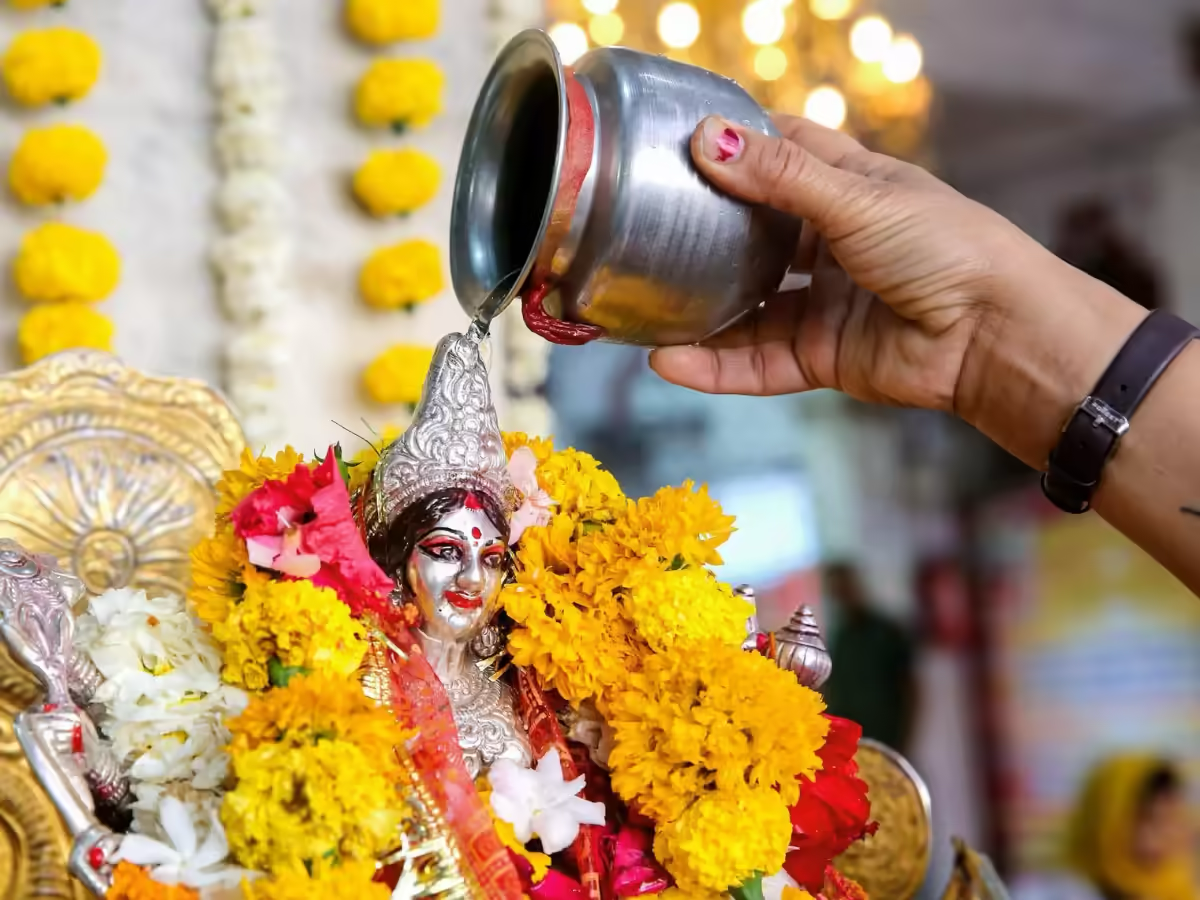
Diwali is not a one-day celebration. It is a five-day festival, with each day having its own religious significance and rituals. The festival begins with Dhanteras and ends with Bhai Dooj. The main attraction during these days is the worship of Goddess Lakshmi, especially on Kartik Amavasya night. People light lamps in their homes to remove darkness and worship Goddess Lakshmi and Lord Ganesha for wealth and prosperity.
When is Diwali in 2025?
Main Diwali Day: This day celebrates the return of Lord Ram, Sita, and Lakshman to Ayodhya. Homes are decorated with diyas and rangoli. In the evening, devotees perform Lakshmi and Ganesha Puja.
- Mahalakshmi Puja 2025: Monday, October 20, 2025
- Amavasya Tithi Start: October 20 at 3:44 PM
- Amavasya Tithi End: October 21 at 5:54 PM
- Lakshmi Puja Muhurat: 7:08 PM – 8:18 PM (Duration 1 hour 11 minutes)
- Pradosh Kaal: 5:46 PM – 8:18 PM
- Vrishabh Kaal: 7:08 PM – 9:03 PM
What are the Five-Day Celebration of Diwali?
Dhanteras: The first day of Diwali, dedicated to wealth and prosperity. People buy gold, silver, and utensils.
Chhoti Diwali (Narak Chaturdashi): The second day is marked by small rituals and preparations for the main Diwali.
Mahalakshmi Puja: The third day is the main Diwali. People worship Goddess Lakshmi for wealth and Lord Ganesha for wisdom. Homes are brightly lit with diyas.
Govardhan Puja: The fourth day celebrates Lord Krishna lifting Govardhan Hill to protect villagers. Special offerings and rituals are performed.
Bhai Dooj: The fifth and final day honors the bond between brothers and sisters. Sisters pray for their brothers’ well-being and perform aarti.
Diwali brings families together for prayers, festive meals, and cultural celebrations. This year, devotees must follow the auspicious timings for rituals to ensure blessings and prosperity.