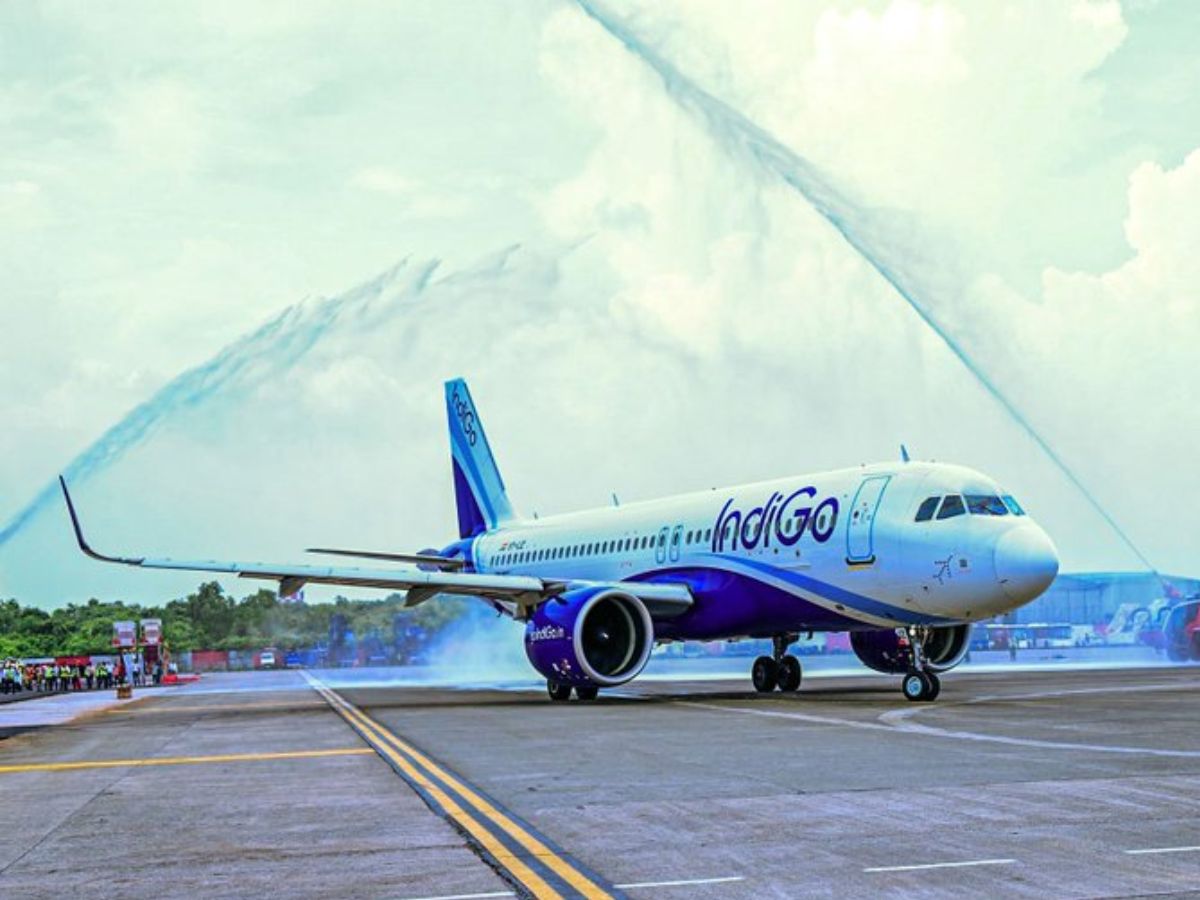
The Centre has stepped in decisively against IndiGo, issuing a show-cause notice to CEO Pieter Elbers. Inside the civil aviation ministry, officials are openly questioning his future at the company. After days of disruption at airports nationwide, the government’s message is clear: it intends to resolve the crisis once and for all.
BJP leader Amit Malviya has shared Government show cause notice to Indigo to CEO Pieter Elbers for days of disruption at airports nationwide.
Indigo CEO show caused. Response sought in the next 24 hours. Deadline ends tomorrow night. pic.twitter.com/qhWjjvDd4L
— Amit Malviya (@amitmalviya) December 6, 2025
Airports in Chaos
This week, India’s aviation system was brought to a standstill not by weather or strikes, but by the failure of its largest private airline. IndiGo, which operates around 60% of domestic flights, cancelled over 2,000 flights. Airports from Delhi to Chennai, Bengaluru to Srinagar saw terminals overflowing with frustrated passengers, red alerts on flight boards, and long lines at security. Children slept on suitcases, the elderly rested on the floors, and baggage went missing amid the turmoil.
The Victims of Indigo Poor Planning
The crisis exposed IndiGo’s lack of preparedness. Smaller airlines, including Air India, Akasa, and SpiceJet, had adjusted their operations to comply with new flight duty regulations designed to prevent pilot fatigue. These rules, upheld by the Delhi High Court in April 2025, expanded rest periods, limited night duties, and redefined “night time.” Airlines had nearly two years to prepare for the phased implementation, starting July 1 and November 1.
But IndiGo, which operated the most night flights and tight schedules, failed to adjust. That failure exploded this week, leaving passengers stranded and flights grounded.
Indigo CEO Apologizes Amid Backlash
Late on December 5, Pieter Elbers issued an apology: “We misjudged crew requirements…the actions taken in the last few days were futile…we are rebooting all systems.” Aviation experts criticized his choice of words, noting that terms like “futile” and “reboot” are unthinkable for a CEO managing 2,300 daily flights.
DGCA’s Show-Cause Notice
The Directorate General of Civil Aviation (DGCA) accused IndiGo of ignoring repeated instructions, failing to forecast crew availability, not realigning rosters, delaying training, and showing major planning and oversight gaps.
Temporary Relaxation of Safety Norms Sparks Controversy
As stranded passengers overwhelmed airports, the government initiated a high-level probe. Shockingly, the DGCA temporarily relaxed fatigue norms for IndiGo’s A320 fleet, shortening night periods, expanding night landing limits, and adjusting weekly rest requirements. Pilots reacted angrily, warning that safety was being compromised to rescue a poorly managed airline.
Aviation insiders questioned whether the timing—five weeks after the new rules took effect—was a genuine operational breakdown or a tactic to force rule relaxation.
Surge in Airfares
With IndiGo grounded, ticket prices soared. Delhi-Mumbai fares crossed Rs 50,000, Delhi-Bengaluru reached Rs 55,000, and Delhi-Goa exceeded Rs 60,000. On December 6, the government capped fares to curb the financial strain on passengers.
IndiGo’s Response
IndiGo has promised full refunds, hotel accommodations, food, alternate transport, and a waiver of cancellation and rescheduling fees. But these measures cannot undo ruined holidays, missed weddings, cancelled medical appointments, or business losses. The crisis revealed that the airline simply did not have enough trained crew to sustain its rapidly expanded network.
Bigger Lessons Beyond IndiGo
This crisis highlights risks when one airline becomes too big to fail. It exposes vulnerabilities in regulatory oversight when rules are relaxed for a single operator, and warns of the dangers of market concentration. Safety norms must remain non-negotiable, and dominance without planning and responsibility is dangerous.
IndiGo expects normal operations to resume by December 15, but trust in the airline and in India’s aviation system will take much longer to rebuild. Accountability from the airline, its leadership, and the regulator is essential to prevent the next crisis.
A Warning for the Aviation Sector
This meltdown is more than a technical failure it is a cautionary tale. Ambition without planning, and market dominance without responsibility, can bring an entire system to its knees. India’s aviation cannot rely on a single pillar, no matter how large or influential.
Also Read: Air India Group Caps Fares, Waives Fees to Aid Passengers Stranded by IndiGo Crisis