
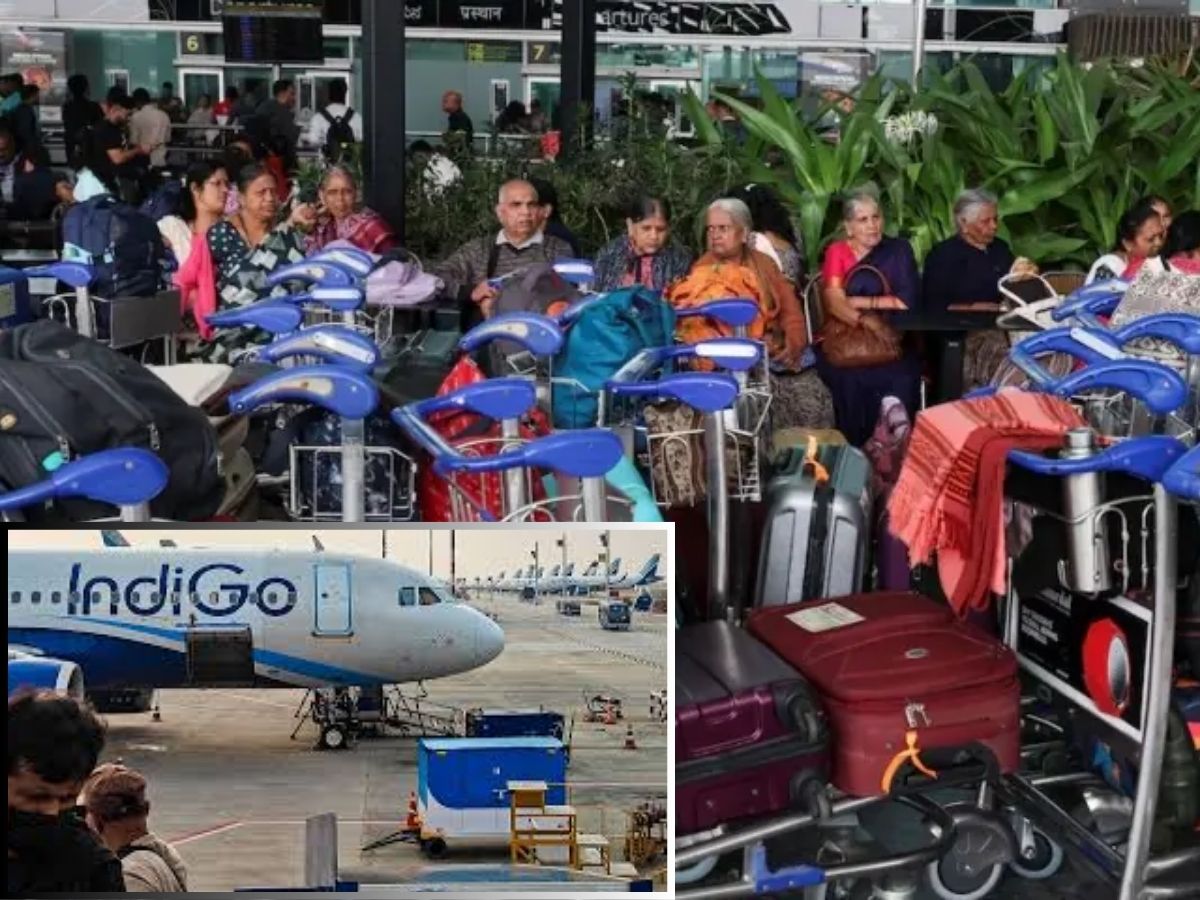
The Indian government intervened on Saturday to cap domestic airfares as the operational crisis at IndiGo, the country’s largest airline, stretched into a fifth day, leaving hundreds of passengers stranded. The Civil Aviation Ministry announced the price controls to maintain “pricing discipline” after fares on rival airlines surged due to the collapse of IndiGo’s schedule, which saw 385 more flights cancelled on Saturday.
Why Did the Government Impose Fare Caps?
IndiGo’s dominance of the domestic market, at over 60%, meant its mass cancellations caused a serious supply gap, leading to a sharp jump in fares on other carriers for remaining seats. To shield passengers from steep last-minute fares, the government brought back fare bands that had not been used since the COVID-19 pandemic in 2020. The new caps mandate:
- For journeys up to 500 km: A one-way fare cannot exceed ₹7,500.
- For journeys 1,000-1,500 km (e.g., Delhi-Mumbai): The fare is capped at ₹15,000.
This action came as some airlines were advertising fares well above these limits, with a Delhi-Mumbai flight on Air India priced at ₹20,419 on Saturday.
What is the Latest on IndiGo’s Disruptions?
The crisis, caused by IndiGo’s inadequate pilot scheduling under new flight rules, shows no immediate sign of being fully resolved. After cancelling over 1,000 flights on Friday, the airline scrapped another 385 on Saturday.
Major airport-wise cancellations included:
- Bengaluru: 124 flights cancelled
- Mumbai: 109 flights cancelled
- New Delhi: 86 flights cancelled
- Hyderabad: 66 flights cancelled
The fallout has been severe on the ground, with hundreds of unaware passengers gathering outside airports in Bengaluru and Mumbai. Passengers like Satish Konde, stranded in Mumbai, told Reuters, “I am waiting for my luggage to be returned,” after his connecting flight was cancelled post check-in. The disruptions have also upended travel plans for weddings and year-end holidays.
Also Read: Stare Decisis Under Strain? Trump Era Cases Test Supreme Court’s Loyalty to Precedent
What Are the Controversial Government Exemptions?
In a bid to help IndiGo recover, the Directorate General of Civil Aviation (DGCA) granted the airline temporary exemptions from key parts of the new pilot fatigue safety rules until February 10. These include relief from limits on night landings and night flying hours.
Furthermore, a rule stating that personal leave cannot count toward a pilot’s mandatory 48-hour weekly rest was put on hold for all airlines. This “selective dispensation” has drawn fierce criticism from pilot unions. The Federation of Indian Pilots and the Airline Pilots Association of India have protested, stating safety norms “exist solely to safeguard human life” and should not be compromised for an airline’s poor planning.
Your Questions Answered: IndiGo Crisis & Fare Caps FAQs
Q: How long will the fare caps be in place?
A: No end date has been announced. The Ministry said it will “closely monitor” ticket prices and the caps will likely remain in place until conditions stabilize following IndiGo’s recovery.
Q: When will IndiGo operations normalize?
A: IndiGo has stated it expects to return to normal operations between December 10 and 15, following the regulatory exemptions.
Q: Why are pilot groups angry?
A: Critics say giving IndiGo exemptions from safety rules, such as night landing limits, rewards poor management and sets a risky precedent that puts flight safety at risk for operational ease.
Q: Were other airlines prepared for the new rules?
A: Yes. Key rivals such as Air India and Akasa Air said they saw no major cancellations under the new rules, showing they had properly planned pilot schedules ahead of the November 1 deadline.
Q: What other steps has the government taken?
A: Apart from fare caps and regulatory relaxations, Indian Railways has added more than 100 extra coaches to 37 trains to offer alternative travel options for stranded air passengers.
Also Read: Truce Talks at ‘Critical Moment’ as Qatar Warns Violence Persists in Gaza