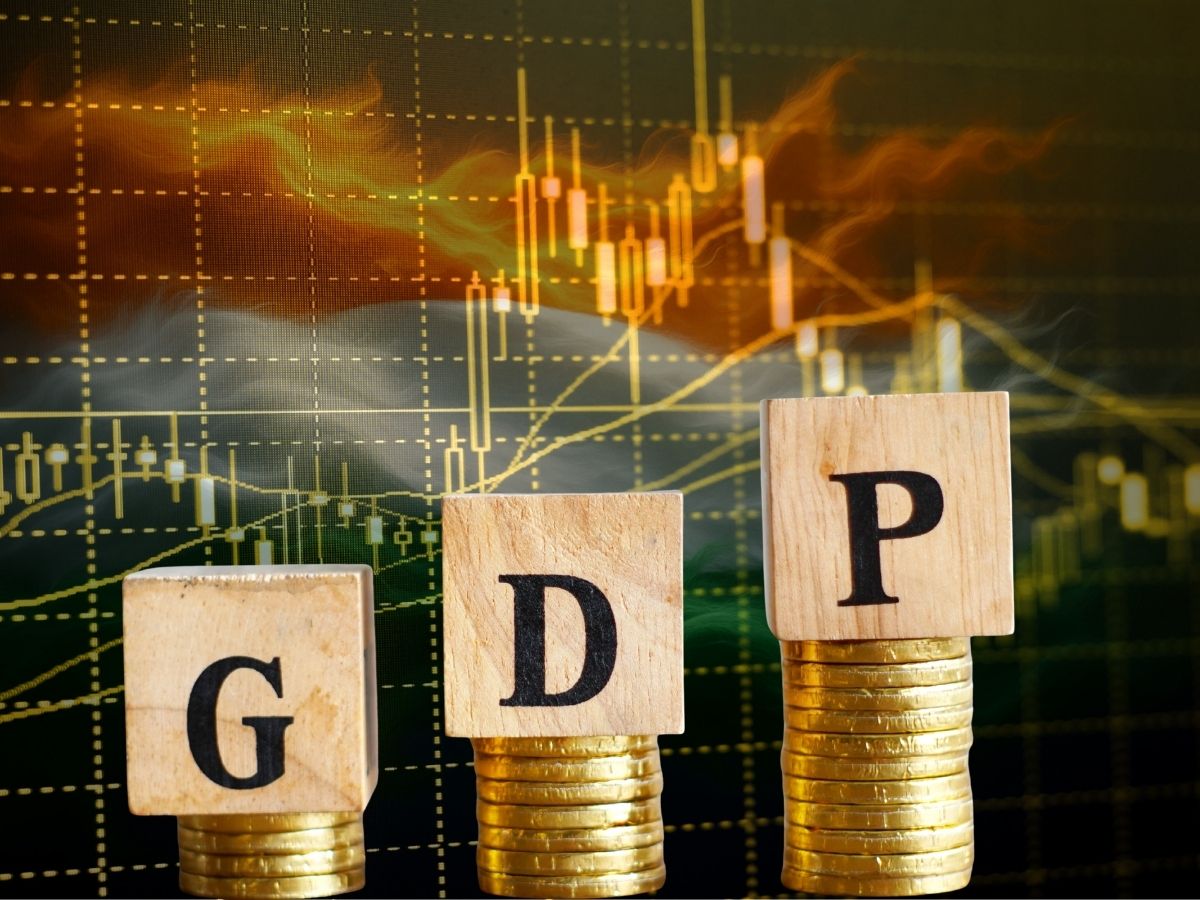
India’s economy showed a strong surge in growth, with its Gross Domestic Product (GDP) expanding by 7.8% in the first quarter (Q1) of the fiscal year 2025-26 compared to 6.5% in the same quarter last year. This growth rate not only beat economists’ expectations but also marked the fastest expansion in five quarters. Key contributors to this robust performance included government capital expenditure, strong performances in the construction and agriculture sectors, as well as growth in aviation cargo traffic and GST collections. Private final consumption expenditure and gross fixed capital formation also supported the growth, indicating a healthy domestic demand. This surge reflects India’s ongoing momentum as one of the world’s fastest-growing major economies.
The Shadow of US Tariffs on India’s Export Sectors
Despite the positive headline numbers, the economic landscape faces significant challenges, particularly due to the recently imposed US tariffs on Indian exports. The US has levied tariffs reaching up to 50% on several Indian goods, targeting labor-intensive sectors such as textiles, footwear, gems, and jewellery. As the US is one of India’s largest trading partners, these tariffs threaten to reduce India’s merchandise exports by billions of dollars and jeopardise hundreds of thousands of jobs, especially in affected sectors. This tariff storm is expected to have a domino effect on employment, wages, consumption, and investment outlook, potentially shaving off around 0.6 to 0.8 percentage points from India’s annual GDP growth if the situation persists.
Why It’s Too Early to Celebrate
The current Q1 GDP growth still reflects economic activity that largely predates the tariff imposition. The full impact of these trade restrictions is expected to become more visible from the second quarter (Q2) onwards. With ongoing global uncertainties, heightened trade tensions, and financial market fluctuations, India’s economic momentum faces fresh headwinds. The Reserve Bank of India (RBI) has maintained a cautious GDP growth forecast of around 6.5% for the full fiscal year, suggesting that policymakers anticipate challenges ahead despite the strong start. Although easing inflation and some fiscal measures may provide relief starting October, the tariff impact and external volatility make it prudent to temper expectations.
Looking Ahead: Navigating Through Uncertainty
The impressive Q1 growth is a testament to India’s economic resilience, but the real test lies ahead. The tariff war with the US and the resulting export slowdown could affect employment, consumption, and investment patterns in the coming quarters. Policymakers and businesses will need to remain vigilant and adaptive as India confronts this external shock. The trajectory of the economy beyond Q1 will reveal whether India can sustain its growth momentum amid ongoing global trade tensions and economic uncertainties.