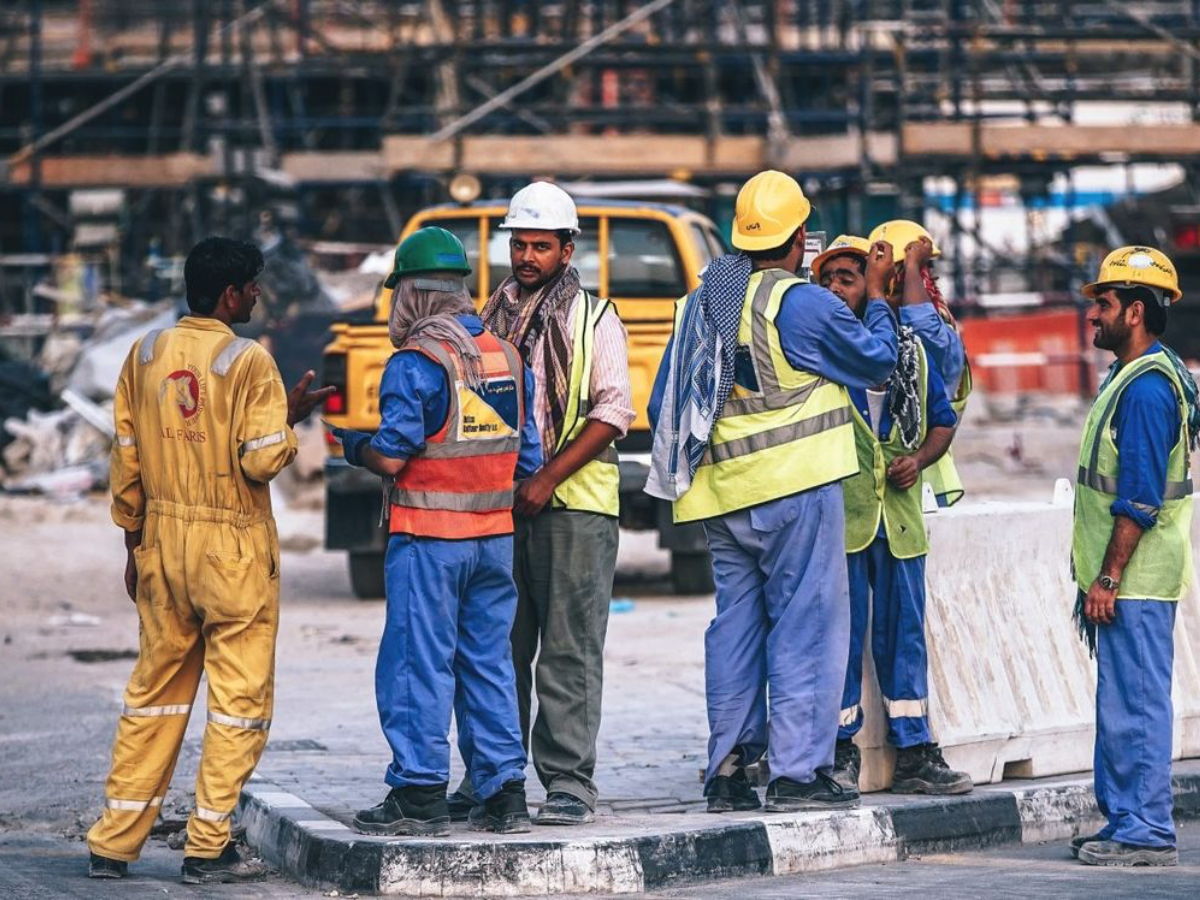
India has rewritten the rulebook for its workforce by folding 29 separate labour laws into four streamlined Labour Codes, the government has taken one of the biggest steps toward updating workplace rules in decades. The earlier laws came from a very different era when India’s economy was small, informal work was the norm and service-sector jobs didn’t exist the way they do today.
The new codes, which came into effect on November 21, aim to bring clarity, expand protection and create consistency across industries. Whether you work full time, on a contract, in a factory, on a plantation or through an app, these changes shape everything from your wages to your benefits and workplace rights.
What are the four labour codes?
- Code on Wages, 2019: Guarantees minimum wages to each worker and timely salary payments.
- Industrial Relations Code, 2020: Lays down rules for hiring practices, dispute settlement, and working relationship between employers and workers.
- Code on Social Security, 2020: For the first time, extends social-security benefits to all workers, including gig and platform workers.
- Occupational Safety, Health and Working Conditions Code, 2020: Standardising the working hours, workplace safety and health norms across different industries.
What are the benefits of these labour reforms for each category of workers?
- Fixed-Term Employees: Same benefits as permanent staff, gratuity eligibility after one year and equal wages.
- Gig & Platform workers: Defined status, dedicated social-security funding and portable, Aadhaar-linked benefit accounts.
- Contract Workers: Better protection, PF and ESI coverage, one-year gratuity eligibility and annual health check-ups.
- Women Workers: Protection against wage discrimination, permission for night shifts with safety measures and broader representation in grievance panels.
- Youth Workers: Minimum wage, appointment letters and paid wage entitlement during leave compulsorily.
- MSME Workers: Social-security coverage, guaranteed minimum wages, proper facilities, regulated hours and double overtime pay.
- Beedi & Cigar Workers: fixed working hours, overtime at double rate, timely wages and bonus entitlement.
- Plantation Workers: Safety training, protective gear, full ESI access and education benefits for their children.
- Digital & Media Workers: Mandatory appointment letters, standardized pay cycles and overtime protections.
- Mine workers: safer working hours, free health check-ups and recognition of certain commuting accidents.
- Hazardous Industry Workers: Free annual health tests, national safety standards and mandated safety committees.
- Textile Workers: Equal wages for migrants, extended claim windows and double wages for overtime.
- IT & ITES Workers: Salary release timeline, dispute resolution, equal pay and provisions relating to women on night shifts.
- Dock Workers: Formal recognition, PF and insurance, medical facilities and compulsory health check-ups.
- Export Sector Workers: Gratuity, PF, timely wages, regulated leave and safety provisions for night-shift women workers.
ALSO READ: G20 Summit Highlights: India’s Proposals, Climate Finance Deal & US Boycott
Impact Across Sectors & Worker Categories
- A uniform minimum wage creates consistency across industries.
- The revised wage definitions increase PF and gratuity contributions, thus improving long-term savings.
- Paid leave eligibility, especially for new employees, becomes easier to access.
- Overtime rates at double pay strengthen the protections for workers.
- Safety standards rise for hazardous workplaces, plantations, mines and dockyards.
- Gig and platform workers get a formal place in the hierarchy of the workforce.
- Women workers see expanded access to high-paying roles previously barred to them.
- Annual health check-ups for workers above 40 encourage early diagnosis and preventive care.
- Formalisation increased, with appointment letters thereby becoming mandatory everywhere.
ALSO READ: Constitution Bill, 2025: How It May Reshape Chandigarh’s Governance
Labour Codes Key Highlights
- Appointment letters that are mandatory for all workers in regard to transparency and job security.
- Social security for all workers including gig, platform, and unorganised workers.
- Statutory minimum wages and strict deadlines for salary payments.
- Free annual health check-ups for workers over 40.
- Night-shift opportunities for women with full safety measures.
- Pan-India ESIC Coverage-across hazardous workplaces for which coverage is mandatory.
- Single registration and licensing leading to simpler compliance.
- National OSH Board to unify safety standards across sectors.
- Large establishment to have safety committees.
- Reduced regulatory burden for small factories while maintaining worker protections.
ALSO READ: Canada’s New Bill C-3 Restores Citizenship Rights for Thousands Born Abroad Since 2009
Disclaimer: This article have general information on India’s Labour Codes and should not be taken as legal or professional advice.