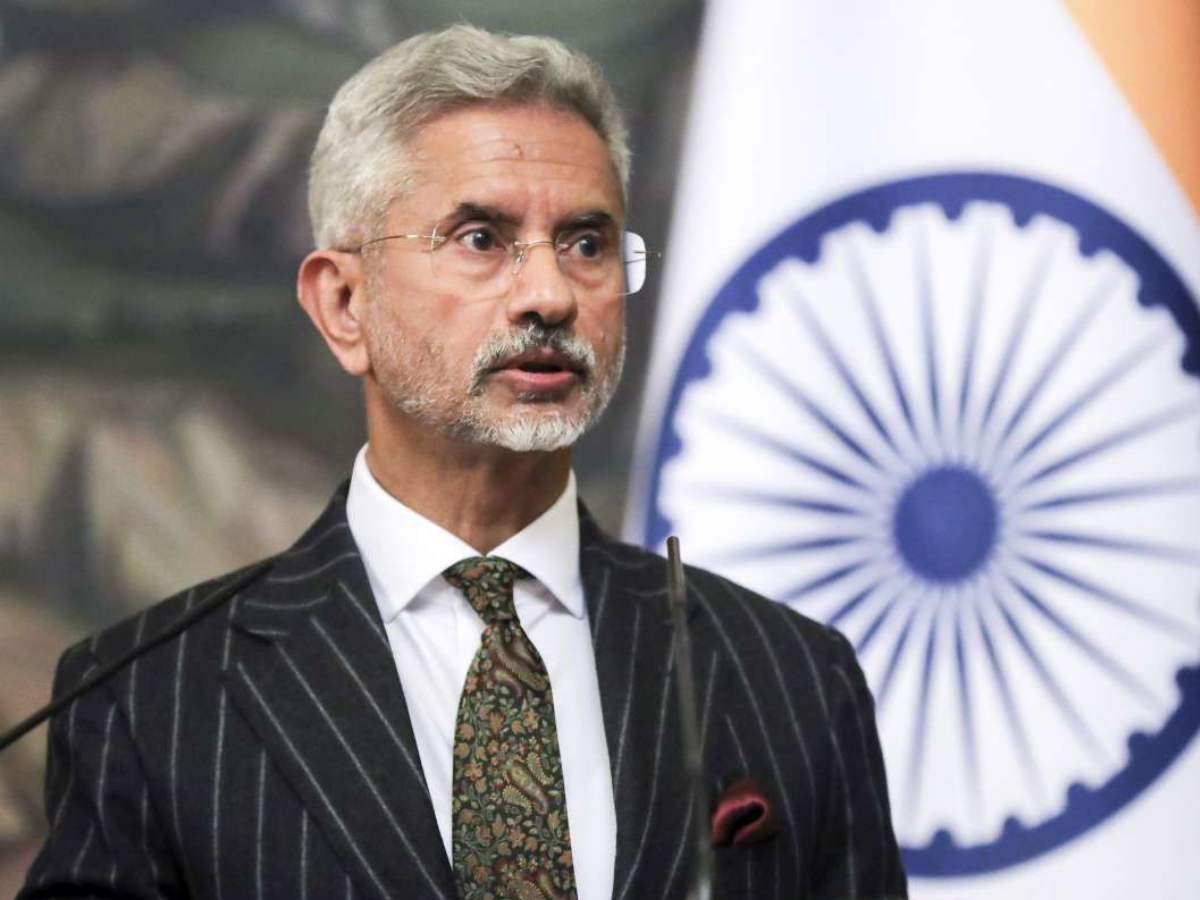
The scheduled visit of India’s External Affairs Minister, S. Jaishankar, to Sri Lanka takes place at a time that is characterized by loss, recovery and solidarity for the region. This comes on the back of the impact of Cyclone Ditwah, which has turned out to be one of the most damaging natural occurrences in Sri Lanka in the past several decades, and India’s response has extended well beyond the realms of foreign relations.
Cyclone Ditwah & A Nation in Crisis
When the Cyclone Ditwah hit Sri Lanka on November 27, the floods and landslides that ensued caused widespread damage. The number of killed stood at over 500 with millions who were left without homes or roads.
Even districts were cut off all this caused a significant effect on Sri Lanka, whose disaster response mechanisms were put to the test. Furthermore, the communities of Sri Lanka were also tested.
What is the Initial Humanitarian Response by India
The response from India was quite unprecedented in both speed and magnitude. In fact, the Indian effort was launched through Operation Sagar Bandhu within hours of the arrival of the cyclone. The Indian Navy ships that were already in Colombo began to deliver relief and planes carried relief materiel to affected areas.
ALSO READ: Epstein Files: Why Did the DOJ Remove a Trump Photo From the Documents?
Rescue teams with dogs and heavy machinery extricated victims from the waters and debris to safety. Medical teams attended to thousands and bridges reconnecting totally isolated areas had been constructed.
More than Aid: Strategic Compassion
The magnitude of the response was not just in emergency aid. Experts in engineering, medicine, aviation and disaster management were working in tandem with the government of Sri Lanka. What was being delivered included not just food and tents but even trauma care units.
ALSO READ: US H-1B Visa Ban on the Horizon? Republican Proposal Could Reshape Tech Jobs
The involvement of states in India also brought with it people to people diplomacy, further underlining that this was not merely an exercise by the government but something more associated with geographical proximity.
What is the Aftermath & Diplomacy
Jaishankar’s current mission brings the attention away from rescue and rehabilitation and moves on to reconstruction. This time, the major topic of discussion will be reconstruction, repairing of infrastructure and developing resistance against disasters that occur due to global warming.
The efficiency of the rescue work by India has already been appreciated by the government of Sri Lanka, and they have labeled the cyclone as the biggest ever challenge they had experienced. This act of New Delhi strengthens the philosophy of the government’s Neighborhood First Policy.
ALSO READ: Where is Epstein’s Island on the Map? Location Explained
Disclaimer: This Article reflects analysis based on publicly available reports and statements and does not represent official positions of any government.