The Government of India has officially started issuing chip-enabled biometric e-passports in 2025, marking a major step in modernizing travel documents. These e-passports aim to enhance security, prevent forgery, and speed up immigration checks at international airports. If you are planning to apply, it is important to know the eligibility, application process, fees, and benefits of this new passport system.
What Is an e-Passport?
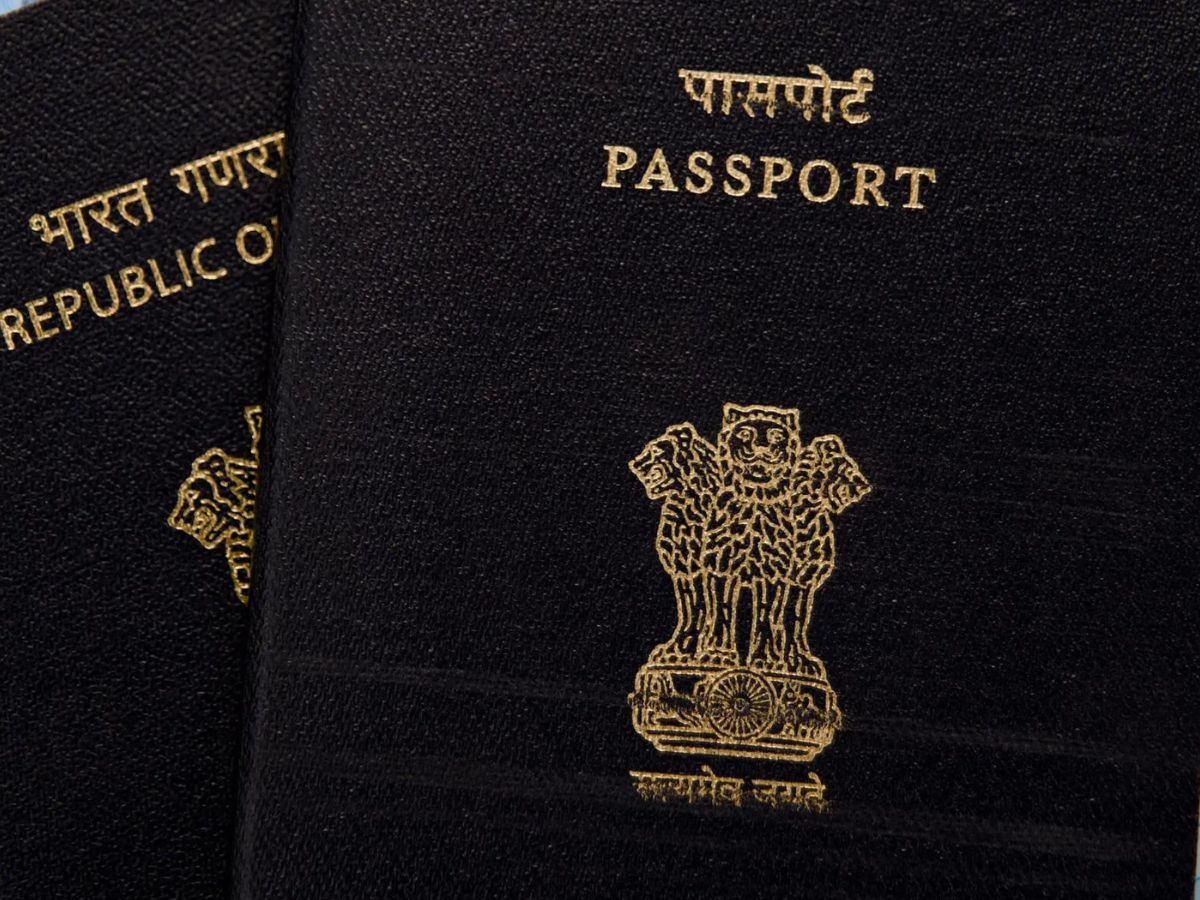
An e-passport (electronic passport) is an advanced travel document that integrates both physical and digital security features. Unlike a traditional passport, it contains:
-
An embedded RFID (Radio Frequency Identification) chip
-
A tiny antenna built into the back cover
-
Securely stored personal and biometric details such as name, photograph, and fingerprints
On the outside, the e-passport looks almost the same as a regular passport, except for a small gold chip symbol on the front cover below the word “Passport.” It is ICAO-compliant (International Civil Aviation Organization), allowing travelers to use automated e-gates at many international airports for faster immigration clearance.
Do You Need an e-Passport?
Upgrading to an e-passport is not mandatory. If your existing passport is valid, you can continue using it until its expiry. However, from 2025 onward, all newly issued or renewed passports will be e-passports by default. Traditional booklet passports are gradually being phased out.
Eligibility Criteria
The eligibility requirements for an e-passport are the same as for a traditional passport:
-
Must be an Indian citizen (adults and minors)
-
Must provide the required supporting documents
Documents Required:
-
Proof of Address: Aadhaar card, voter ID, bank statement, utility bills, etc.
-
Proof of Identity: Aadhaar, PAN, voter ID, or driving license
-
Proof of Date of Birth: Birth certificate for those born on or after October 1, 2023; older applicants can use PAN card or school leaving certificate
-
Photographs: Recent passport-size photos with a white background
-
Biometric Data: Fingerprints and a live photograph taken at the Passport Seva Kendra (PSK)
-
For Minors: Birth certificate, parental consent (Annexure form), and one parent’s passport copy
How to Apply
The e-passport application process is handled through the Passport Seva system: click here to open the portal, https://services1.passportindia.gov.in/psp/FaqEPassport
-
Register Online: Create an account on the official Passport Seva portal.
-
Fill Application Form: Select “Apply for Fresh Passport” or “Re-issue of Passport” and complete the form.
-
Pay Fees: Online payment via debit/credit card, internet banking, or UPI.
-
Book Appointment: Choose a slot at your nearest PSK or Post Office PSK.
-
Attend Appointment: Carry original documents and self-attested copies; biometrics will be captured.
-
Police Verification: Usually required for fresh passports; Tatkal applicants may undergo verification afterward.
-
Passport Issuance: After successful verification, the e-passport is printed and delivered via Speed Post.
Fees and Validity
-
Adults (36 pages, 10 years): ₹1,500 (Normal) / ₹3,500 (Tatkal)
-
Adults (60 pages, 10 years): ₹2,000 (Normal) / ₹4,000 (Tatkal)
-
Minors (36 pages, 5 years or until 18 years): ₹1,000 (Normal) / ₹3,000 (Tatkal)
-
Discounts: 10% for children under 8 years and senior citizens above 60
-
Processing Time: Normal – 2–4 weeks; Tatkal – 1–3 working days after verification
Benefits of an e-Passport
The e-passport ensures higher security, reduces the risk of forgery, and allows faster immigration processing through automated e-gates. Its global recognition also provides convenience for international travel. While not mandatory, opting for an e-passport provides additional protection and efficiency.
Also Read: How to Apply for e-Passports in India: Eligibility, Process, Benefits, and Key Details