US Tariff Threat Jolts India’s Oil Gameplan
Former US President Donald Trump’s fiery remarks targeting India’s purchase of Russian oil have jolted New Delhi’s energy diplomacy and trade calculations. While India has long relied on discounted Russian crude to fuel its economy, Trump’s warning of a punitive 25% tariff comes as a surprise twist in the ongoing trade dance between the two nations.
India’s Oil Pivot After Ukraine War
After Russia’s invasion of Ukraine in 2022, Western sanctions compelled Moscow to seek buyers in the east. India, scenting opportunity, quickly increased its imports. Russian crude, previously accounting for only 0.2% of India’s oil imports, jumped to supply almost 45% by mid-2023. India even purchased more than 2 million barrels a day at one stage, replacing Saudi Arabia and Iraq as its biggest suppliers.
The oil came cheap thanks to a G7-imposed $60 per barrel price cap and India’s refineries, like Mukesh Ambani’s Reliance Industries, profited handsomely. The discounted oil was either used domestically or exported as refined products, even back to Europe.
Trump’s Tariff Threat Shakes Delhi’s Calculations
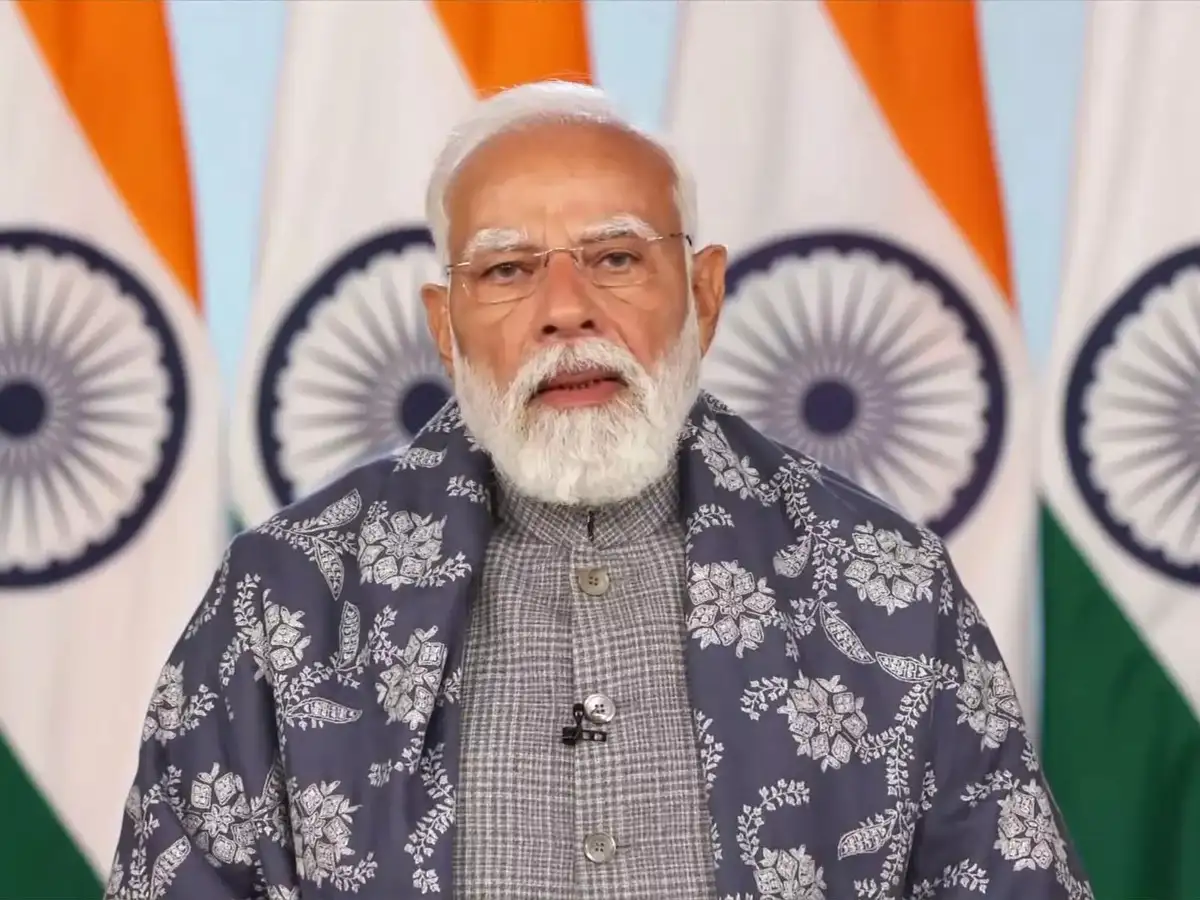
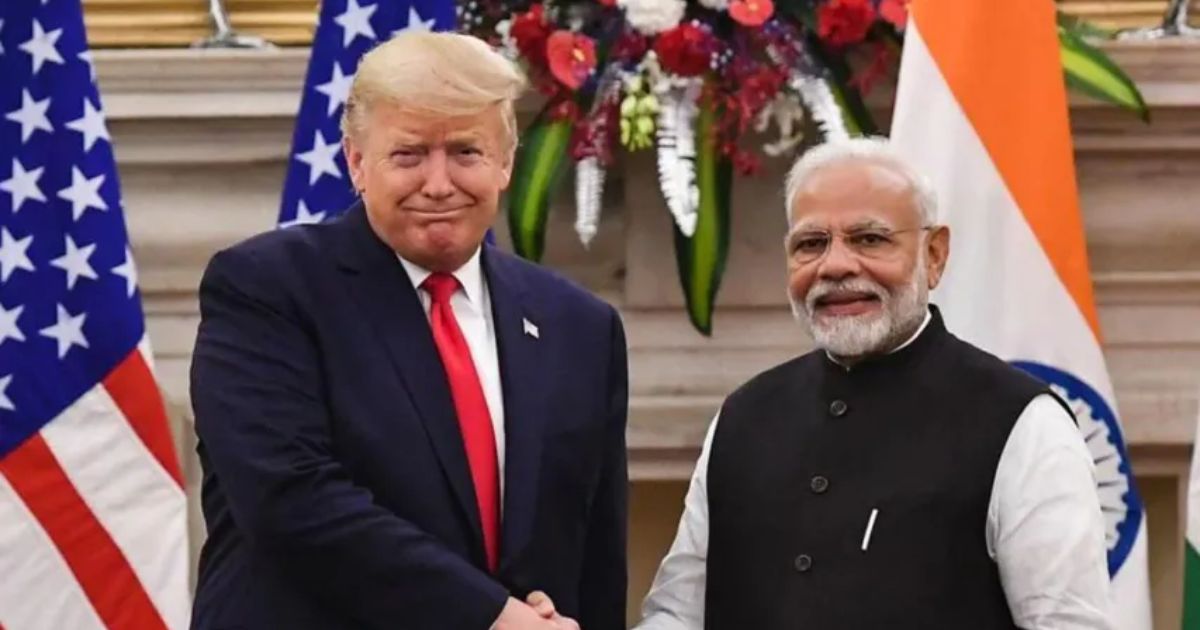
Trump’s tantrum has brought a new level of pressure on Prime Minister Narendra Modi. Although India had taken a bet that a second Trump term would make its Russia business less complicated, his latest action risks upsetting that equation.
Trump criticized India’s ongoing energy relations with Russia, blaming it for undermining sanctions around the world and threatening to charge Indian products a tariff of 25%. He even threatened to reduce stand-alone oil purchases from Pakistan, hinting India might someday have to purchase oil from its arch-nemesis.
This rhetoric puts Modi in a tight corner balancing national interest and geopolitical optics. India, proud of its strategic autonomy, is now caught between the choice of continuing Russian imports or risking Washington blowback.
Sophisticated Logistics, Expensive Exit
It won’t be easy for India to leave Russian oil behind. The nation’s refineries are geared to the heavier, higher-sulfur grade of Russian crude. Redesigning them or substituting supply with alternatives would be costly and complicated, according to analysts at Kpler.
Their note cautions that any coercive switch would be “costly, complex and politically fraught,” particularly as global energy prices continue to be unstable.
India Pushes Back- Quietly
Indian authorities have thus far maintained their public reaction measured. Ajay Srivastava, a former Indian trade bureaucrat, said Trump’s threats were all part of a bigger negotiation strategy. He highlighted the way cheap Russian crude assisted India in controlling inflation during times of uncertainty, describing the energy alliance as a strategic victory.
Despite declining imports from Russia in recent weeks, there is no indication India is about to dump the relationship entirely.