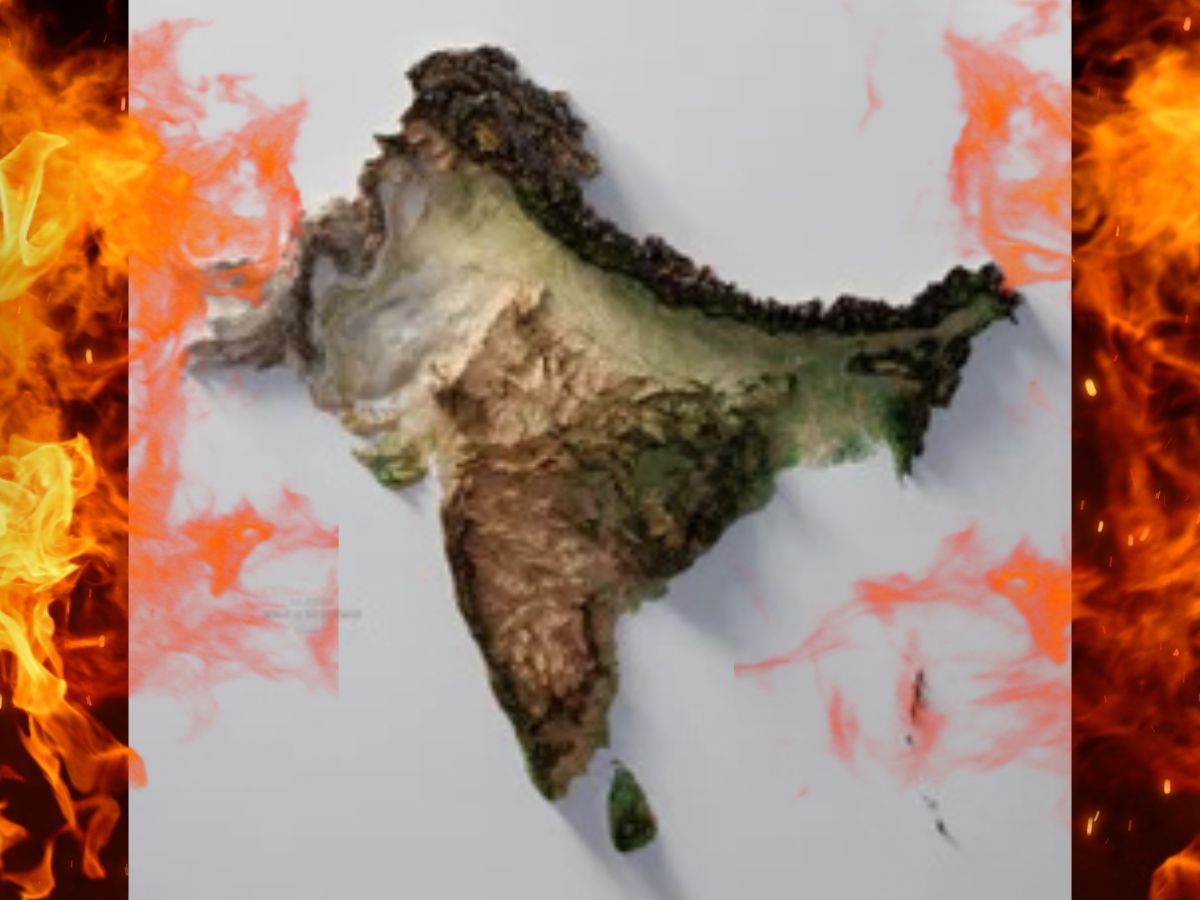
The region of South Asia, also known as Indian subcontinent has been exposed to chaos in internal affairs and lot of mayhem lately. India’s immediate neighbourhood, including Pakistan, Afghanistan, Sri Lanka, Bangladesh, and now Nepal, has been an area of unrest and instability. This regular disturbance is due to a complicated mix of historical grievances, political turmoil, economic vulnerability, and geopolitical competition, creating both direct and indirect threats to India’s security and regional leadership. The string of incidents also seems sponsored by either US-led West or China-Russia forces. Either way, the subcontinent transforming into proxy battleground have led to many vulnerabilities for India to take care of.
ALSO READ | Nepal: Is Chinese Toolkit Active Behind Corruption and Mis-governance?
Reasons for Instability in India’s Neighbourhood
A number of issues drive the instability in these nations. Pakistan’s long-standing dispute with India over Kashmir, combined with domestic political instability and terrorism issues, continues to be a major driver of regional instability. The army acting as the political top-brass adds to the problem. Afghanistan, having been under Taliban control since 2021, still struggles with issues of governance and humanitarian crises, which affect the security dynamics.
Sri Lanka’s economic breakdown recently has shook its political system, leading to social unrest and governance problems, while Bangladesh witnessed severe political turmoil characterised by student movements and leadership crises which even led to the political leadership to vacate and a regime change. Nepal’s recent political crisis, which was initiated by protest against the ban on social media and mass protests, ended with the resignation of Prime Minister K P Sharma Oli, demonstrating underlying political dysfunction.
Experts also refer to structural factors like poverty, joblessness, ethnic cleavages, and fragile institutional arrangements as underlying factors that fuel social unrest and regime instability throughout South Asia. External interference and the increased role of China and the U.S. are further factors that create a climate of competition and distrust and complicate regional dynamics further.
Implications for India
The instability of the neighbourhood immediately affects India’s national security, economic interests, and diplomatic stand. Cross-border terrorism, refugee flows, interrupted trade lines, and the spillover of extremist ideologies tax India’s resources and strategic attention. In addition, pending border disputes and geopolitical competition, especially by China’s deep presence, further complexing security issues.
ALSO READ | India Responds to the ‘Ill-informed’ Remarks by Switzerland in UNHRC
What do the Experts Say
Experts suggest a mature, multi-dimensional approach for India to navigate through this volatile regional environment:
- Strengthen Diplomatic Engagements: India needs to intensify bilateral and multilateral dialogues, focusing on building trust and addressing core irritants like border disputes and water-sharing agreements. Initiatives such as the “Neighbourhood First Policy” aim to enhance cooperation in economic development, infrastructure connectivity, and cultural exchange to create a sense of shared prosperity.
- Ensure Democratic and Institutional Stability: Support for democratic governance and institution-building amongst neighbouring nations can promote resilience to political crises. Leaving local political processes to unfold but providing diplomatic support is important, as in India’s cautious yet vigilant approach to Nepal’s protests.
- Increase Regional Economic Integration: Greater trade ties, infrastructure connectivity initiatives (such as BBIN and IMT corridors), and cross-border energy cooperation can establish interdependencies that deter violence and foster regional stability.
- Counterterrorism and Security Cooperation: Collective action with neighbours and the international community to counter terrorism, extremism, and transnational crime is still critical to maintaining regional peace.
- Manage Great Power Rivalry: India needs to manage relationships carefully while pushing back against China’s growing influence and the shifting role of America in the region, using its own soft power, strategic autonomy, and alliances.
ALSO READ | Nepal Crisis: Curfew Loosened Up, Army Tries to Handle Unrests
Way Forward
The Indian subcontinent faces unrest is rooted in interlinked historical, political, socio-economic, and geopolitical reasons. Theorists underpin India’s strategic role as a regional anchor based on calibrated diplomacy, economic consolidation, and security partnership. Adopting a balanced, patient, and inclusive neighbourhood policy based on collective respect and common development can shift India’s neighbourhood from a region of turbulence into an arena of stability and growth. This strategic policy is the key to achieving India’s national interests as well as promoting peace in one of the most intricate and densely populated areas in the world.