
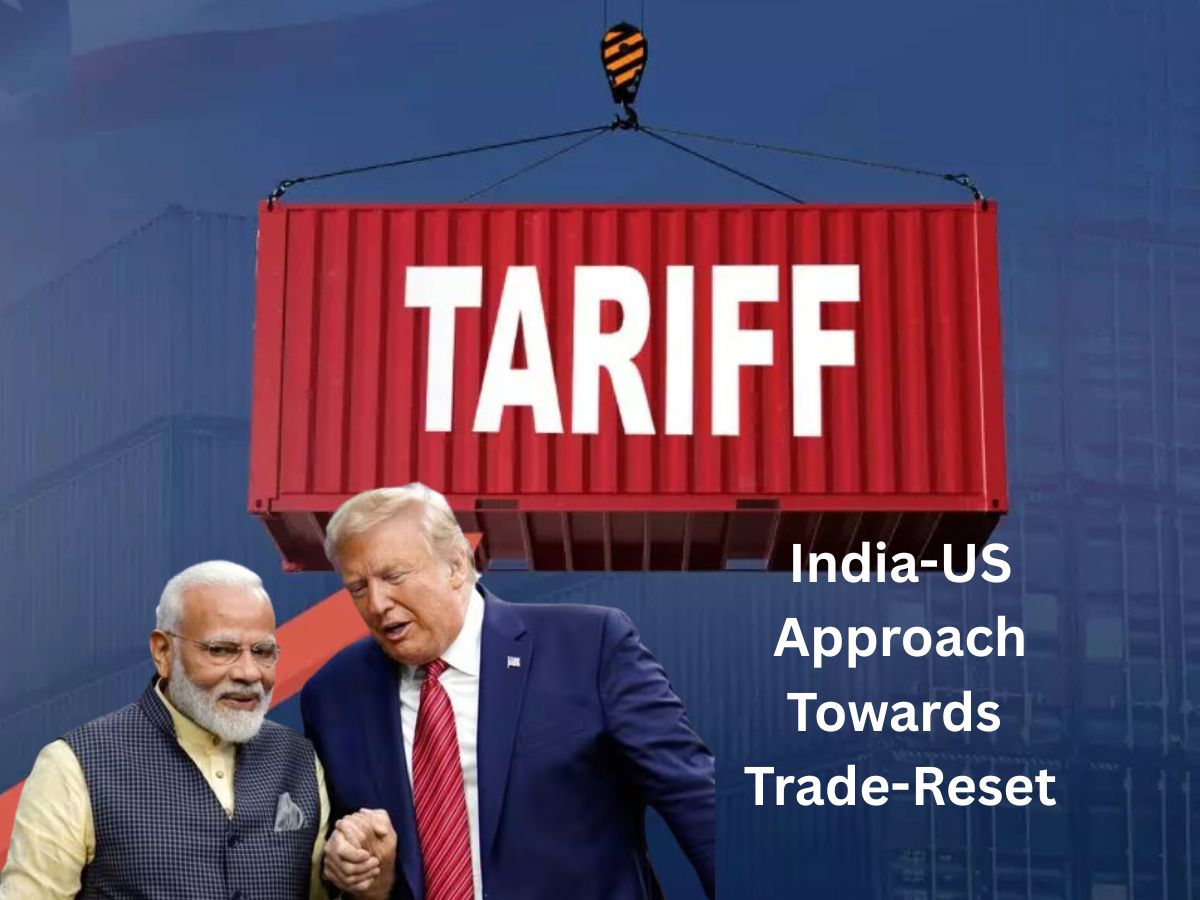
India and the United States recently moved to restart and speed up their bilateral trade negotiations, reflecting a promising improvement in relations after months of tensed ties. The most recent round of negotiations, today i.e. September 16, 2025, in New Delhi between a US delegation headed by Assistant U.S. Trade Representative Brendan Lynch and Indian officials led by Commerce Ministry Special Secretary Rajesh Agrawal, were both “positive” and “forward-looking,” both sides said. It was after POTUS Donald Trump had imposed tariffs of 50% on Indian imports, including retaliatory duties meant to put pressure on India’s trade with Russia.
Warm Words Between Leaders Lift Bilateral Relations
Amid these developments, a warm and friendly phone call from President Trump to Prime Minister Narendra Modi on the eve of Modi’s 75th birthday has added further optimism. Trump praised Modi’s leadership and expressed gratitude for his support towards resolving the Russia-Ukraine conflict.
Modi reciprocated, thanking Trump for his greetings and reaffirming India’s commitment to strengthening its strategic partnership with the US.
The relationship between the leaders seems to have assisted in smoothening diplomatic tensions and facilitating a favourable climate for positive trade negotiations.
Positive Implications of a Possible Trade Deal
If the trade negotiations result in a broad agreement, it will have long-term implications. For India, an agreement would mean much-needed relief from retaliatory tariffs hurting exports, most notably fisheries, jewellery, textiles, and agriculture which had declined in the past few months. It would also unlock doors for greater US technology, capital, and market access, strengthening India’s manufacturing base and programs such as “Make in India.”
From US point of view, a trade agreement would give US businesses greater access to India’s huge consumer market, particularly in fields such as e-commerce, and digital services. It would also create transparent standards for data flows, intellectual property rights, and regulatory coordination that would enable more seamless and secure bilateral trade. However, they would also want access to India’s agriculture and dairy sector.
Challenges and Way Forward From Here
In spite of the positive tone, the visible issues are considerable enough. India is not willing to let go of certain protections regarding its dairy and agricultural sectors, and the US stays stubborn on decreased Indian imports of Russian oil. Both recognise these as “red lines,” and compromise will take some creative diplomacy.
The new intensified efforts from mutual acknowledgment of the economic and geopolitical significance of this alliance in an approaching multipolar world. More rounds of virtual and in-person negotiations are scheduled, and experts have guarded optimism that a mutually rewarding trade pact can be agreed on any time soon.
India’s commerce ministry and the US trade office’s public remarks, as well as the warm exchange of words between PM Modi and POTUS Trump highlight a promising path forward for India-US economic relations, which may set to boost growth and strategic cooperation in the coming years.