India has emerged as one of the largest buyers of Russian crude oil since the Ukraine war began in February 2022. Before the war, Russian oil made up less than 1% of India’s total imports. Now, it accounts for about one-third of the country’s oil supply — a dramatic shift that highlights how India adapted quickly to geopolitical changes.
Indian refineries have taken full advantage of discounted Russian crude, which became available after Western nations imposed sanctions and embargoes on Moscow. These cost-effective deals have helped India manage its energy needs and control domestic fuel prices during a period of global inflation. Moreover, the flexible payment systems including transactions in non-dollar currencies further encouraged India’s growing oil trade with Russia.
This surge in imports not only saved billions of dollars in import bills but also allowed India to maintain economic stability while the West reeled under high energy prices. However, this reliance has drawn increasing scrutiny from the West, especially with Trump’s proposed secondary sanctions that could target countries continuing to engage in energy trade with Russia.
India Might Face Economic Impact If Tariffs Are Imposed
If Trump follows through with the sanctions, it could seriously affect India’s economy. Unlike earlier sanctions that only penalised specific companies doing business with Russia, Trump’s proposed secondary tariffs would target all countries importing Russian goods. This means India’s entire export industry — not just oil — could be impacted.
Reports suggest Indian refiners may then be forced to shift to alternative suppliers, mainly from West Asia and countries like Brazil. However, this switch would mean higher prices and added pressure on India’s import bill.
India Prepares but Remains Calm
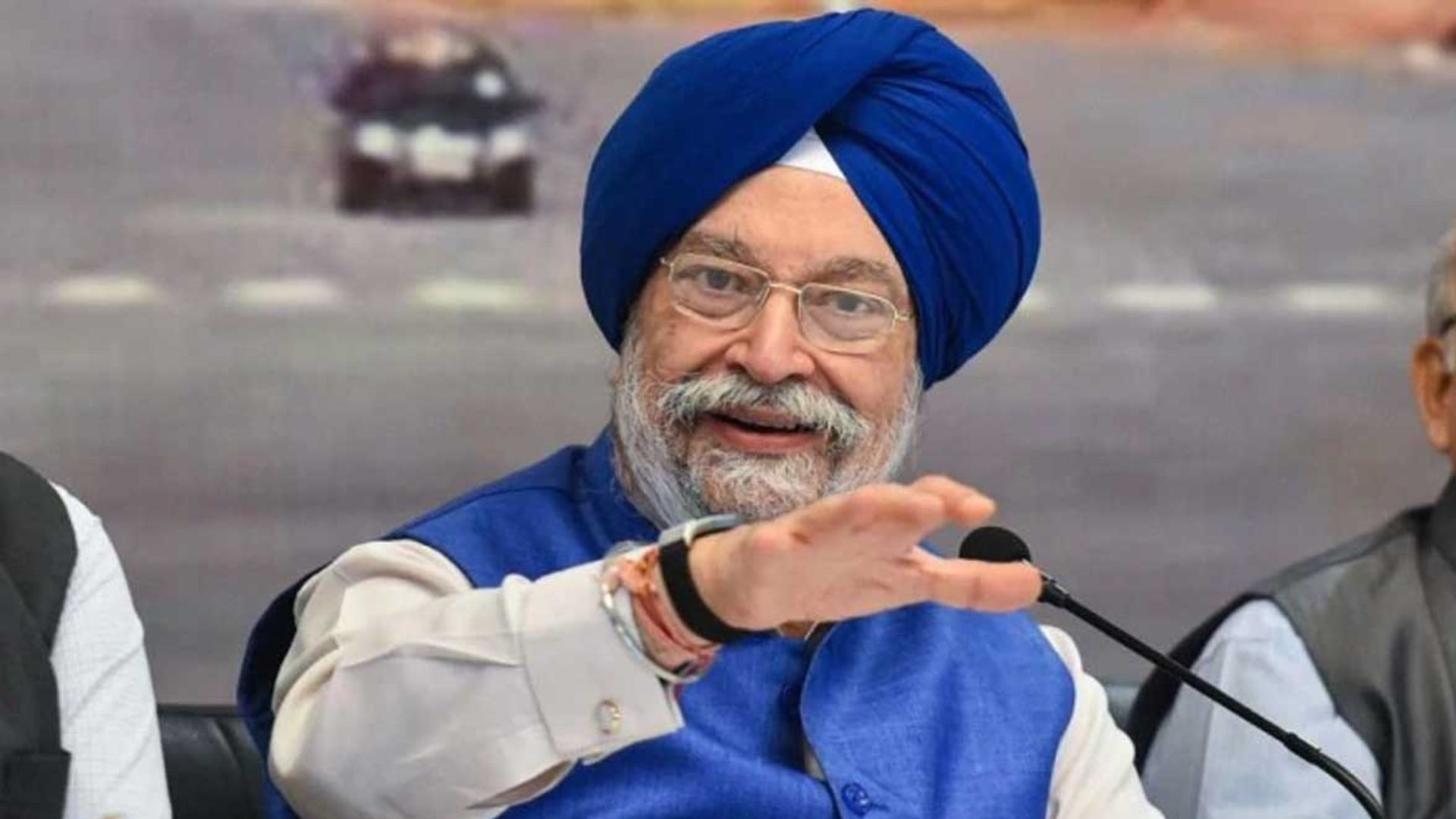
While Trump’s sanctions warning has drawn global attention, India remains calm — at least for now. Minister Puri’s comments reflect confidence that India can handle the situation, thanks to its broadening oil sources and proactive diplomacy. Over the past year, India has actively diversified its energy portfolio, increasing crude purchases from countries like Iraq, Saudi Arabia, and even exploring deals with Latin American producers such as Brazil and Guyana.
However, with global oil markets already volatile and Russia’s war showing no sign of ending, Trump’s 50-day deadline could soon put India in a tough spot. A shift away from Russian oil would not only mean higher costs but also pressure on refining margins and overall inflation. Still, India seems determined to shield its economy and energy security, signalling that national interest will guide its next steps.