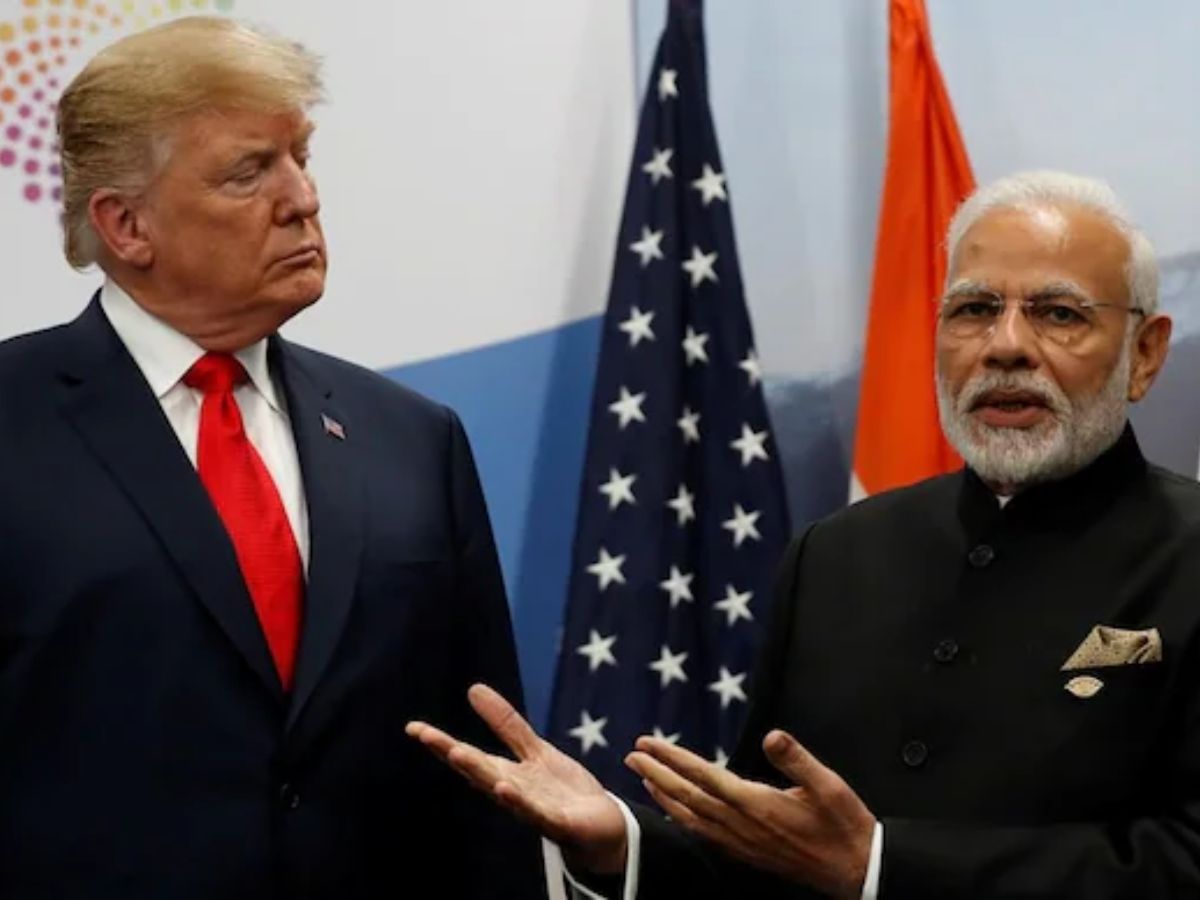
The escalating trade dispute between India and US has hit a new low with India pausing key arms purchases from US. Reports reveal that India cancelled Defence Minister Rajnath Singh’s planned Washington visit, which aimed to finalise several defence deals.
US Tariffs Trigger Defence Purchase Freeze
India had been gearing up to announce major procurements, including Stryker combat vehicles and Javelin anti-tank missiles. However, three Indian officials disclosed that India has put these plans on hold.
While India has not officially ordered a halt, officials say there is no forward movement on defence buys for now. The purchases could resume once India gets clarity on the tariff situation and the future of bilateral relations.
Long-Standing Defence Ties Under Strain
The choice to stop buying shows how defence cooperation is impacted by trade disagreements. Officials said there has been no significant disruption to India’s military-to-military relations with the United States, which include intelligence sharing and joint exercises.
Energy Security and Political Complexities
India argues that energy security depends on its purchases of Russian oil. If prices coincide, India has stated that it is willing to reduce purchases and look into other options, such as US oil. However, quick departures from Moscow are complicated by political realities and growing anti-US sentiment in India.
Russia is aggressively promoting new defence technologies, like the S-500 missile system, to India. However, Indian officials say that while they do not currently see a need for new Russian weapons, they do see the necessity for continued support for current Russian systems.
ALSO READ: US Senator Warns Trump’s “Tariff Tantrum” Could Risk Two Decades of US-India Progress
Trade Policy as a Strategic Lever
This shows how economic tools like tariffs have become strategic levers in broader geopolitical contests. US is signalling to India that trade policies can influence defence partnerships and foreign policy choices. India, in turn, must balance economic interests, defence modernisation, and geopolitical autonomy carefully.
As India navigates this complex terrain, the interplay between trade and security will shape the future of its ties with Washington—and possibly its standing on the global stage.