
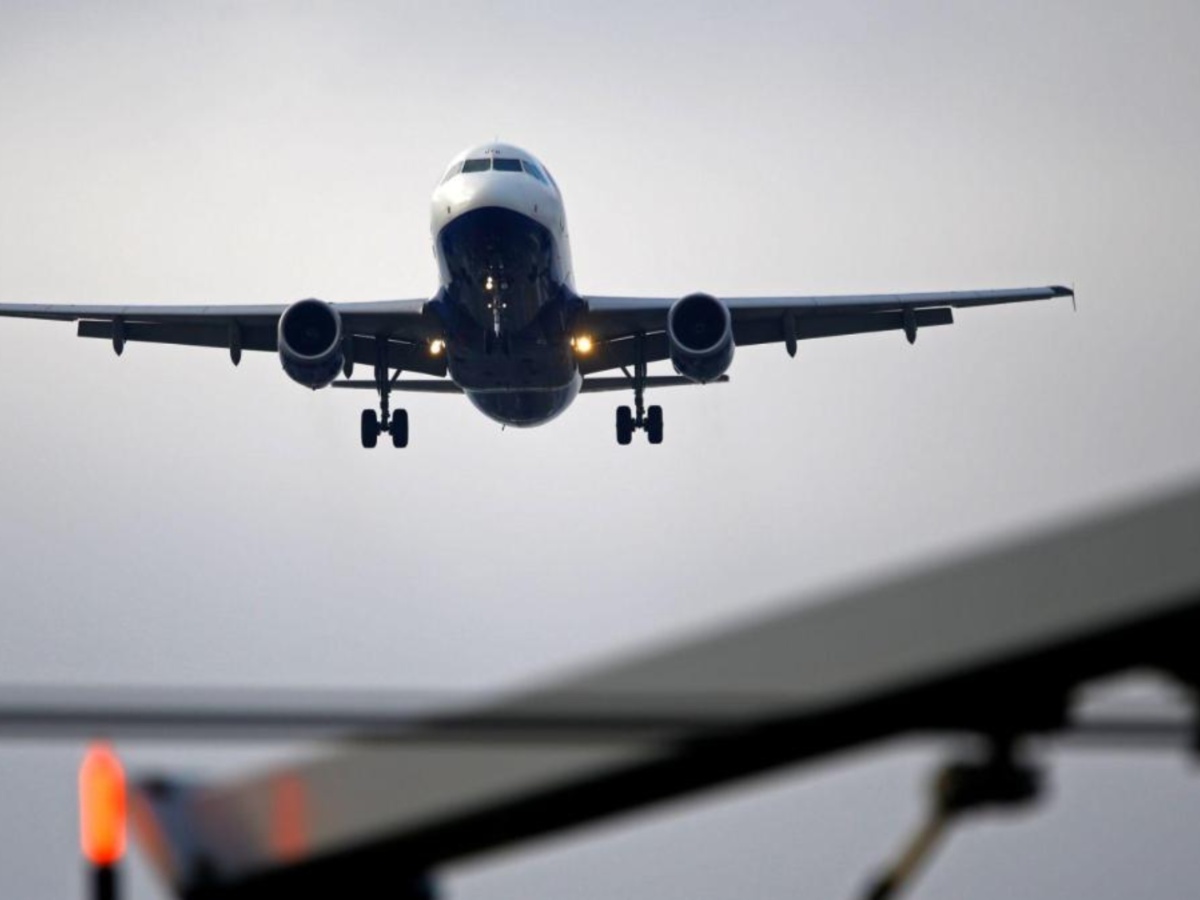
India has extended its ban on Pakistani airlines and aircraft from entering Indian airspace until September 24. The fresh notice to airmen (NOTAM) was issued late Friday night. The move came just two days after Pakistan extended its own restrictions on Indian carriers for the same period. With this step, tit-for-tat airspace restrictions between the two countries are entering their fifth month. The closure, which began after the April Pahalgam terror attack, continues to disrupt aviation ties and heavily impacts Indian airlines while leaving Pakistan with only minimal consequences.
How the Restrictions Began
The restrictions stem from the April 24 Pahalgam terror attack in which Pakistan-based terrorists killed 26 civilians. In response, Pakistan barred Indian aircraft from its airspace on April 24. India reacted on April 30 by issuing a reciprocal ban on Pakistani carriers. Since then, both nations have extended the restrictions month after month through successive NOTAMs.
Read More: PM Modi’s Japan Trip Could Unlock $68 Billion Investment Deal: Report
India’s Latest Extension
India’s new NOTAM mirrors previous ones but extends the closure until 5:29 am on September 24. It applies to all Pakistani aircraft, including military flights. Pakistan’s latest NOTAM, issued on August 20, also expires at the same time, keeping both sides locked in a cycle of extensions without resolution.
Heavy Impact on Indian Airlines
The closure has created serious challenges for Indian carriers. Around 800 weekly flights, mostly from North India to West Asia, Europe, the UK, the Caucasus, and North America, are forced to take longer routes. Detours add anywhere from 15 minutes to several hours to flight times. Fuel consumption has surged. Crew scheduling has become more complex. Operational costs have gone up sharply. IndiGo even suspended its Delhi-Almaty and Delhi-Tashkent routes because longer detours exceed the range of its narrow-body aircraft. Air India, Air India Express, SpiceJet, and Akasa Air also face disruptions.
Minimal Impact on Pakistan
By contrast, Pakistan faces limited consequences. Pakistan International Airlines (PIA), the country’s financially strained national carrier, has only a small international presence. According to aviation analytics firm Cirium, just six weekly flights, mainly between Kuala Lumpur and Lahore or Islamabad, used to cross Indian airspace. The ban does little to hurt PIA compared to the severe impact on Indian airlines.
Read More: When Chandrayaan-3 Made India the First to Reach the Moon’s South Pole?
A Costly Deadlock
The reciprocal bans highlight the sharp deterioration in India-Pakistan ties after the Pahalgam attack and yet, while Pakistan’s limited aviation footprint shields it from major harm, Indian airlines continue to shoulder heavy costs. With no diplomatic breakthrough in sight, the costly deadlock in the skies looks set to continue.