
India’s Defence Acquisition Council (DAC) is expected to give the green light to defence procurement proposals worth roughly ₹80,000 crore in its year‑end meeting. The move reflects a strong push to modernise the armed forces and strengthen the defence manufacturing base. The meeting is being chaired by Defence Minister Rajnath Singh and attended by top military and bureaucratic leaders.
Market watchers are closely following developments as shares of defence companies such as Bharat Electronics Ltd (BEL) and Bharat Dynamics Ltd (BDL) rose ahead of the meeting, showing investor optimism about fresh orders for defence equipment.
What will the DAC Meeting Discuss?
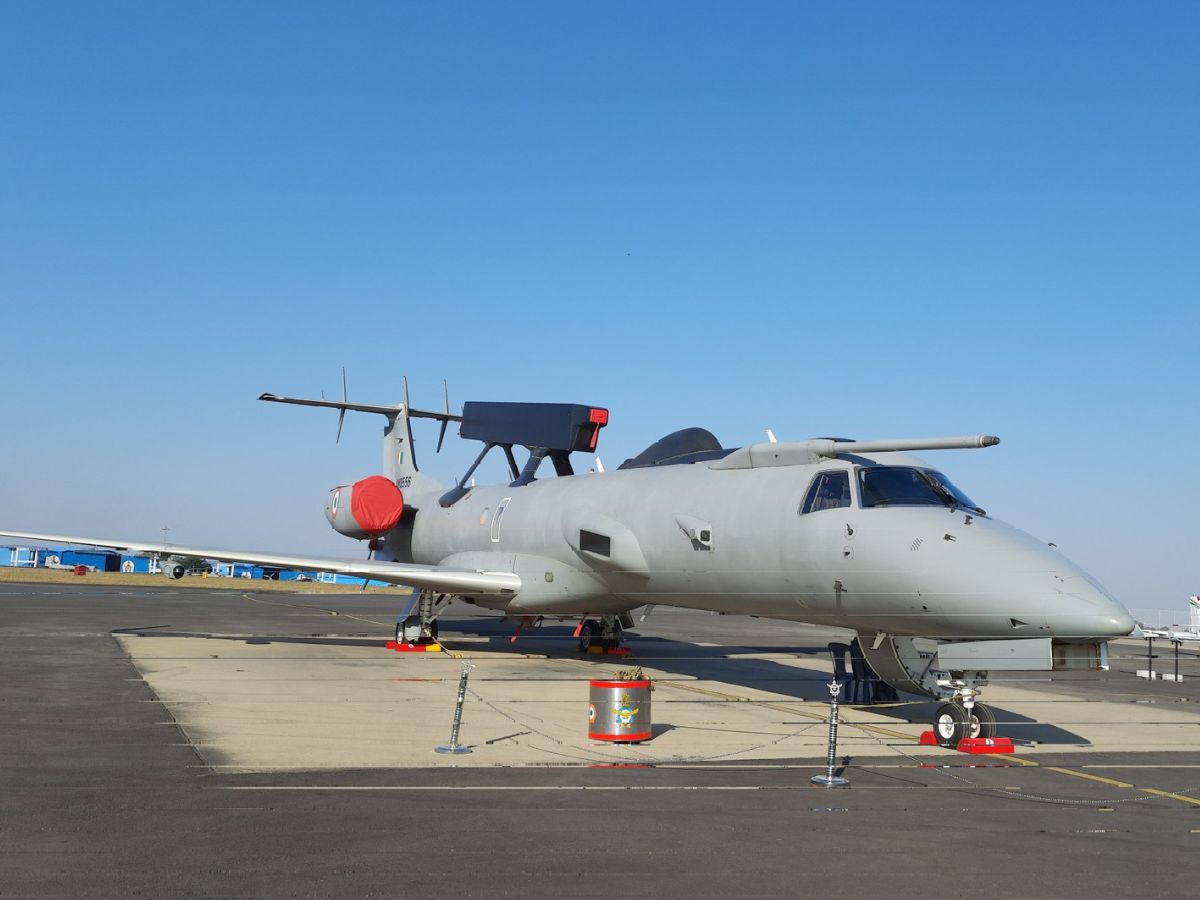
The DAC is likely to consider proposals on emergency and capital defence purchases ranging across weapons systems, surveillance platforms, and other military gear. Reports have mentioned that systems such as Airborne Early Warning (AEW) aircraft and integration of indigenous surveillance systems may be on the agenda.
Earlier in the year, the DAC cleared proposals worth over ₹54,000 crore that included tank engines, torpedoes, and AEW&C systems to enhance the capabilities of the Army, Navy, and Air Force. If the current meeting follows through, this could be among the most impactful procurement sessions of the year.
Focus on Emergency Procurement
One key aspect expected at the meeting is emergency procurement approvals. These are faster, targeted purchases aimed at addressing urgent capability gaps in the armed forces. Emergency procurement has been used this year to bring in counter‑terrorism equipment, radar systems, and other mission‑critical tools.
Such fast‑track approvals help the military respond quickly to emerging threats and evolving security dynamics.
Boost to Domestic Defence Production
The anticipated ₹80,000 crore approvals come at a time when the government is heavily promoting the “Atmanirbhar Bharat” push in defence. The aim is to build a robust domestic defence manufacturing ecosystem that reduces reliance on imports and increases local jobs and technology development.
Past DAC decisions have emphasised procurement under the Buy (Indian‑IDDM) category, which mandates high indigenous content. This focus aligns with other major approvals this year, where proposals worth over ₹1.05 lakh crore were cleared under the indigenous procurement category earlier in 2025.
Impact on the Defence Sector & the Economy
Approvals of this scale can significantly boost India’s defence industry. Firms involved in defence production, from large public sector units like BEL and BDL to private contractors, could benefit from increased orders and long‑term contracts.
Investors often track DAC meetings closely because procurement clearances can act as catalysts for defence stocks. Anticipation of enhanced defence spending tends to lift sector sentiment on the markets.
Strengthening Operational Capabilities
The expected procurements are aimed at enhancing operational readiness across the three services:
- Army: Mobility and firepower upgrades
- Air Force: Surveillance, radar and command systems
- Navy: Anti‑submarine and maritime mission gear
This is part of a larger strategy to modernise India’s armed forces and fill capability gaps revealed in recent defence planning cycles.
Defence Meeting Signals Strategic Continuity
The year‑end DAC meeting isn’t just about approvals — it signals continuity in India’s long‑term defence strategy. As regional tensions persist and global military technology rapidly evolves, sustained procurement and domestic manufacturing capacity become vital.
Experts say that consistent investment, reflected in these large‑scale procurement plans, helps India maintain readiness while moving toward self‑reliance.