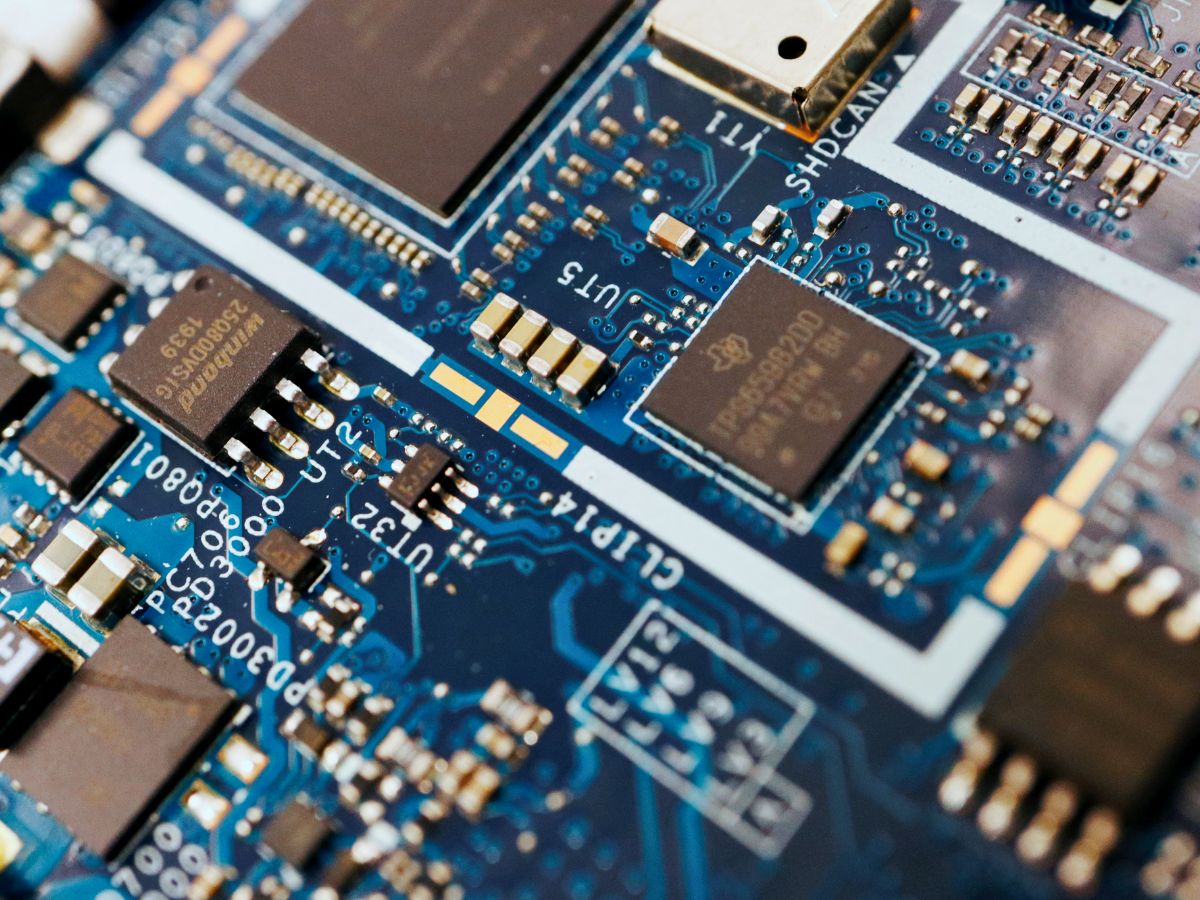
India has unveiled a big roadmap to make advanced 7-nanometre (nm) chips by 2030. The government aims to cut dependence on foreign suppliers and position India among the top five global chipmakers. The plan combines heavy investment, foreign technology tie-ups, and research partnerships.
India Chip Manufacturing Effort – Tata Group Leads
Tata Group is building the country’s first semiconductor wafer fabrication facility in Dholera, Gujarat. The project, worth Rs 91,000 crore, will begin with the production of 28 nm chips and above. This facility marks the start of India’s chip-making journey.
A senior official from the Ministry of Electronics and Information Technology (MeitY) confirmed the timeline. “We already have a clear road map to enable companies to manufacture 7 nm and above chips within the next five to seven years. We are tying up the technology, and talks are underway. Our 15-year plan is aimed at making India a global player in this space.”
ALSO READ: Bail Or Jail? Umar Khalid’s Five Years in Jail Without Trial Raises Big Questions
Global Tie-Ups for Advanced Technology
India is in talks with IBM and Belgium’s IMEC, a leading nanoelectronics research hub. These collaborations will bring in expertise on chip design, advanced packaging, and intellectual property. IBM is also expected to set up a research centre in India under the India Semiconductor Mission.
Globally, IBM has partnered with Japan’s Rapidus Corporation and companies like Toyota, Denso and NEC to target sub-2 nm chip production. TSMC, the world’s largest chipmaker, plans to start 2 nm chip production in Japan by 2027.
Government’s Incentives & Investments
So far, India has approved three major semiconductor projects, including Tata’s Dholera fab in partnership with Taiwan’s Powerchip Semiconductor Manufacturing Corp. In total, 10 semiconductor projects worth Rs 1.75 lakh crore have been cleared. The government has earmarked Rs 75,000 crore as incentives to attract global and local players.
ALSO READ: India-EU Trade Talks Move Into High Gear
Building a Strong R&D Base
To encourage domestic R&D, India has also started its first semiconductor design programme (SMDP). Partnerships with leading global semiconductor companies like TSMC and Intel are part of the program. The goal of the 2036 roadmap is to create a strong design, manufacturing, and exporting environment.
Aiming for Chip Independence
The big angle here is India’s attempt to become self-reliant in critical technology. Semiconductors are not just about economic growth. They are also linked to national security and digital independence. Chips power almost everything today – from phones and cars to defence systems and AI.
India is showing its plan to catch up with global leaders and secure a strong place in the next tech revolution by aiming for 7 nm chips by 2030.
ALSO READ: Coldplay Concert Kiss Cam Scandal: Kristen Cabot Files for Divorce After Kiss Cam With Andy