
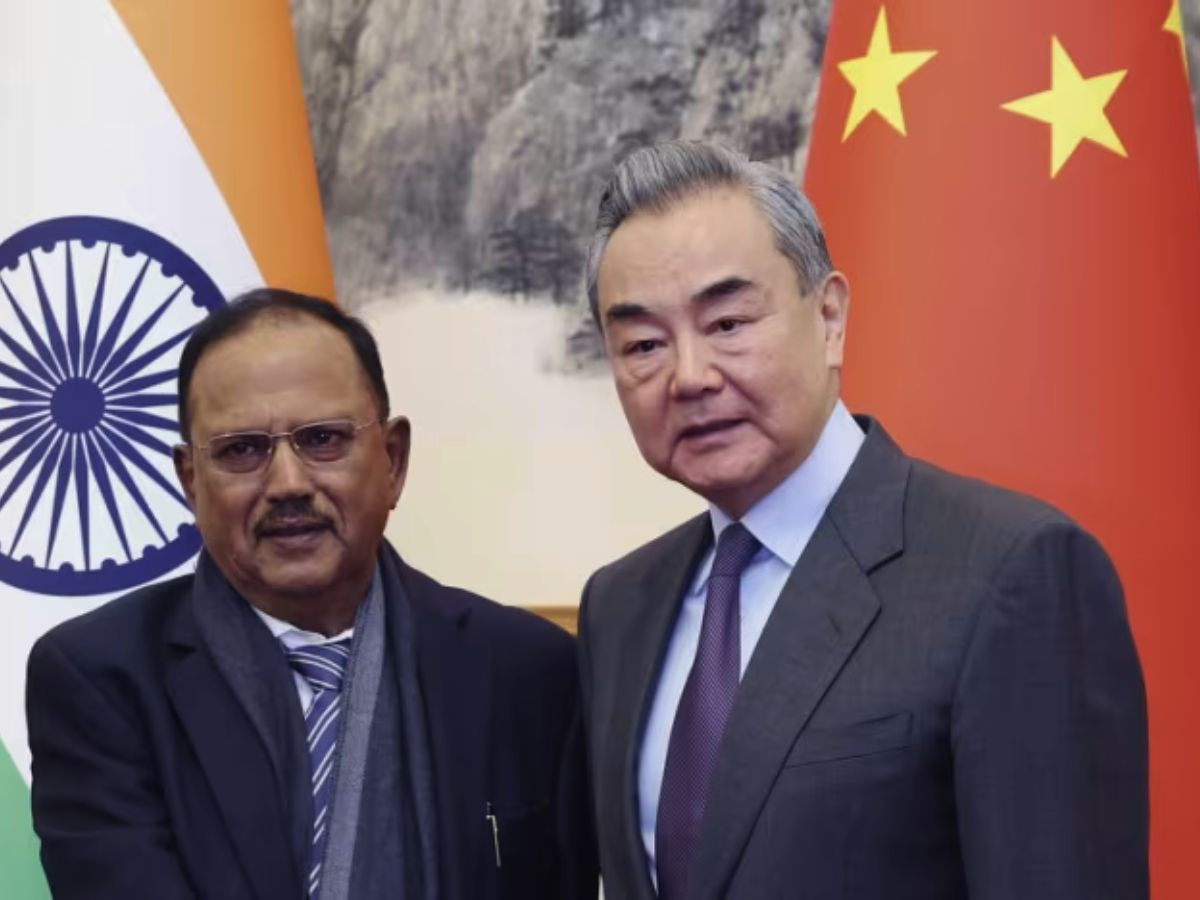
India and China have agreed to start a detailed delimitation process to move towards the final marking of their border. National Security Advisor Ajit Doval and visiting Chinese Foreign Minister Wang Yi wrapped up the 24th round of India-China Special Representative talks with an agreement to first resolve the easier parts of the boundary. Both sides also promised to keep their armies in a non-offensive posture along the border.
Step-by-Step Plan for Border Settlement
The talks will follow a step-by-step process. First, India and China will set up a group of technical experts under the Working Mechanism for Consultation and Coordination on India-China Border Affairs (WMCC). The group will be led by a joint secretary from India’s Ministry of External Affairs.
ALSO READ: India and China to Form Two New Groups to Resolve Border Issues
Second, both sides will identify stretches of land along the border where there is little dispute. Third, they will officially mark or delimit these areas. Finally, the boundary will be permanently marked with pillars to establish the international border. This gradual or piece meal approach is meant to produce early results and boost confidence between the two countries.
Working on Easier Areas First
NSA Doval and Foreign Minister Wang Yi have chosen three sectors for the first stage of delimitation. These areas have fewer disagreements. India and China hope to ease tension and create momentum for addressing more difficult issues later.
Moving Armies to Non-Offensive Posture
Both countries also agreed to keep their armies in a non-offensive stance, especially in East Ladakh. This entails relocating artillery, rockets, and tanks to non-threatening positions. India’s Ladakh side has steep mountains and narrow passes, while China’s side is the flat Tibetan plateau, which allows faster troop movement.
Despite these differences, both countries will act with sensitivity and reduce the chance of a military threat. This marks the first real step toward de-escalation and long-term calm along the Line of Actual Control (LAC).
ALSO READ: PM Modi to Visit China for SCO Summit on Aug 31, Talks Signal ‘New Energy’
Steps Toward Normal Relations
The move toward normalization follows the October 23, 2024, meeting between PM Narendra Modi and President Xi Jinping. Both sides are working to bring relations back to the stage they were in before the 2020 clashes, while still watching their strategic interests carefully.
The two leaders will meet again on August 31 at the SCO summit in Tianjin, which will be another chance to strengthen practical cooperation.
Small Steps as Trust-Building
The new method shows a clear shift from confrontation to trust-based diplomacy, and by settling smaller, less disputed areas first, both sides are moving closer to a permanent border agreement.
At the same time, this approach helps reduce the chances of another clash. Achievements in these areas can be used as a template to address future challenges along the border.
Path Forward to Peace
India and China are now actively trying to restore peace and stability along the border. The gradual delimitation plan, along with the decision to reduce military threats, shows a practical way forward.
ALSO READ: Jaishankar Meets China’s Wang Yi, Calls for Candid Approach to Move Relations Forward
By focusing on quick wins and building trust step by step, both countries may change the way they handle border disputes in the future.