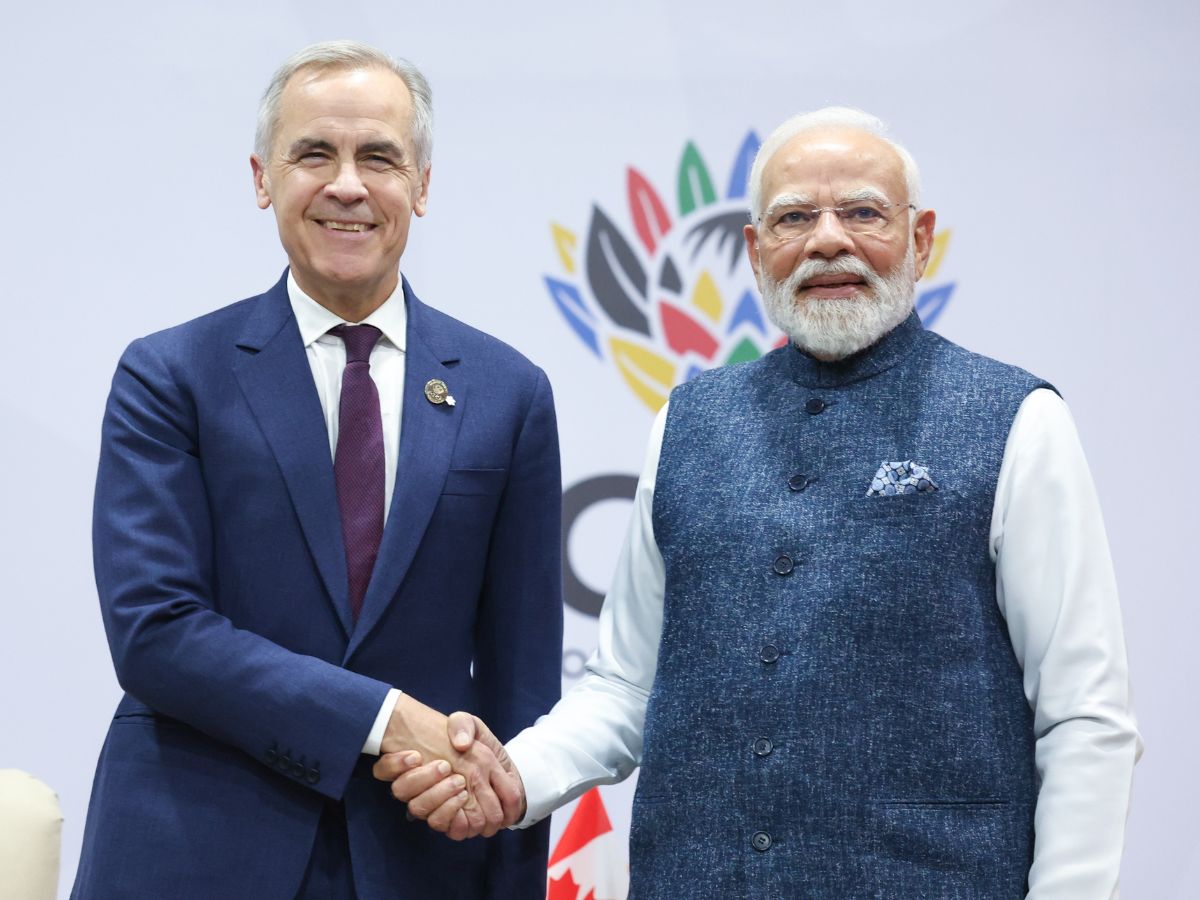
India and Canada have moved to reset and upgrade their bilateral relationship, setting an ambitious target of USD 50 billion trade by 2030. Prime Minister Narendra Modi and his Canadian counterpart Mark Carney met on the sidelines of the G20 Summit in Johannesburg, wherein the two leaders agreed to deepen cooperation across trade, technology, investment, defence, and space.
Modi noted that bilateral trade currently stands at around USD 30 billion and stated that both sides view strong potential for rapid expansion given the changed diplomatic climate.
What Did Modi and Carney Agree To?
The two countries agreed to restart negotiations on a Comprehensive Economic Partnership Agreement, or CEPA, which had stalled earlier because of diplomatic tensions. Both leaders called for a “high-ambition” framework that increases market access, supports manufacturers, and deepens commercial links between Indian industries and Canadian investors.
There was also a renewed push in technology and innovation. India, Australia, and Canada announced a trilateral technology and innovation partnership to enhance cooperation in emerging sectors such as artificial intelligence, nuclear energy research, supply-chain resilience, and critical technologies. The initiative is expected to strengthen coordination among the three countries in global technology governance.
There is also growing interest by Canadian pension funds in Indian companies, something Modi highlighted as a sign of long-term investor confidence.
Why are Defence and Space Cooperation back in focus?
Both leaders committed to unlocking deeper cooperation in defence and space areas that had been largely dormant in recent years. For that, the renewed emphasis is being placed on plans for joint research, satellite collaboration, and defence-industrial partnerships.
Also, the ACITI partnership, announced at the G20 Summit, is expected to promote shared development of advanced technologies relevant to national security, aerospace, and cyber capabilities.
What About Clean Energy and Critical Minerals?
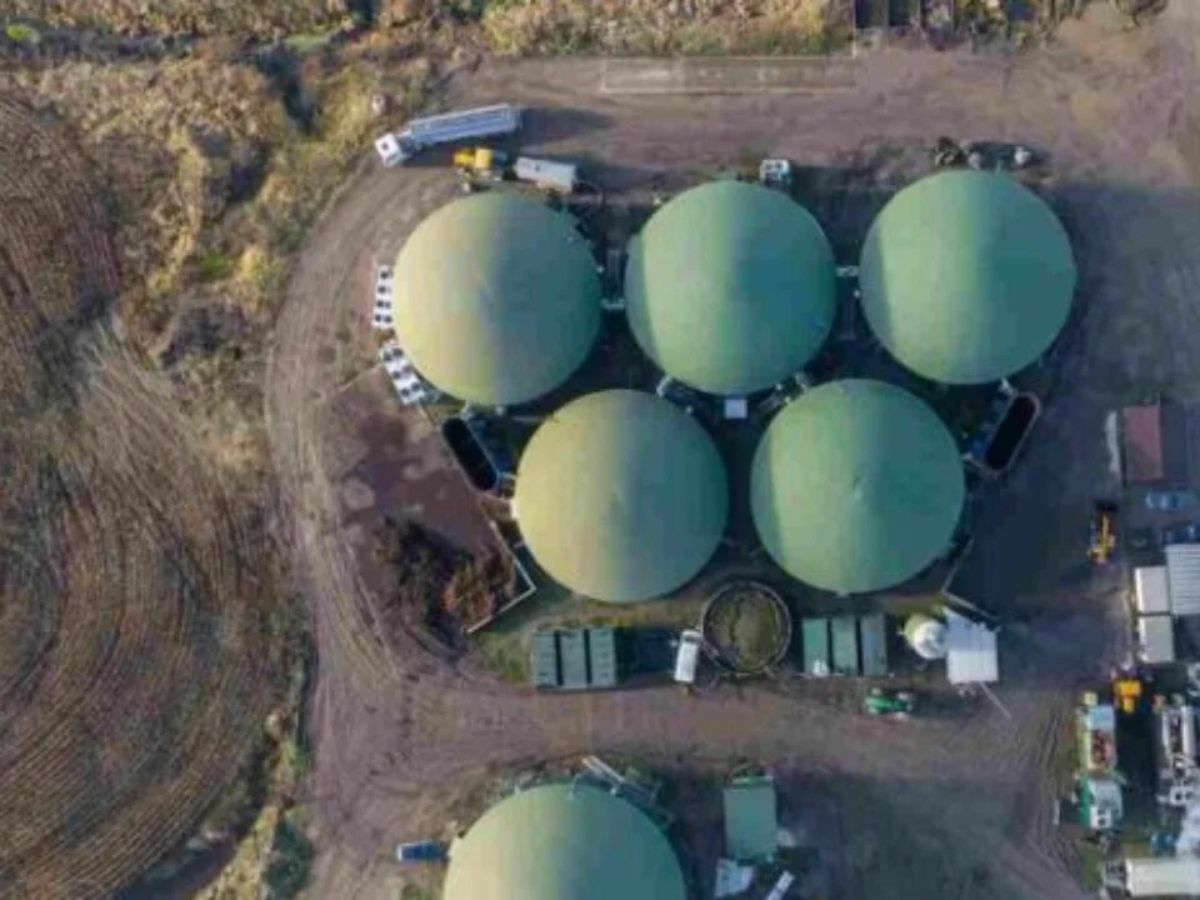
With global demand for cleaner sources of energy increasing, India and Canada agreed that cooperation in clean energy would be intensified, particularly in hydrogen, sustainable fuels, bioenergy and energy-efficient technologies.
The two governments are also pushing forward with plans for collaboration on critical minerals such as lithium, cobalt and rare earth elements key resources for semiconductors, batteries and modern defense systems.
A revival of the India-Canada Ministerial Energy Dialogue is planned to push this agenda further.
Are People-to-People Ties Getting a Boost?
Education and mobility were among the key talking points during the meeting. In higher education, research partnerships, tourism, and student exchanges, the leaders of the nations discussed ways to strengthen cooperation.
Plans to revive a joint working group on education, as well as discussions around Canadian institutions setting up overseas campuses in India, are a sign of new enthusiasm for long-term engagement.
A CEO Forum will also be reactivated to connect the top business leaders of both countries by early 2026.
Does This Signal a Turning Point in India–Canada Relations?
The Johannesburg meeting is being viewed as a significant reset after a tense phase in the relationship. By placing trade, technology, defence, and clean energy at the centre of cooperation, both governments have signalled a desire to go forward constructively.
If momentum holds especially on CEPA, critical minerals, and technology partnerships the goal of $50 billion in trade by 2030 could make the India-Canada relationship among the most dynamic economic partnerships of the decade.