
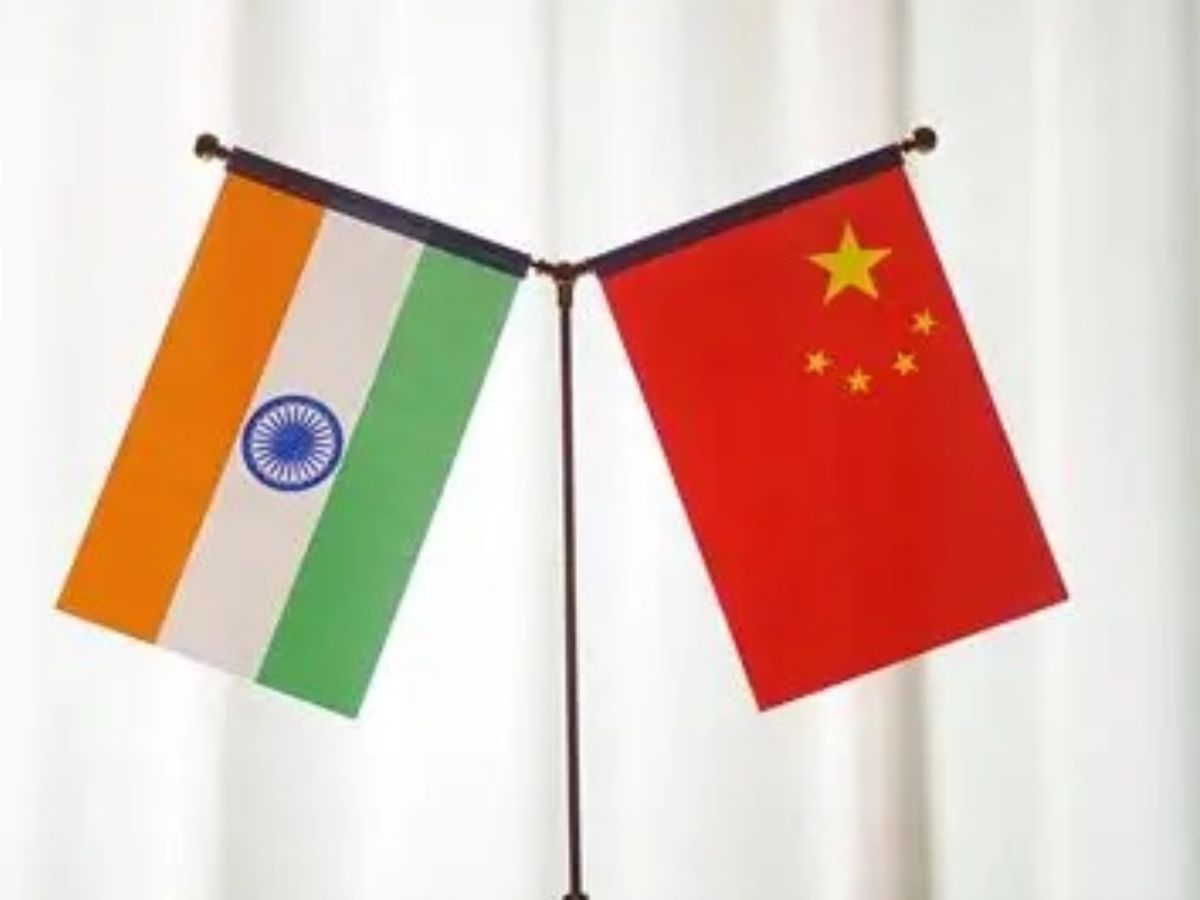
Prime Minister Narendra Modi’s recent trip to China for the Shanghai Cooperation Organisation (SCO) summit has been marked as a key moment in efforts to improve relations between the two neighbors. This was his first visit to the country in seven years, where he met Chinese President Xi Jinping in Tianjin. The meeting is being seen as an attempt by both governments to bring stability to ties that soured after the 2020 Galwan Valley clash. For India, the visit comes at a time when it is looking to counter the economic strain caused by U.S. tariffs by deepening ties with Asian partners. For China, this engagement provides a chance to present itself as a dependable ally in the region, even as its relations with the West face pressure.
Renewed Diplomatic Engagement
After years of limited contact, India and China are reopening several communication and cultural links. Direct flights have resumed, making travel easier for business professionals, students, and families. The Kailash Mansarovar Yatra, which had been suspended for years, has also restarted, reflecting an effort to build trust at the people-to-people level. Additionally, traditional border trade routes have been revived, benefiting communities living near the Line of Actual Control (LAC). These steps are being described as confidence-building measures aimed at creating a positive atmosphere before both countries take on more challenging issues like border disputes.
Efforts to Ease Border Tensions
On the military side, both nations are quietly working to reduce tensions along the LAC. Regular meetings through platforms like the Special Representatives’ dialogue and the Working Mechanism for Consultation and Coordination (WMCC) have kept communication channels open between the armies. Reports indicate that disengagement has already taken place at several sensitive points, including Demchok and Depsang, which were hotspots in recent years. Though some challenges remain, the progress suggests that both sides understand that prolonged instability on the border is harmful for both countries.
Also Read: Modi’s First China Visit In 7 Years Comes As US Tensions Rise And Russia-China Bond Deepens
Economic and Cultural Reconnect
Trade and investment are becoming important drivers in the renewed relationship. India is considering relaxing restrictions on Chinese foreign direct investment in sectors like technology and manufacturing, restrictions that were imposed after 2020. Traditional trade routes such as Nathu La and Lipulekh are reopening, once again allowing the flow of goods across the border. Both governments are also looking at easing visa rules and reviving student exchange programs. The return of direct flights is expected to encourage tourism, education, and business ties, reconnecting communities that were separated for years.
Strategic Balance and Global Impact
This revival of ties carries broader regional and global importance. For China, working with India helps send a message of stability and cooperation in Asia, especially while it faces strained relations with the United States and its allies. For India, renewing dialogue with China shows its effort to follow a more independent foreign policy, balancing its partnerships with the U.S. and Japan while keeping engagement with Beijing alive. However, caution remains on both sides. Deep-rooted mistrust still exists, particularly regarding border claims and strategic influence in the Indian Ocean and Indo-Pacific. The real challenge will be whether the current diplomatic gestures can lead to long-term peace and cooperation.
Also Read: What is Chandrayaan-5, and why is it crucial for India-Japan space ties?