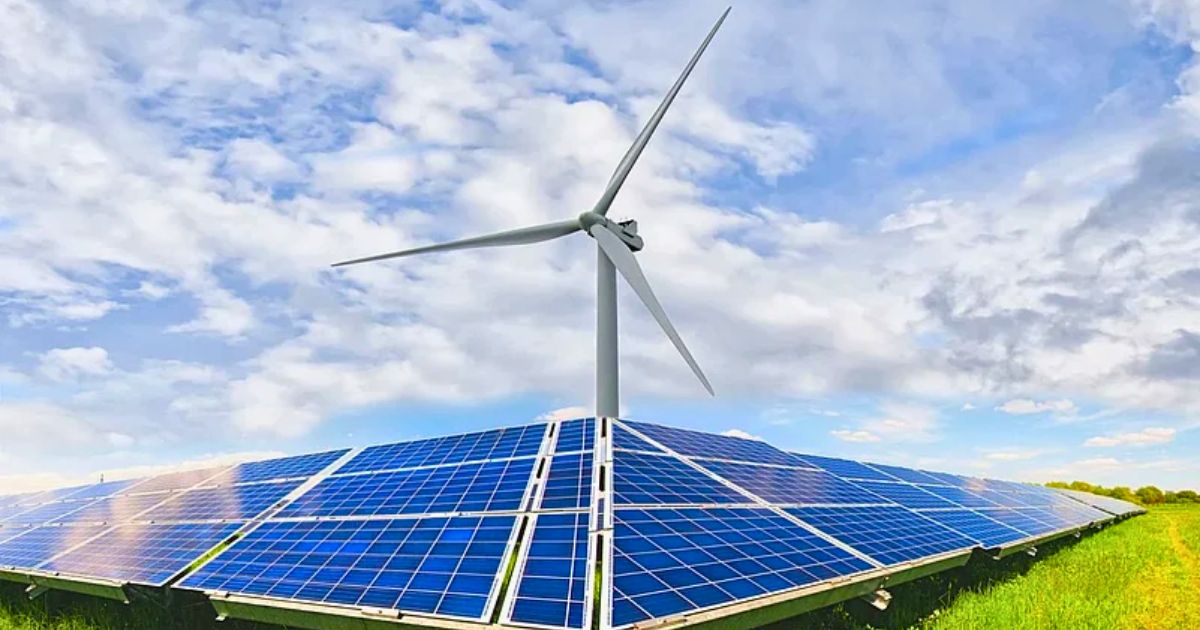
In a significant clean energy achievement, India has achieved its Paris Agreement goal of 50% non-fossil fuel power capacity five years earlier than planned. The Ministry of New and Renewable Energy on Tuesday said 242.8 gigawatts (GW) of India’s 484.8 GW installed power capacity is based on non-fossil fuel sources.
This comprises solar, wind, hydro, and nuclear power. The milestone is in sync with India’s Nationally Determined Contributions (NDCs) to the Paris Agreement. It is a sign of a fast-paced green transition driven by flagship government initiatives such as PM-KUSUM and PM Surya Ghar: Muft Bijli Yojana.
Government Announces the Milestone
The Ministry of Energy released an official statement celebrating the milestone. Based on the most recent data, renewable energy sources now account for precisely 50% of India’s installed electricity generation capacity. Of a total of 484.8 GW, 242.8 GW is accounted for by clean energy.
The ministry underscored India’s leadership in international climate action. It also cited 2024 electricity generation statistics: of 2,030 terawatt-hours (TWh) produced in that year, 240.5 TWh were through renewable means.
Energy Minister Commends the Record
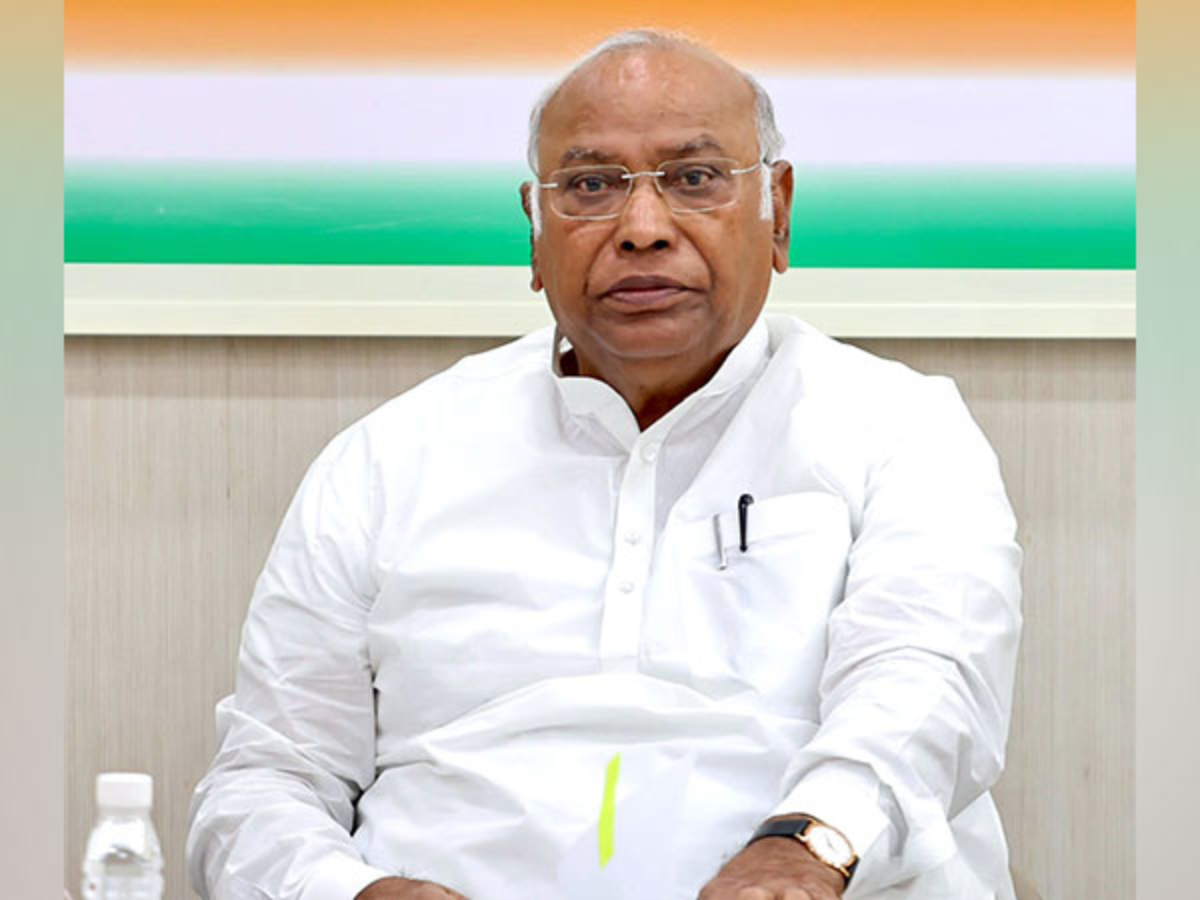
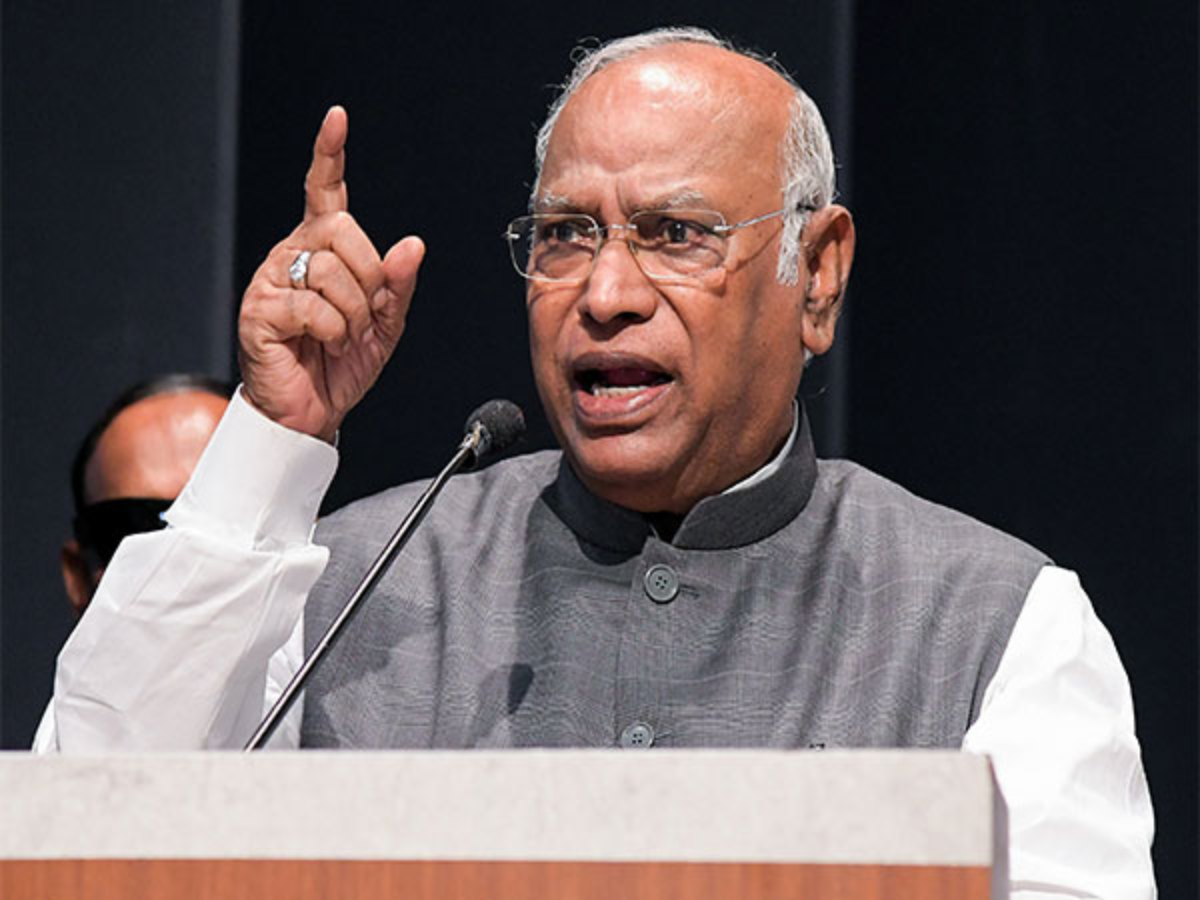
Union Energy Minister Pralhad Joshi called the moment historic. “In a world seeking climate solutions, India is showing the way,” he said. Joshi credited PM Narendra Modi’s leadership for driving the country’s green shift.
In a world seeking climate solutions, India is showing the way.
Achieving 50% non-fossil fuel capacity five years ahead of the 2030 target is a proud moment for every Indian.
Hon’ble PM Shri @narendramodi ji’s leadership continues to drive Bharat’s green transformation — paving… pic.twitter.com/ydzWErWQNC
— Pralhad Joshi (@JoshiPralhad) July 14, 2025
He also noted the role of sustainable development in building a self-reliant Bharat.
Flagship Schemes Drove the Transition
India’s success with clean energy was not an overnight phenomenon. The path was cleared by programs like PM-KUSUM, solar parks, wind-solar hybrid laws, and the Surya Ghar rooftop plan.
For hundreds of thousands of farmers, solar pumps were installed as part of the PM-KUSUM (Pradhan Mantri Kisan Urja Suraksha Utthaan Mahabhiyan) program. This improved energy security in farming and reduced their dependency on grid power.
However, a key factor in decentralizing solar power was the PM Surya Ghar: Muft Bijli Yojana, which was launched in 2024. Its objective is to equip one crore households with rooftop solar panels. The program has contributed to the development of a more inclusive clean energy system by providing incentives for individuals to generate their electricity.
Global Climate Leader Emerges
India’s early achievements send a powerful message to the rest of the world. While developed nations struggle with energy transitions, India has demonstrated that sustainability, speed, and scale can coexist. The 50% milestone is not a statistic rather, it is a step toward long-term ecological balance, energy independence, and climate justice.
With five years left before the 2030 deadline, India’s clean energy journey now enters a new chapter of increasing impact and global leadership.